North Korea Fires Multiple Ballistic Missiles Toward Sea in Latest Military Escalation
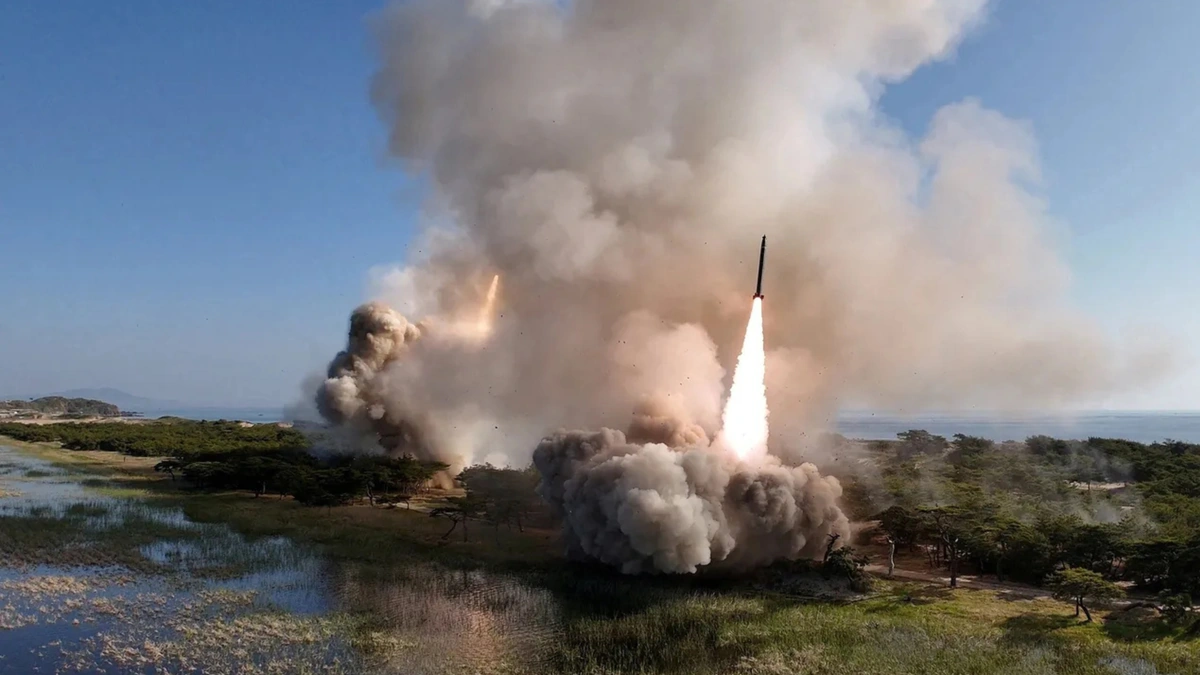
Pyongyang conducts its seventh missile launch of 2026 as regional tensions rise and global powers monitor developments
North Korea has fired multiple ballistic missiles into waters off its east coast, according to statements from South Korea and Japan, marking a fresh escalation in regional military activity.
The latest launch is the seventh ballistic missile test conducted by North Korea this year and the fourth recorded in April alone, highlighting an intensified pace in its weapons testing programme.
South Korea’s military said the missiles were launched near the coastal city of Sinpo at approximately 6:10 am. Japan also reported the incident, stating that the projectiles are believed to have landed in the sea off the Korean Peninsula without entering Japan’s exclusive economic zone.
Following the launch, South Korea’s presidential office reportedly convened an emergency security meeting as officials assessed the situation and potential security implications in the region.
Military analysts suggest the timing of the tests may be strategically linked to global geopolitical developments. One expert noted that international focus on other conflicts could provide North Korea with what it views as a “window of opportunity” to advance its missile and nuclear capabilities.
The missile launches come despite United Nations Security Council resolutions prohibiting ballistic missile activity by Pyongyang. However, North Korea has repeatedly rejected these restrictions, arguing that its weapons programme is necessary for national self-defence.
The latest developments also come amid rising international concern over North Korea’s nuclear capabilities. Reports from global monitoring agencies have suggested continued progress in its uranium enrichment programme, raising further alarm among regional powers.
North Korean leader Kim Jong Un has previously stated that the country’s nuclear status is irreversible and that strengthening its deterrence capability is essential for national security.
The situation continues to draw attention from major global players, including the United States, China, South Korea, and Japan, as diplomatic and security tensions in the region remain high.
Related News





You may like




Tom Holland Says Marvel Has a Plan for the Next Spider-Man
August 1, 2026
Elected News
-

Bangladesh Seeks UN Women Support on Digital Harassment and Women’s Empowerment
-

Bangladesh, Australia Discuss Human Trafficking, Irregular Migration and Rohingya Crisis
-

Bangladesh Plans Internet-Free Access to Mobile Banking and Financial Apps
-

DU to Open Undergraduate Admission Applications on 11 November, Tests Begin 5 December


