How Mohammed bin Salman Became Powerful in Saudi Arabia?
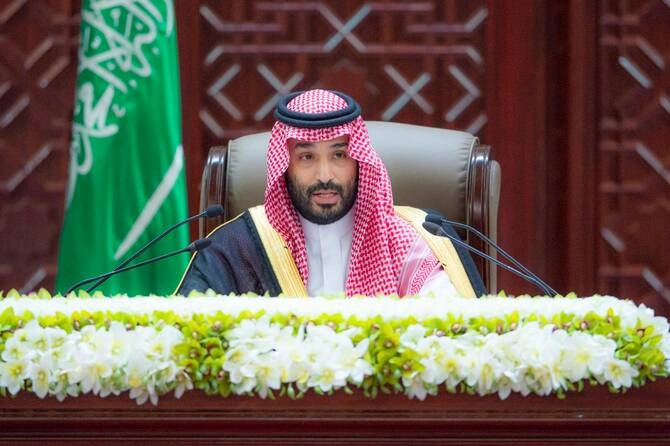
After King Abdullah’s death, Salman bin Abdulaziz became the king of Saudi Arabia. He initially appointed Prince Muqrin bin Abdulaziz (age ~68) as Crown Prince. Three months later, King Salman removed Muqrin and named Prince Mohammed bin Nayef, then about 55 years old, as the new Crown Prince. At the same time, he appointed his son, Mohammed bin Salman, age 29, as Deputy Crown Prince and Defense Minister.
About nine years ago, when all these events were unfolding one after another, no one in Saudi politics had ever heard much about Mohammed bin Salman. His name barely appeared; very few people knew anything about him.
Meanwhile, Mohammed bin Nayef was highly praised by the U.S. administration. He had taken FBI‑courses and had received training from Scotland Yard in counter‑terrorism tactics.
In August 2009, there was a failed assassination attempt on him via a suicide bomb attack. Al-Qaeda was held responsible.
“Guard at the King’s Door”
Mohammed bin Salman (often called MBS) is well known now. Author David B. Ottaway, in his writings, states that once MBS became Defence Minister, he started acting like the King’s gatekeeper, using his position to keep an eye on his father.
Various reports say that MBS quickly isolated King Salman from his family and close friends. Some even say the King was prevented from seeing his wife, who is MBS’s mother.
According to Ottaway, MBS confined his mother and two sisters, and did so with such precision that the King apparently wasn’t even aware of what was happening. When the King asked about his wife, he was told she had been sent abroad for medical treatment.
Yemen Attack
As Defence Minister, MBS quickly began exercising influence. Under his supervision, on 26 March (year not always consistently cited), the Saudi Air Force carried out an operation to try to free Yemen’s capital, Sanaa, from Houthi rebels.
Initially, many Saudis welcomed the move, believing it demonstrated courage and a willingness to counter what they viewed as Iranian expansionism.
However, in time the Yemen war became problematic. It came to be seen as an example of some of the foreign policy miscalculations under MBS.
Removal of Mohammed bin Nayef
Shortly thereafter, King Salman decided to remove Mohammed bin Nayef as Crown Prince and replaced him with Mohammed bin Salman. On June 20, 2017, late at night, several senior royals gathered in Mecca. A meeting of the political and security council was supposed to be chaired by Mohammed bin Nayef. But a short time before the meeting, bin Nayef was summoned to the king, and taken to a separate room. His phones and those of his guards were taken. He was pressured to resign the Crown Prince position. With his health (he suffered from diabetes) and fatigue, he is said to have eventually acquiesced.
The Royal Council, which oversees succession, voted: out of 34 members, 31 supported the decision to replace Nayef with MBS.
That night and the next morning, a video was circulated showing Nayef pledging allegiance to MBS, reportedly in a subdued tone. Later, after returning to his palace in Jeddah, he was placed under house arrest.
Related News
You may like




Tom Holland Says Marvel Has a Plan for the Next Spider-Man
August 1, 2026
Elected News
-

Bangladesh Seeks UN Women Support on Digital Harassment and Women’s Empowerment
-

Bangladesh, Australia Discuss Human Trafficking, Irregular Migration and Rohingya Crisis
-

Bangladesh Plans Internet-Free Access to Mobile Banking and Financial Apps
-

DU to Open Undergraduate Admission Applications on 11 November, Tests Begin 5 December


