SpaceX Warns Space Based AI Data Centers Face Commercial Viability Risks
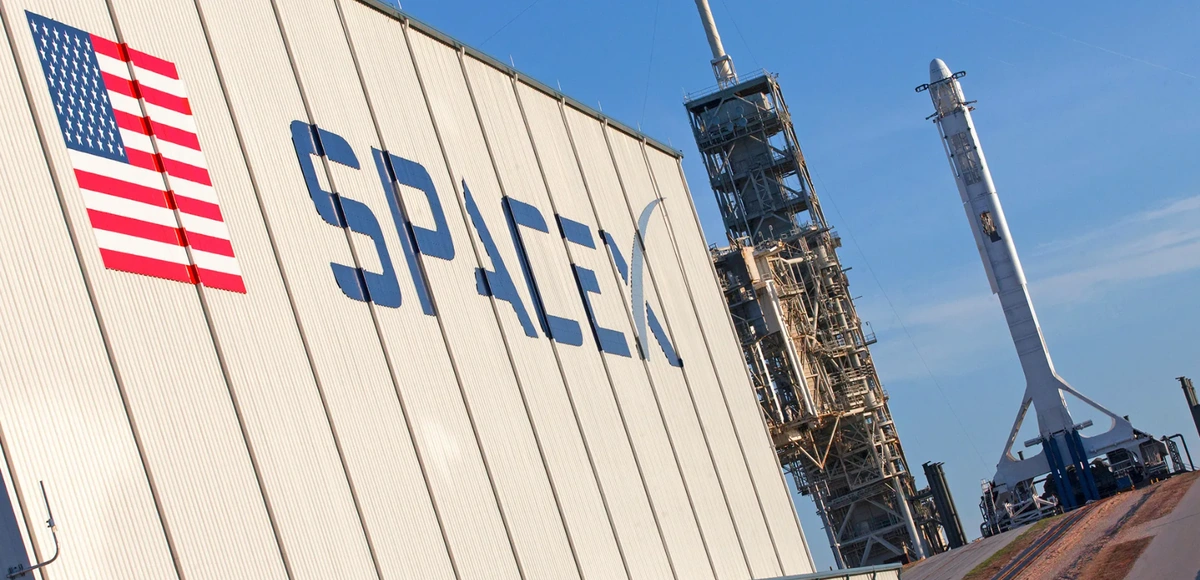
SpaceX has warned investors that its plans to build artificial intelligence data centers in space, along with future industrial projects on the Moon and Mars, depend on technologies that are still unproven and may never become commercially viable. The warning appeared in a pre-IPO filing as the company prepares for a possible public listing.
The filing presents a more cautious picture than the public vision promoted by Chief Executive Elon Musk, who has argued that space based AI infrastructure could become a cheaper and more scalable option for future computing needs. SpaceX said the projects remain in early stages and involve major technical complexity.
The company also warned that orbital AI data centers would have to operate in the harsh and unpredictable environment of space, where radiation, debris, temperature swings and technical failures could damage or disrupt systems. Any failure to make those systems reliable would weaken the business case for building large scale computing infrastructure beyond Earth.
SpaceX is also heavily dependent on Starship, its next generation reusable rocket, to support its long term expansion plans. The company said delays or failures in scaling Starship’s launch cadence, reusability and payload capability could limit its ability to execute its growth strategy.
The filing comes as SpaceX moves toward what could become one of the largest public offerings in market history. Reports say the company is targeting a valuation of about $1.75 trillion and aims to raise around $75 billion, with proceeds expected to support Starship, Starlink, AI infrastructure and deeper space ambitions.
While SpaceX remains one of the most dominant companies in the global launch and satellite internet markets, the filing shows that its most ambitious future businesses still carry major execution risks. For investors, the key question is whether the company can turn Musk’s long term space and AI vision into a profitable commercial model.
The company also warned that orbital AI data centers would have to operate in the harsh and unpredictable environment of space, where radiation, debris, temperature swings and technical failures could damage or disrupt systems. Any failure to make those systems reliable would weaken the business case for building large scale computing infrastructure beyond Earth.
SpaceX is also heavily dependent on Starship, its next generation reusable rocket, to support its long term expansion plans. The company said delays or failures in scaling Starship’s launch cadence, reusability and payload capability could limit its ability to execute its growth strategy.
The filing comes as SpaceX moves toward what could become one of the largest public offerings in market history. Reports say the company is targeting a valuation of about $1.75 trillion and aims to raise around $75 billion, with proceeds expected to support Starship, Starlink, AI infrastructure and deeper space ambitions.
While SpaceX remains one of the most dominant companies in the global launch and satellite internet markets, the filing shows that its most ambitious future businesses still carry major execution risks. For investors, the key question is whether the company can turn Musk’s long term space and AI vision into a profitable commercial model.
Related News




You may like



Tom Holland Says Marvel Has a Plan for the Next Spider-Man
August 1, 2026
Elected News
-
Bangladesh Seeks UN Women Support on Digital Harassment and Women’s Empowerment
-
Bangladesh, Australia Discuss Human Trafficking, Irregular Migration and Rohingya Crisis
-
Bangladesh Plans Internet-Free Access to Mobile Banking and Financial Apps
-
DU to Open Undergraduate Admission Applications on 11 November, Tests Begin 5 December


