India Turns to Diplomacy With Iran to Ease Hormuz Passage for Its Ships
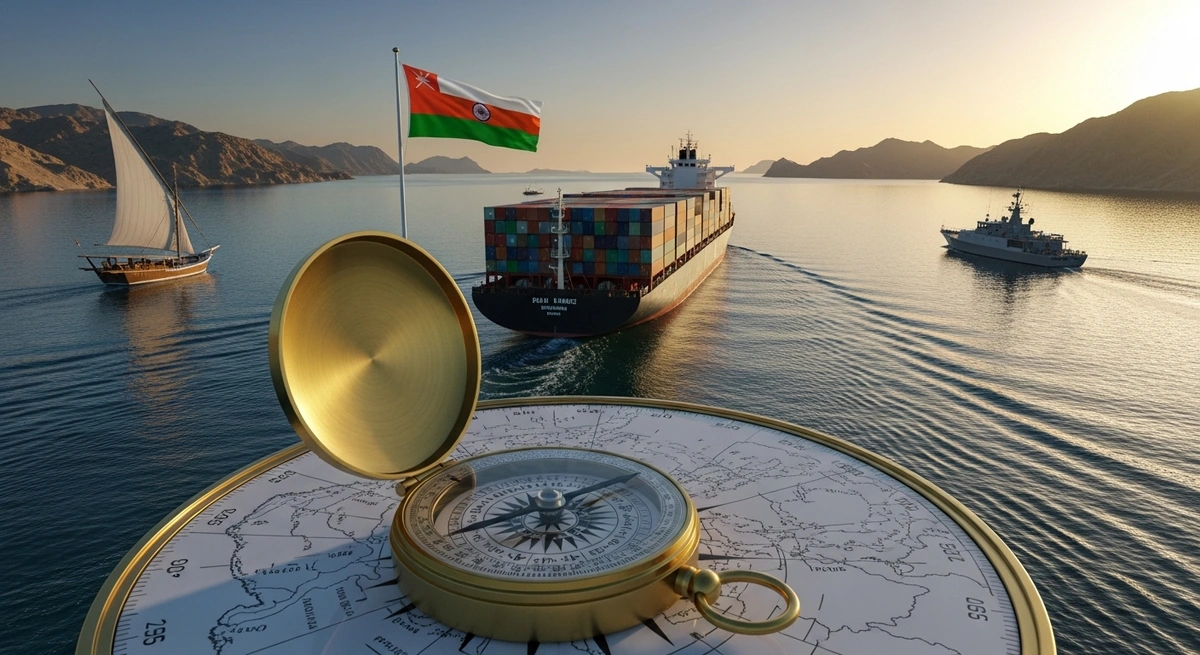
India is stepping up diplomatic engagement with Iran in an effort to ease shipping disruptions in the Strait of Hormuz, as the worsening conflict in the Middle East continues to threaten one of the world’s most critical energy routes. External Affairs Minister S. Jaishankar said talks with Tehran had already produced some results, after two Indian flagged gas tankers were allowed to pass through the strait following discussions between the two sides.
Jaishankar told the Financial Times there was no blanket arrangement for all Indian vessels, but said India would continue diplomatic outreach as long as it helped secure movement for its ships. Reuters, citing the Financial Times, reported that about 22 Indian flagged vessels were still waiting for clearance in the region even after the two tankers crossed.
The Strait of Hormuz has become a major pressure point since the war expanded after the United States and Israel launched strikes on Iran on February 28. Iran has since sharply restricted shipping through the narrow waterway, disrupting global energy flows and pushing oil prices higher. Reuters and AP both reported that around one fifth of the world’s oil moves through Hormuz, making any prolonged disruption a global economic risk.
The route is especially important for India. Reuters reported earlier this week that about 40 percent to 50 percent of India’s crude imports move through Hormuz, along with roughly half of its liquefied natural gas imports and most of its liquefied petroleum gas shipments. That dependence has already created strain at home, with India facing a cooking gas squeeze after the disruption.
India’s approach stands out because it is relying on diplomacy rather than military deployment. Jaishankar said dialogue and coordination offered a better path than escalation, while stressing that India’s discussions with Iran were based on their own bilateral ties and not on any barter or exchange arrangement. The Financial Times reported that New Delhi believes its longstanding relationship with Tehran has helped open channels others do not easily have.
India is also navigating a delicate balancing act. The country maintains close relations with Israel and has expanded strategic cooperation with the United States, but it also has longstanding political and economic ties with Iran. That position has allowed New Delhi to present itself as a practical diplomatic actor at a time when other governments are also exploring non military solutions to reopen the route. Reuters reported that France and Italy are looking at diplomatic options, while EU foreign policy chief Kaja Kallas has floated a broader international mechanism to restore passage through Hormuz.
At the same time, Washington is pressing allies to take a harder line. Reuters reported that President Donald Trump has urged several countries, including China, Britain, France, Japan and South Korea, to help reopen the strait, including through naval support. But some key countries have shown little appetite for joining a military mission. Japan said it is not planning an escort mission, while Australia has also said it has no current plans to send ships.
For India, the immediate goal is narrower and more urgent, keeping fuel and gas shipments moving without being drawn deeper into the conflict. The safe passage of two tankers has offered some relief, but with many more vessels still waiting and no broad guarantee in place, New Delhi’s diplomatic effort remains a work in progress.
Related News



You may like




Tom Holland Says Marvel Has a Plan for the Next Spider-Man
August 1, 2026
Elected News
-
Bangladesh Seeks UN Women Support on Digital Harassment and Women’s Empowerment
-
Bangladesh, Australia Discuss Human Trafficking, Irregular Migration and Rohingya Crisis
-
Bangladesh Plans Internet-Free Access to Mobile Banking and Financial Apps
-
DU to Open Undergraduate Admission Applications on 11 November, Tests Begin 5 December


