Iran Can Sustain Oil Export Halt for Up to Two Months Amid U.S. Blockade, Analysts Say
The Chronify
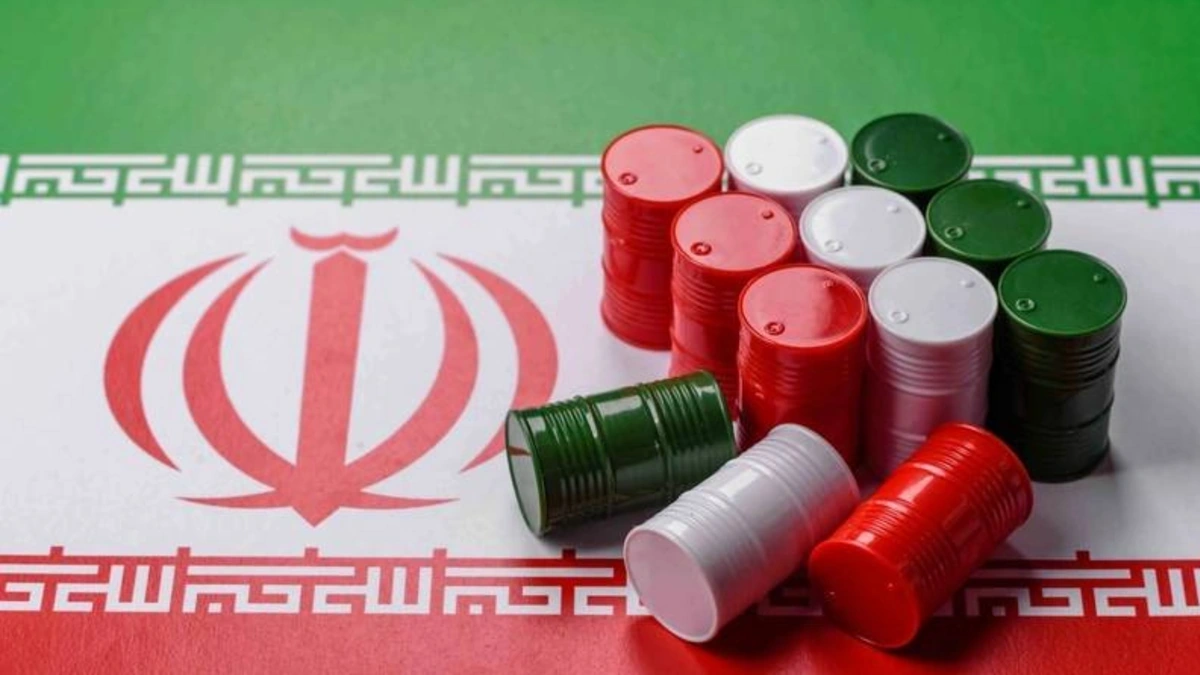
Analysts estimate Iran may withstand a temporary halt in oil exports for several weeks to two months, as U.S. maritime restrictions disrupt shipping through key Gulf routes. However, prolonged blockade pressure could eventually force production cuts and tighten global energy markets.
LONDON - Iran could continue oil production for up to two months even if its exports are completely blocked, before being forced to reduce output, according to energy analysts cited in recent market assessments.
The estimate comes after the United States began restricting maritime traffic linked to Iranian ports on April 13, disrupting crude shipments through the Strait of Hormuz, one of the world’s most critical oil transit chokepoints.
Analysts say the blockade could prevent around 2 million barrels per day of Iranian crude from reaching international buyers, particularly China, placing additional strain on global supply chains already affected by regional instability.
Research consultancy FGE NextantECA estimates Iran has roughly 90 million barrels of usable onshore storage capacity, allowing it to temporarily store unsold crude and maintain production at current levels of about 3.5 million barrels per day for up to two months. The firm suggests output could continue slightly longer if modest production cuts are introduced.
However, other energy analysts argue the buffer may be significantly smaller. Energy Aspects estimates usable storage closer to 30 million barrels, which could force production reductions within roughly two weeks if exports remain blocked at current levels.
Experts also note that Iran’s domestic refineries consume around 2 million barrels of crude per day, providing partial internal demand that could delay the immediate impact of export disruptions. Additional flexibility may come from using oil tankers as floating storage, temporarily absorbing surplus crude.
Despite these buffers, analysts warn that prolonged restrictions would eventually overwhelm storage capacity, forcing Iran to scale back production. They add that the timing of any output cuts will depend heavily on how long maritime enforcement continues and whether alternative export routes can be sustained.
The disruption is already contributing to heightened volatility in global energy markets, with broader concerns that continued tensions around the Strait of Hormuz could further tighten supply and push prices higher.
Related News




📚 Categories
You may like



Elected News
-
BCB Honors Retired Pacer Rubel Hossain Ahead of New Zealand ODI
-
Bangladesh Seeks Iran’s Support for Safe Passage of Vessel Through Strait of Hormuz
-
Biman Introduces Tk 20,500 Dhaka–Jeddah Flights During Hajj Season
-
“Justice for Palestine” EU Initiative Surpasses 1 Million Signatures, Pushes Toward 1.5 Million Goal


