Scientists Explore Cancer Cell “Reprogramming” Approach in Early Research at KAIST
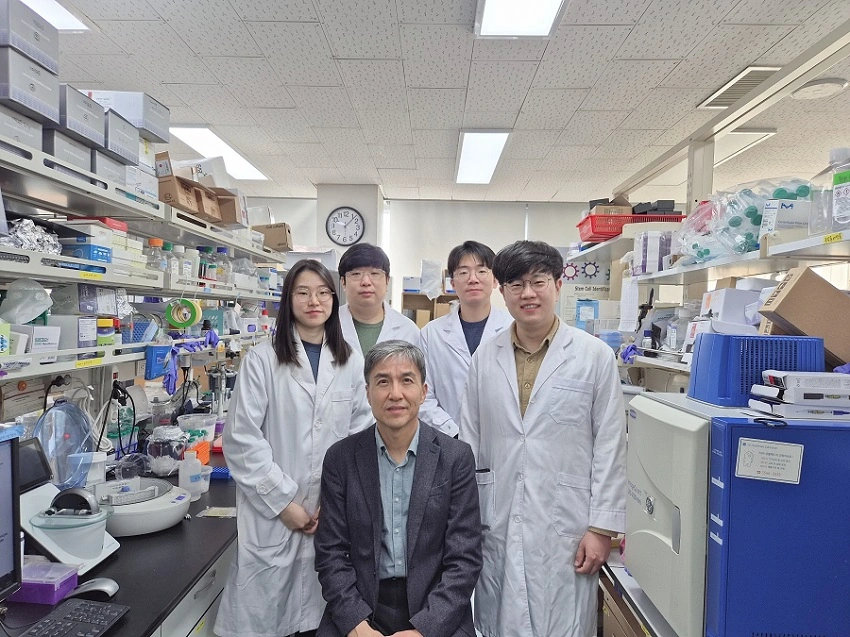
Korean researchers investigate a novel method that aims to convert cancer cells back into normal cells instead of destroying them
Scientists at KAIST in South Korea are developing an experimental approach to cancer treatment that focuses on reprogramming cancer cells rather than eliminating them.
The research is based on the idea that cancer cells are not entirely foreign to the body, but are originally normal cells that lose regulatory control and begin to grow uncontrollably.
Researchers describe the cell as functioning like a biological computer system, where a failure in regulatory “programming” can trigger abnormal cell division.
A key focus of the study is a protein known as SETDB1, which plays an important role in gene regulation. In laboratory experiments involving aggressive skin cancer cells, scientists found that suppressing this protein could help the cells regain characteristics similar to healthy, normal cells.
Instead of killing cancer cells, this method attempts to restore their original biological identity.
The researchers suggest this approach could potentially lead to more precise and less harmful treatments compared to conventional methods such as chemotherapy and radiation, which often damage healthy cells along with cancerous ones.
However, experts emphasize that the findings are still at an early experimental stage. Extensive further research and clinical trials will be required before any potential medical application in humans can be considered.
Despite its early status, the study is part of a growing global effort in cancer research aimed at understanding and controlling cellular identity, with the long-term goal of developing more targeted and biologically integrated therapies.
Related News

You may like



Tom Holland Says Marvel Has a Plan for the Next Spider-Man
August 1, 2026
Elected News
-
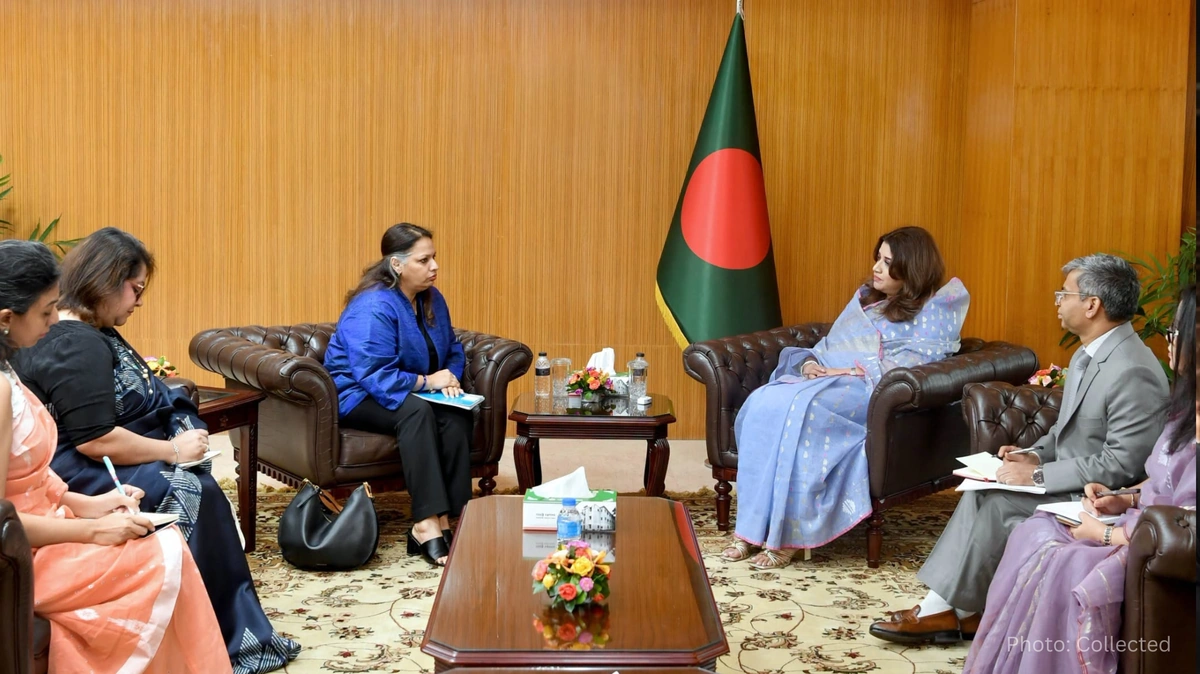
Bangladesh Seeks UN Women Support on Digital Harassment and Women’s Empowerment
-
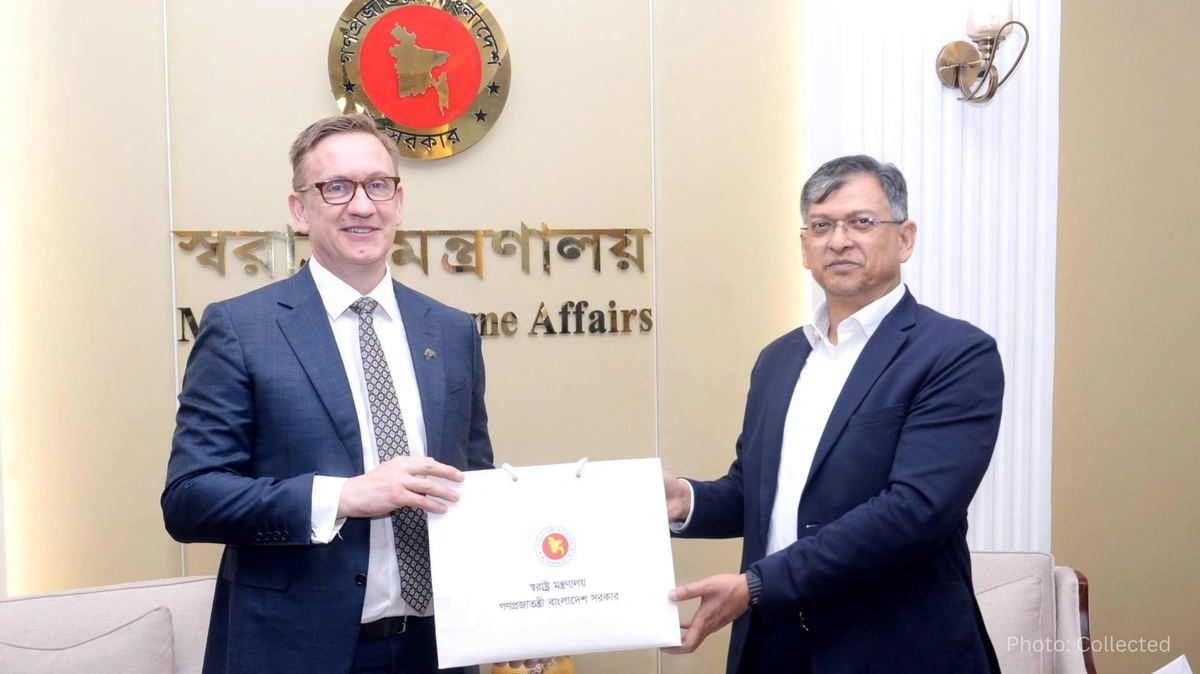
Bangladesh, Australia Discuss Human Trafficking, Irregular Migration and Rohingya Crisis
-
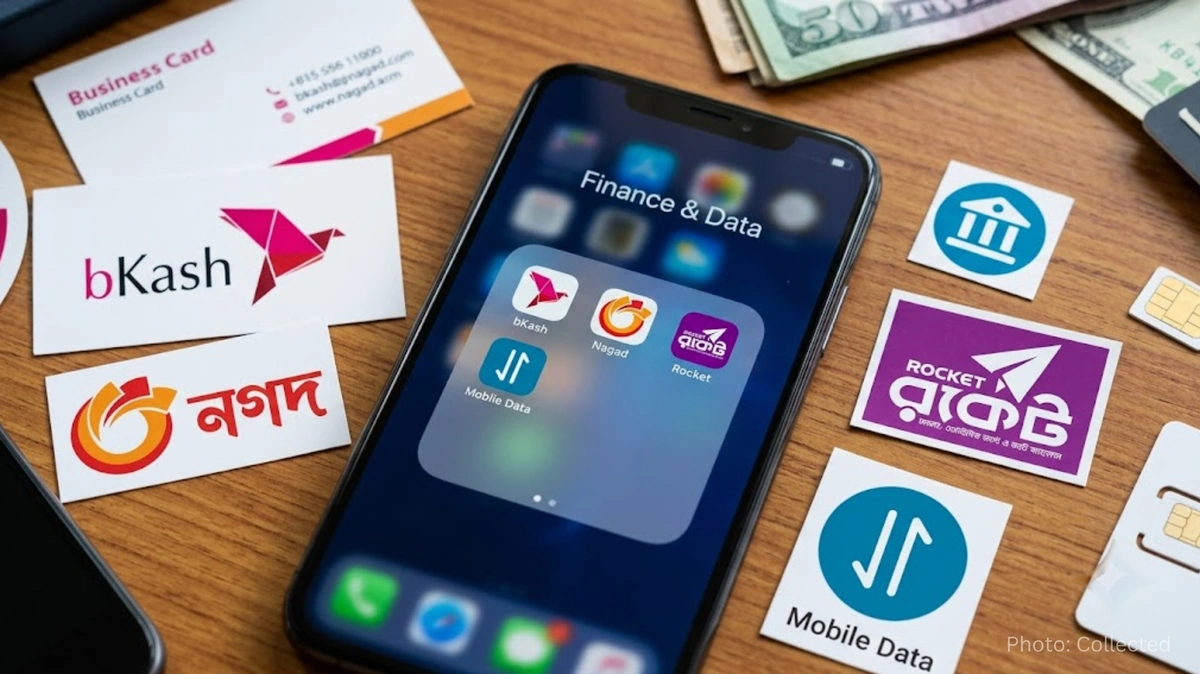
Bangladesh Plans Internet-Free Access to Mobile Banking and Financial Apps
-
DU to Open Undergraduate Admission Applications on 11 November, Tests Begin 5 December


