Israeli Strikes Hit Beirut and Southern Lebanon as Displacement Tops One Million
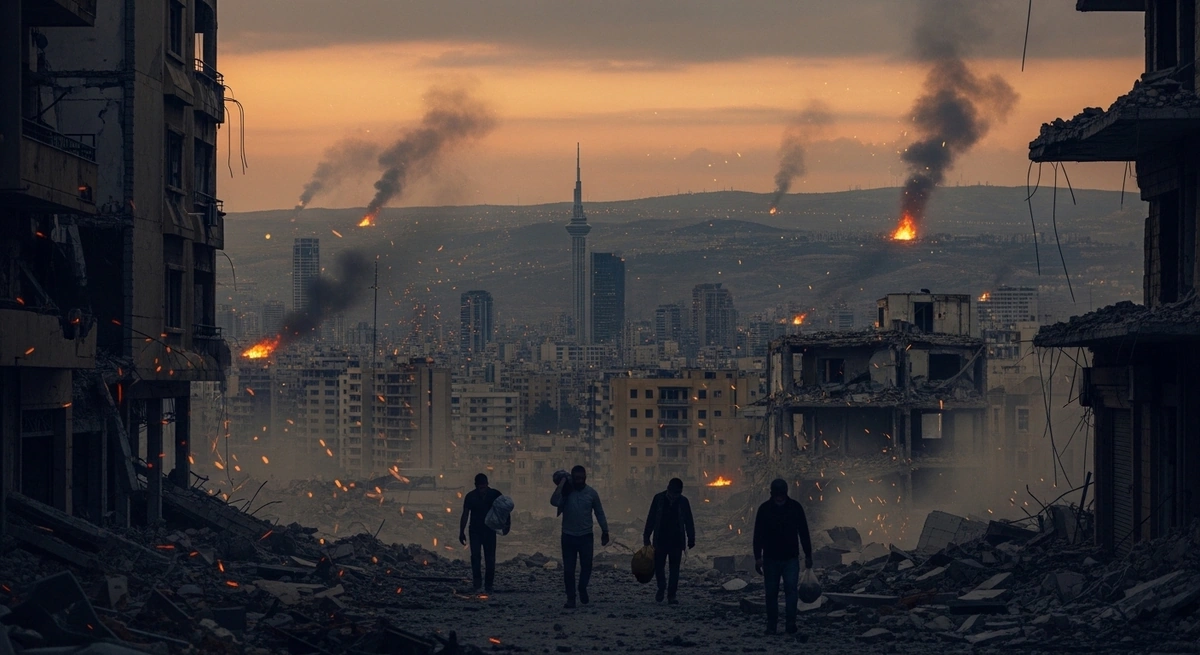
Israeli air strikes hit multiple areas in and around Beirut and southern Lebanon on Tuesday, as the conflict with Hezbollah deepened and the humanitarian toll climbed sharply. Lebanese authorities say more than one million people have now been displaced since the latest escalation began on March 2, while the death toll has risen to more than 880.
Lebanon’s state media said Israeli warplanes struck the Kafaat and Haret Hreik areas of Beirut and also targeted a residential building in Aramoun, south of the capital. Israel said it was targeting Hezbollah positions. Reuters reported earlier this week that Israeli strikes had already expanded into central Beirut, including areas near key government institutions, signaling a broader and more sustained campaign.
The latest attacks came alongside renewed strikes across southern Lebanon. Reuters and other outlets reported that Israel has widened evacuation orders far beyond the immediate border zone, telling residents across large parts of the south to leave. Israeli Defence Minister Israel Katz has also warned that displaced Lebanese would not be allowed to return to areas south of the Litani River until security conditions for northern Israel are met.
The displacement crisis is now among the worst in Lebanon’s recent history. Reuters reported on March 16 that more than one million people had been uprooted, with around 130,000 staying in collective shelters. AP and The Washington Post separately reported that the speed of the mass movement has overwhelmed shelters, schools and aid networks, leaving many families without stable housing.
The military escalation has also raised fears of a prolonged ground campaign. Reuters reported that Western governments including Canada, France, Germany, the United Kingdom and Italy warned against a major Israeli ground offensive, saying it could trigger devastating humanitarian consequences and prolong the conflict. The Wall Street Journal and The Guardian also described growing concern that Israel’s expanding operation in southern Lebanon could harden into a longer occupation style presence.
Hezbollah has continued firing rockets into Israel in response. Reuters and other coverage say the group’s attacks helped drive the escalation that began on March 2, after which Israel sharply intensified its air campaign and then expanded military operations on the ground. The result has been a rapidly worsening front in the wider regional war, with civilians in Lebanon bearing much of the cost.
The latest attacks came alongside renewed strikes across southern Lebanon. Reuters and other outlets reported that Israel has widened evacuation orders far beyond the immediate border zone, telling residents across large parts of the south to leave. Israeli Defence Minister Israel Katz has also warned that displaced Lebanese would not be allowed to return to areas south of the Litani River until security conditions for northern Israel are met.
The displacement crisis is now among the worst in Lebanon’s recent history. Reuters reported on March 16 that more than one million people had been uprooted, with around 130,000 staying in collective shelters. AP and The Washington Post separately reported that the speed of the mass movement has overwhelmed shelters, schools and aid networks, leaving many families without stable housing.
The military escalation has also raised fears of a prolonged ground campaign. Reuters reported that Western governments including Canada, France, Germany, the United Kingdom and Italy warned against a major Israeli ground offensive, saying it could trigger devastating humanitarian consequences and prolong the conflict. The Wall Street Journal and The Guardian also described growing concern that Israel’s expanding operation in southern Lebanon could harden into a longer occupation style presence.
Hezbollah has continued firing rockets into Israel in response. Reuters and other coverage say the group’s attacks helped drive the escalation that began on March 2, after which Israel sharply intensified its air campaign and then expanded military operations on the ground. The result has been a rapidly worsening front in the wider regional war, with civilians in Lebanon bearing much of the cost.
Related News





You may like




Tom Holland Says Marvel Has a Plan for the Next Spider-Man
August 1, 2026
Elected News
-
Bangladesh Seeks UN Women Support on Digital Harassment and Women’s Empowerment
-
Bangladesh, Australia Discuss Human Trafficking, Irregular Migration and Rohingya Crisis
-
Bangladesh Plans Internet-Free Access to Mobile Banking and Financial Apps
-
DU to Open Undergraduate Admission Applications on 11 November, Tests Begin 5 December


