Japan to Release Oil Reserves as U.S. Urges Allies to Buy American Energy
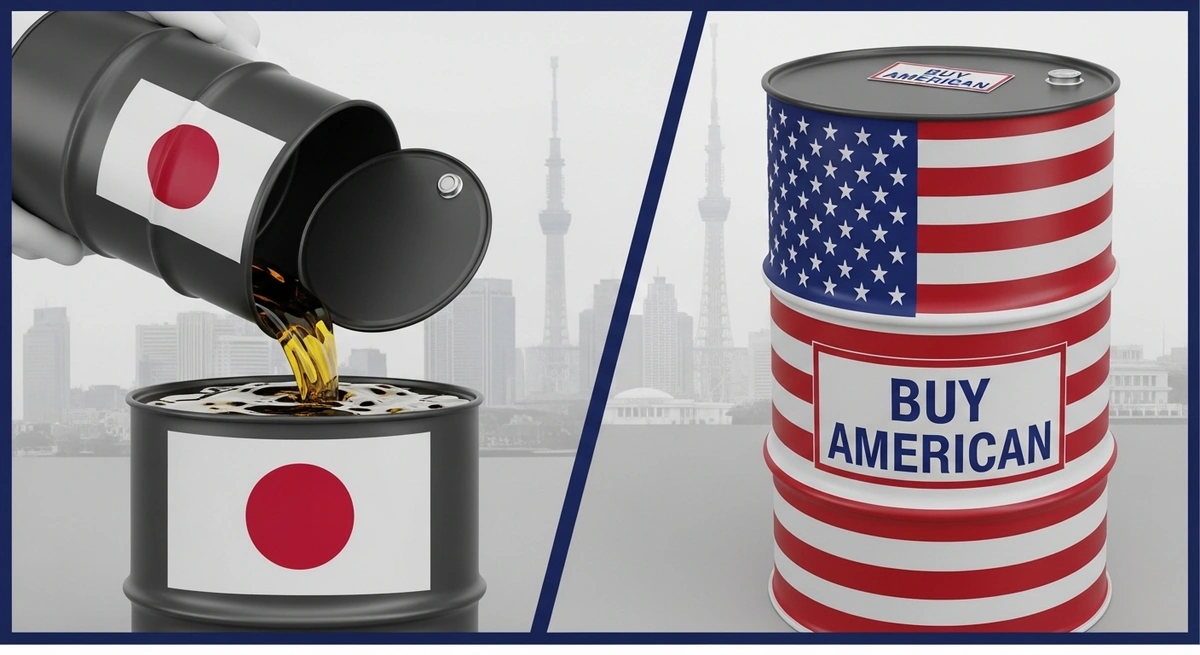
Japan will begin releasing oil from its emergency stockpiles on Monday as Tokyo moves to cushion the economic impact of supply disruptions linked to the U.S. and Israeli war on Iran. The planned drawdown comes as rising tension around the Strait of Hormuz pushes up fuel costs and revives concerns over energy security in one of the world’s most import dependent economies.
Tokyo has pledged to release a record 80 million barrels of oil, equal to about 45 days of supply, in an effort to stabilize the domestic market as gasoline prices rise. Reuters said the release will cut Japan’s national oil reserves by around 17 percent. Bloomberg separately reported earlier this week that Japan would sell crude from national reserves at pre war prices to ease pressure on refiners and consumers.
According to Reuters, Japan’s Ministry of Economy, Trade and Industry has instructed refiners to use the released crude to secure domestic supply. The first phase will involve about 15 days of privately held reserves starting Monday, followed later this month by another month’s worth from state stockpiles. Japan Times also reported that Japan’s contribution forms part of a wider 400 million barrel coordinated release by members of the International Energy Agency.
Japan built its reserve system after the oil shocks of the 1970s and now holds stockpiles equal to roughly 254 days of consumption, Reuters reported. Bloomberg noted earlier this week that the release reflects growing concern in Tokyo over whether existing reserves will be enough if disruption in the Middle East lasts longer than expected.
Japanese officials are also looking beyond the Gulf for replacement supplies. Reuters reported that Industry Minister Ryosei Akazawa is seeking more oil and gas from the United States, Central Asia, South America and Gulf producers with routes less exposed to the Strait of Hormuz. In a separate Reuters report, Akazawa also asked Australia to boost LNG output as the crisis tightened regional energy markets.
U.S. officials have used the moment to promote American energy exports. Reuters quoted EPA Administrator Lee Zeldin as saying Indo Pacific partners should look to the United States as a more secure source of supply.
According to Reuters, Japan’s Ministry of Economy, Trade and Industry has instructed refiners to use the released crude to secure domestic supply. The first phase will involve about 15 days of privately held reserves starting Monday, followed later this month by another month’s worth from state stockpiles. Japan Times also reported that Japan’s contribution forms part of a wider 400 million barrel coordinated release by members of the International Energy Agency.
Japan built its reserve system after the oil shocks of the 1970s and now holds stockpiles equal to roughly 254 days of consumption, Reuters reported. Bloomberg noted earlier this week that the release reflects growing concern in Tokyo over whether existing reserves will be enough if disruption in the Middle East lasts longer than expected.
Japanese officials are also looking beyond the Gulf for replacement supplies. Reuters reported that Industry Minister Ryosei Akazawa is seeking more oil and gas from the United States, Central Asia, South America and Gulf producers with routes less exposed to the Strait of Hormuz. In a separate Reuters report, Akazawa also asked Australia to boost LNG output as the crisis tightened regional energy markets.
U.S. officials have used the moment to promote American energy exports. Reuters quoted EPA Administrator Lee Zeldin as saying Indo Pacific partners should look to the United States as a more secure source of supply.
Related News




You may like




Tom Holland Says Marvel Has a Plan for the Next Spider-Man
August 1, 2026
Elected News
-
Bangladesh Seeks UN Women Support on Digital Harassment and Women’s Empowerment
-
Bangladesh, Australia Discuss Human Trafficking, Irregular Migration and Rohingya Crisis
-
Bangladesh Plans Internet-Free Access to Mobile Banking and Financial Apps
-
DU to Open Undergraduate Admission Applications on 11 November, Tests Begin 5 December


