Jute Goods Exports Show Signs of Recovery After Four-Year Slump
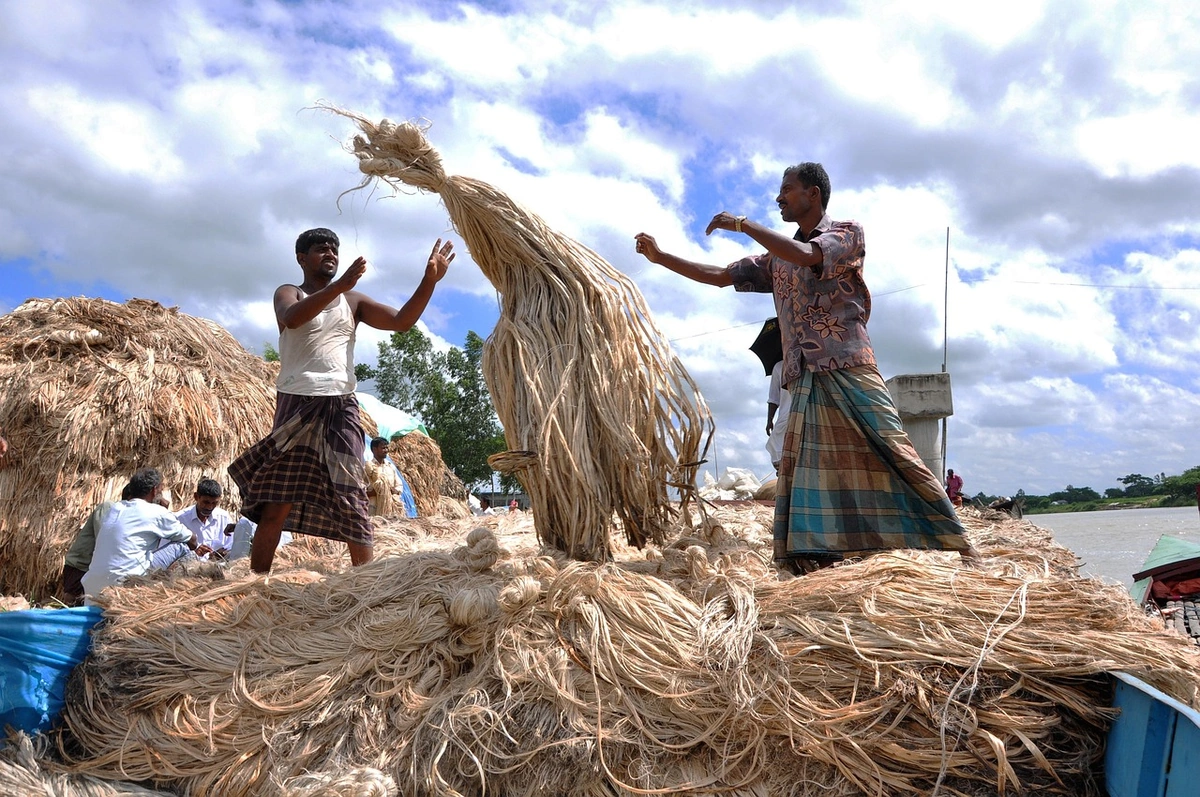
After a four-year decline, Bangladesh's jute goods exports have shown signs of recovery, with a 1.36% year-on-year growth during the July-November period of the fiscal year (FY) 2025-26, reaching $346 million, according to the Export Promotion Bureau.
This rebound has been largely driven by increased demand from Turkey, a key market for jute yarn, as well as factors like stable raw material prices and easing geopolitical tensions. The recovery is expected to help reverse the industry’s previous struggles, which saw a 4% decline in FY2024-25, following a historic high in FY2020-21.
Key players in the jute industry, including Tapash Pramanik, Chairman of the Bangladesh Jute Spinners Association (BJSA), expressed optimism, noting that orders from Turkey and other markets are on the rise.
The jute sector has suffered a 29% decline in exports from FY2021 to FY2025, due to competition from synthetic and regenerated cotton yarn, along with price hikes in locally grown raw jute. However, stable raw jute prices of Tk 4,200-Tk 4,300 per maund have improved prospects, aided by government-imposed export restrictions.
While Turkey remains a major buyer, other markets such as the European Union, the United Kingdom, and the US are also showing increased demand for a variety of jute goods, including potato bags, hessian bags, and decorative yarn.
Industry leaders are calling for further policy support, including low-cost loans and incentives, to facilitate growth and explore new markets. The continuation of this upward trend in exports is expected to further boost Bangladesh's jute sector.
Related News




You may like




Tom Holland Says Marvel Has a Plan for the Next Spider-Man
August 1, 2026
Elected News
-
Bangladesh Seeks UN Women Support on Digital Harassment and Women’s Empowerment
-
Bangladesh, Australia Discuss Human Trafficking, Irregular Migration and Rohingya Crisis
-

Bangladesh Plans Internet-Free Access to Mobile Banking and Financial Apps
-
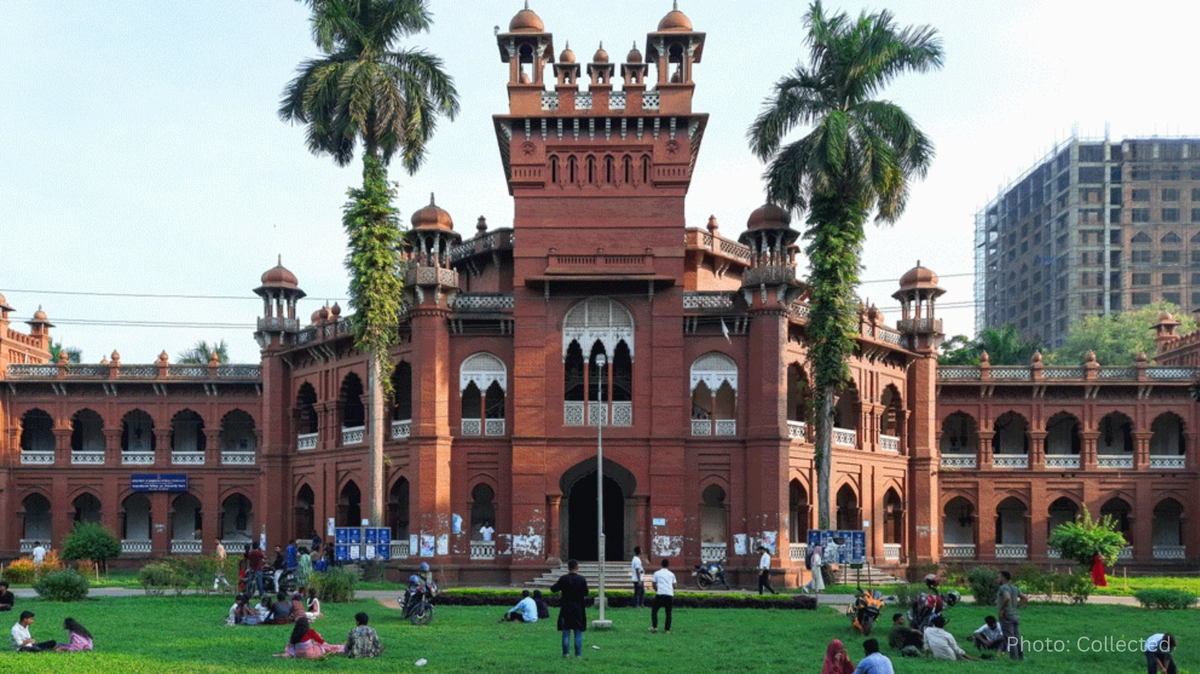
DU to Open Undergraduate Admission Applications on 11 November, Tests Begin 5 December


