Simon Stiell calls AI a double-edged sword at COP31
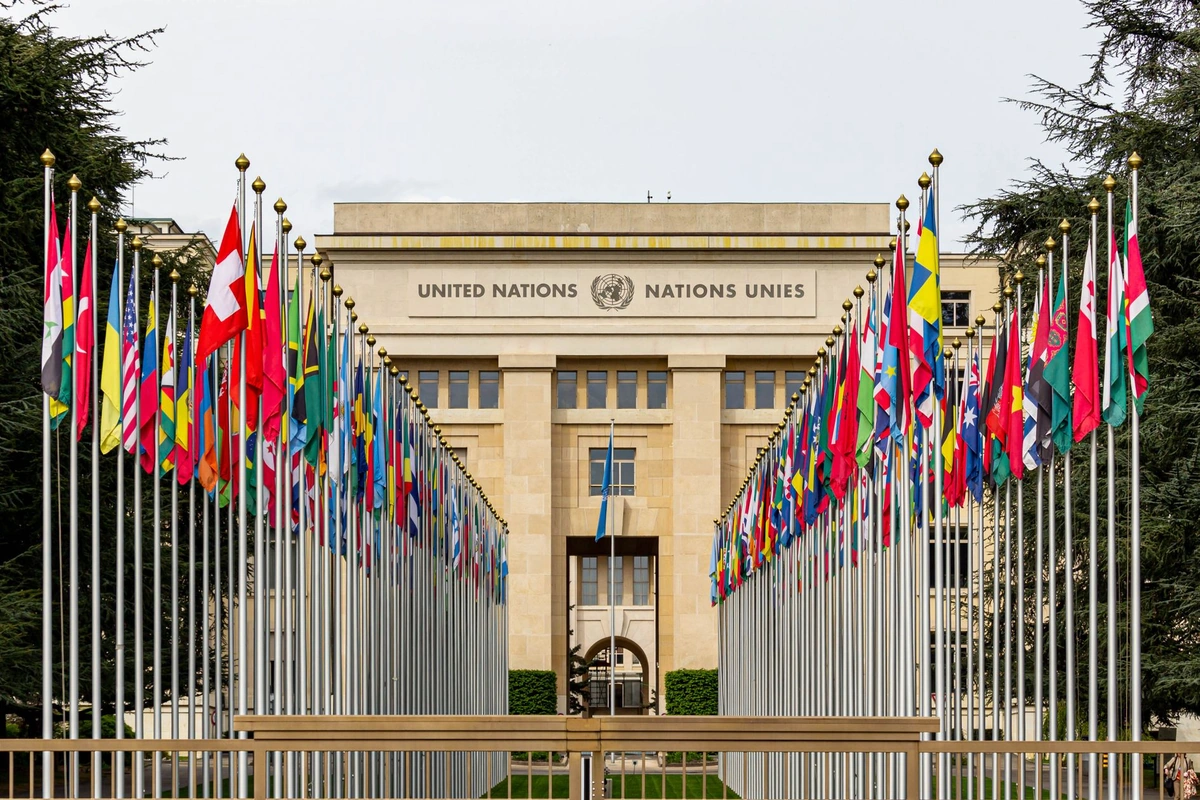
UN climate chief Simon Stiell described artificial intelligence as a 'double-edged sword' at COP31 in Turkey. The Antalya AI Pledge has gained 80 endorsements, though major powers and tech firms remain absent.
The United Nations climate chief Simon Stiell described artificial intelligence as a 'double-edged sword' with 'great potential and great peril' for the global fight against warming on Monday. His remarks came as the host nation, Turkey, launched the 'Antalya Artificial Intelligence Pledge' at the COP31 climate summit in Antalya.
The voluntary initiative aims to harness AI for climate solutions while assessing its expanding environmental risks. The pledge has secured 80 endorsements to date, although fewer than 10 nations are among the signatories, with the remainder being companies or civil society groups.
Stiell warned that the benefits of the technology must outweigh its growing costs. 'We cannot ask people to accept higher bills, more planet heating pollution and deeper inequality today in exchange for promises of a better tomorrow,' he said at the launch event.
AI is increasingly used in applications ranging from improving weather forecasts to monitoring industrial emissions and optimising renewable energy. However, the data centres powering these systems consume significant amounts of energy and water, causing rising utility bills and increasing carbon footprints in local communities.
UN Secretary-General Antonio Guterres previously urged AI companies to disclose their environmental impact and commit to powering all data centres with renewable energy by 2030. According to the International Energy Agency, 30 percent of electricity used by data centres comes from coal, 27 percent from renewables, 26 percent from natural gas, and 15 percent from nuclear.
A UN study found that data centres consumed more electricity than all but 10 countries in 2025. The same study indicated that their water consumption could meet the annual basic water needs of the entire population of sub-Saharan Africa by 2030.
In the United States, the most powerful data centres accounted for around two percent of electricity consumption and a carbon footprint comparable to a small European country over a one-year period, according to a study in the journal Nature Sustainability.
Only nine countries have formally endorsed the COP31 pledge so far. Germany stated it would sign, but the United States, China and the European Union are not on the list. Major AI developers including Nvidia, OpenAI and Anthropic have also not signed, although the World Business Council for Sustainable Development, which includes Amazon, Google and Meta, has.
Tomas Lamanauskas, deputy secretary-general of the UN's International Communication Union (ITU), which collaborated with Turkey on the pledge, said the launch was intended to build momentum. 'Eighty is not a limit,' Lamanauskas told AFP. 'I think it's about creating momentum... We'll be working with others to come on board as well.'
Mehmet Fatih Kacir, Turkey's Industry and Technology Minister, said the current backing 'demonstrates growing support for our shared ambition'. He emphasised the need to reduce AI's environmental footprint while using it to modernise industry and strengthen climate resilience.
Jill McArdle, a corporate campaigner at the nonprofit group Beyond Fossil Fuels, criticised the initiative. She called the pledge a 'distraction' with 'vague' promises, arguing it risks giving Big Tech a 'green stamp' without requiring them to address the real climate impacts of their infrastructure.
The launch occurred as COP31 entered its second and final week. Negotiators remain divided over finance, fossil fuels and adaptation, with ministers arriving ahead of the formal high-level segment. Australia, a co-host, circulated a first draft of the overarching decision, but the text remains a starting point for further negotiations.
Climate policy expert Soenke Kreft compared the talks to a football match heading into its second half, noting that much of the political work remains unfinished. 'It has been a somewhat slow first half,' he said. 'We really need to see a momentum swing for the second week.'
Disputes also persist over the scientific timetable, with countries divided on when the Intergovernmental Panel on Climate Change should publish its next major assessment. Vulnerable nations are pushing for the findings to be ready in 2028 to inform the second Global Stocktake under the Paris Agreement.
Laurence Tubiana, CEO of the European Climate Foundation, urged countries to defend science and ensure the IPCC's next assessment is delivered on time. Mary Robinson, former President of Ireland, echoed these concerns, stating that the world cannot afford to undermine the IPCC.
Activists have warned against allowing political declarations to distract from concrete climate action. A representative from Climate Action Network criticised proposals for a just transition mechanism, arguing they provide a voice for workers and communities without the necessary resources.
The ongoing negotiations highlight the tension between leveraging new technologies for climate goals and managing their immediate environmental costs. The Antalya pledge represents an attempt to formalise this balance, though its long-term impact remains to be seen as more nations and companies consider joining.
You may like

Bangladesh joins global aviation summit in Montreal
November 17, 2026

ADB delegation meets BSEC chairman on capital market reform
November 17, 2026

AI cyber attacks rise 56 per cent as security costs climb, IBM says
November 16, 2026

Anthropic identifies limitations in current AI safety testing methods
November 16, 2026
Elected News
-
Bangladesh Seeks UN Women Support on Digital Harassment and Women’s Empowerment
-

Bangladesh, Australia Discuss Human Trafficking, Irregular Migration and Rohingya Crisis
-

Bangladesh Plans Internet-Free Access to Mobile Banking and Financial Apps
-

DU to Open Undergraduate Admission Applications on 11 November, Tests Begin 5 December


