Pakistan Extends Airspace Ban on Indian Aircraft Through 2026, Longest in History
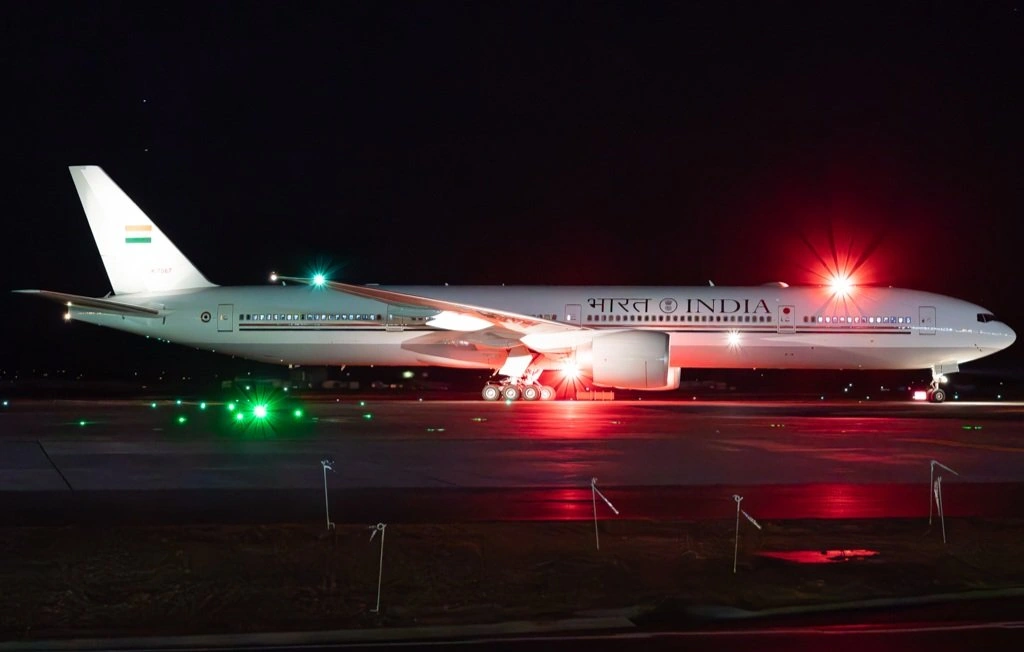
Pakistan has extended its ban on Indian-origin aircraft until January 23, 2026, marking what could become the longest airspace restriction in the history of India–Pakistan relations amid prolonged bilateral tensions.
Pakistan has once again extended the closure of its airspace to all Indian-registered aircraft, including civilian, chartered and military flights, signalling a continuation of strained relations between Pakistan and India.
The Pakistan Airports Authority issued a fresh Notice to Airmen (NOTAM) in mid-December 2025, confirming that the restriction will remain in force until January 23, 2026. The ban applies to aircraft owned, operated or leased by Indian airlines, as well as Indian military flights.
This extension follows a series of rolling, month-by-month renewals that began after heightened bilateral tensions in April 2025. Aviation analysts say continued renewals could effectively keep the ban in place throughout all of 2026, making it the longest airspace prohibition ever imposed between the two nuclear-armed neighbours.
Roots of the Airspace Closure-
The prolonged restriction traces back to a deadly militant attack in Pahalgam, in Jammu and Kashmir, in April 2025, which killed 26 people. India blamed groups allegedly backed by Pakistan, prompting a sharp diplomatic and strategic response, including the suspension of the Indus Waters Treaty.
In response, Pakistan imposed the initial airspace ban on April 24, 2025, barring Indian aircraft from transiting its skies. India retaliated days later, closing its own airspace to Pakistani carriers from April 30.
Escalation and Impact-
The reciprocal aviation restrictions deepened during a brief but intense military confrontation in early May 2025, further hardening positions on both sides. Since then, neither country has lifted its measures, despite international calls for de-escalation.
The continued ban has had significant commercial and operational consequences. Indian airlines are forced to take longer routes to Europe, Central Asia and the Middle East, increasing fuel costs and flight times. Pakistani carriers face similar constraints on eastbound routes.
With no diplomatic breakthrough in sight, aviation experts warn that prolonged airspace closures risk becoming a new normal in India–Pakistan relations, reinforcing economic losses and regional instability well into 2026.
The Pakistan Airports Authority issued a fresh Notice to Airmen (NOTAM) in mid-December 2025, confirming that the restriction will remain in force until January 23, 2026. The ban applies to aircraft owned, operated or leased by Indian airlines, as well as Indian military flights.
This extension follows a series of rolling, month-by-month renewals that began after heightened bilateral tensions in April 2025. Aviation analysts say continued renewals could effectively keep the ban in place throughout all of 2026, making it the longest airspace prohibition ever imposed between the two nuclear-armed neighbours.
Roots of the Airspace Closure-
The prolonged restriction traces back to a deadly militant attack in Pahalgam, in Jammu and Kashmir, in April 2025, which killed 26 people. India blamed groups allegedly backed by Pakistan, prompting a sharp diplomatic and strategic response, including the suspension of the Indus Waters Treaty.
In response, Pakistan imposed the initial airspace ban on April 24, 2025, barring Indian aircraft from transiting its skies. India retaliated days later, closing its own airspace to Pakistani carriers from April 30.
Escalation and Impact-
The reciprocal aviation restrictions deepened during a brief but intense military confrontation in early May 2025, further hardening positions on both sides. Since then, neither country has lifted its measures, despite international calls for de-escalation.
The continued ban has had significant commercial and operational consequences. Indian airlines are forced to take longer routes to Europe, Central Asia and the Middle East, increasing fuel costs and flight times. Pakistani carriers face similar constraints on eastbound routes.
With no diplomatic breakthrough in sight, aviation experts warn that prolonged airspace closures risk becoming a new normal in India–Pakistan relations, reinforcing economic losses and regional instability well into 2026.
Related News




You may like




Tom Holland Says Marvel Has a Plan for the Next Spider-Man
August 1, 2026
Elected News
-

Bangladesh Seeks UN Women Support on Digital Harassment and Women’s Empowerment
-

Bangladesh, Australia Discuss Human Trafficking, Irregular Migration and Rohingya Crisis
-

Bangladesh Plans Internet-Free Access to Mobile Banking and Financial Apps
-

DU to Open Undergraduate Admission Applications on 11 November, Tests Begin 5 December


