Pakistan–Saudi Arabia–Turkey Defence Deal in Pipeline, Says Pakistani Minister
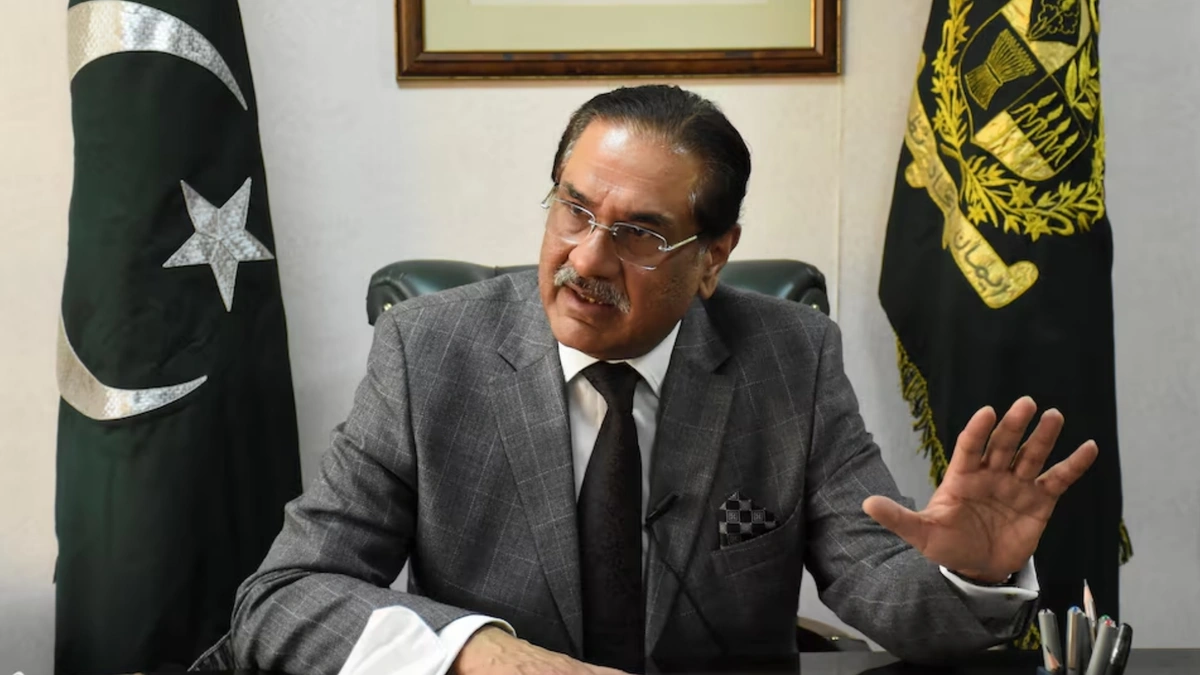
Pakistan, Saudi Arabia and Turkey have prepared a draft trilateral defence agreement after nearly a year of negotiations, signalling deeper security cooperation amid rising regional instability.
Pakistan has confirmed that a proposed trilateral defence agreement involving Pakistan, Saudi Arabia, and Turkey is currently in the pipeline, following extensive discussions over the past ten months.
Pakistan’s Minister for Defence Production Raza Hayat Harraj told on Wednesday that a draft of the agreement has already been prepared and shared with all three countries. He clarified that the proposed trilateral pact is separate from the bilateral Saudi–Pakistan defence agreement announced last year.
“The Pakistan–Saudi Arabia–Turkey trilateral agreement is already in the pipeline,” Harraj said. “The draft agreement is available with Pakistan, Saudi Arabia and Turkey, and all three countries are deliberating on it. This process has been ongoing for the last 10 months.”
According to Harraj, the deal still requires final political consensus among the three governments before it can be concluded. Analysts see the initiative as an attempt to strengthen regional defence cooperation at a time when the Middle East and surrounding regions have faced heightened tensions, conflicts, and security challenges over the past two years.
Responding to media reports on the negotiations, Turkish Foreign Minister Hakan Fidan confirmed that discussions had taken place but stressed that no agreement has yet been signed.
Speaking at a press conference in Istanbul, Fidan emphasized the importance of wider regional cooperation and mutual trust. He warned that a lack of trust often creates “cracks and problems” that allow external powers, terrorism, and instability to take root across the region.
While details of the draft agreement have not been disclosed, the proposed pact is being viewed as a strategic move that could enhance defence coordination, joint production, and security collaboration among the three influential Muslim-majority nations, should it move from discussion to formal signing.
Pakistan’s Minister for Defence Production Raza Hayat Harraj told on Wednesday that a draft of the agreement has already been prepared and shared with all three countries. He clarified that the proposed trilateral pact is separate from the bilateral Saudi–Pakistan defence agreement announced last year.
“The Pakistan–Saudi Arabia–Turkey trilateral agreement is already in the pipeline,” Harraj said. “The draft agreement is available with Pakistan, Saudi Arabia and Turkey, and all three countries are deliberating on it. This process has been ongoing for the last 10 months.”
According to Harraj, the deal still requires final political consensus among the three governments before it can be concluded. Analysts see the initiative as an attempt to strengthen regional defence cooperation at a time when the Middle East and surrounding regions have faced heightened tensions, conflicts, and security challenges over the past two years.
Responding to media reports on the negotiations, Turkish Foreign Minister Hakan Fidan confirmed that discussions had taken place but stressed that no agreement has yet been signed.
Speaking at a press conference in Istanbul, Fidan emphasized the importance of wider regional cooperation and mutual trust. He warned that a lack of trust often creates “cracks and problems” that allow external powers, terrorism, and instability to take root across the region.
While details of the draft agreement have not been disclosed, the proposed pact is being viewed as a strategic move that could enhance defence coordination, joint production, and security collaboration among the three influential Muslim-majority nations, should it move from discussion to formal signing.
Related News


You may like



Tom Holland Says Marvel Has a Plan for the Next Spider-Man
August 1, 2026
Elected News
-
Bangladesh Seeks UN Women Support on Digital Harassment and Women’s Empowerment
-
Bangladesh, Australia Discuss Human Trafficking, Irregular Migration and Rohingya Crisis
-

Bangladesh Plans Internet-Free Access to Mobile Banking and Financial Apps
-

DU to Open Undergraduate Admission Applications on 11 November, Tests Begin 5 December


