Rafah Crossing Closure Traps Gaza Patients Without Medical Treatment
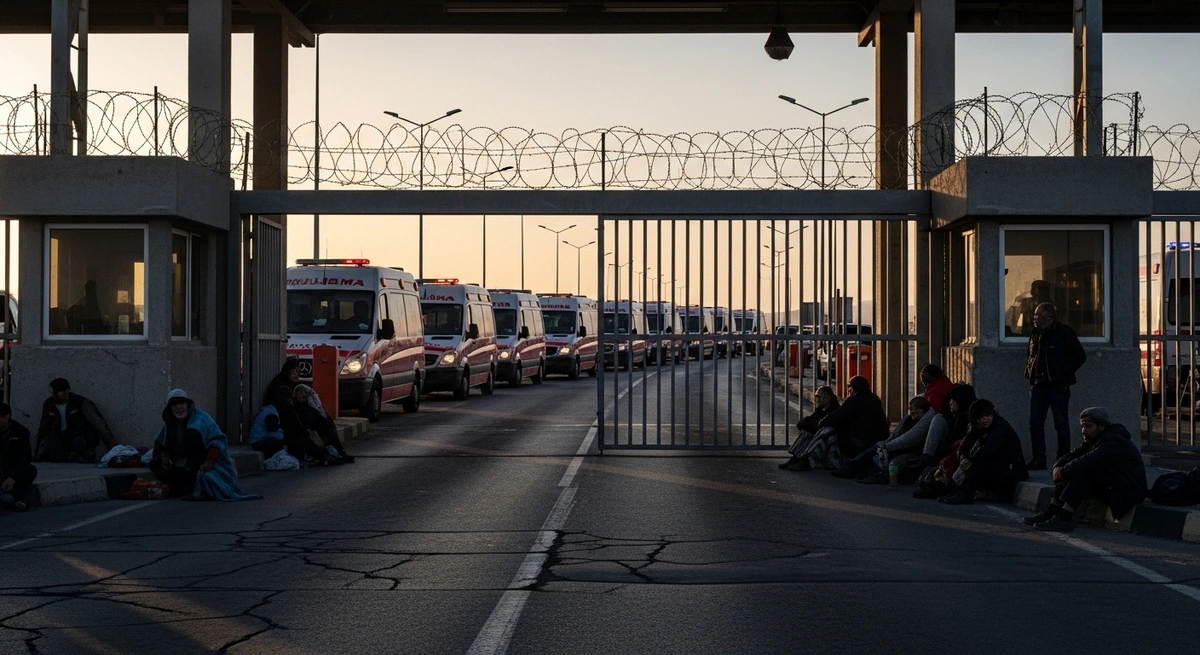
The closure of the Rafah crossing has again cut off a critical route for sick and wounded Palestinians in Gaza, leaving thousands of patients unable to reach treatment abroad and deepening pressure on a health system already battered by war. Humanitarian agencies say medical evacuations through Rafah and Kerem Shalom have been suspended since February 28, halting transfers for patients whose care is unavailable inside Gaza.
Among those left waiting are infants, cancer patients, and people with life threatening injuries. The World Health Organization said more than 18,500 patients in Gaza urgently need referral for treatment outside the territory, including care in East Jerusalem, the West Bank, Egypt and other countries. Earlier UN reporting said the total includes about 4,000 children.
The crossing had only recently reopened on a limited basis. WHO and UN reporting said Rafah resumed restricted medical evacuations in early February after months of closure, but only a small number of patients were able to leave. Reuters reported on February 3 that only five patients and seven companions crossed on the first day of the reopening, while UN and Al Jazeera reports later said nearly 260 patients had been evacuated through the available routes after the crossing reopened, far below the overall need.
The latest shutdown has left families in limbo. A Washington Post report published on March 11 said the brief period of relative improvement in Gaza, including resumed medical evacuations and more aid, ended abruptly after Israel and the United States launched strikes on Iran on February 28, prompting new security measures and a halt in aid and evacuee transport.
Health officials and aid agencies warn the impact is immediate. OCHA said all medical evacuations remained suspended after the February 28 closure, while the WHO flash update noted discussions were under way on possible resumption routes. The pause has also disrupted the entry of some medical supplies, worsening conditions for hospitals already facing shortages of drugs, equipment and specialist care.
There are now signs of limited movement resuming, but uncertainty remains. AP reported on March 16 that Israel plans to reopen the Rafah crossing on Wednesday for restricted passenger travel only, with no cargo allowed. Similar reports from other outlets said movement would be subject to coordination with Egypt and prior Israeli security approval. Even if the crossing reopens, the expected volume appears too limited to address the growing backlog of urgent cases.
For Gaza’s patients, the closure is not only a border issue. It is a life or death barrier. With thousands still waiting for surgery, cancer care, trauma treatment and specialist medicine unavailable in the Strip, the stoppage at Rafah has become one of the clearest signs of how the wider war continues to intensify Gaza’s humanitarian and medical crisis.
Related News





You may like




Tom Holland Says Marvel Has a Plan for the Next Spider-Man
August 1, 2026
Elected News
-
Bangladesh Seeks UN Women Support on Digital Harassment and Women’s Empowerment
-
Bangladesh, Australia Discuss Human Trafficking, Irregular Migration and Rohingya Crisis
-
Bangladesh Plans Internet-Free Access to Mobile Banking and Financial Apps
-
DU to Open Undergraduate Admission Applications on 11 November, Tests Begin 5 December


