Trump Was Warned Iran Could Retaliate Against Gulf Allies, Sources Say
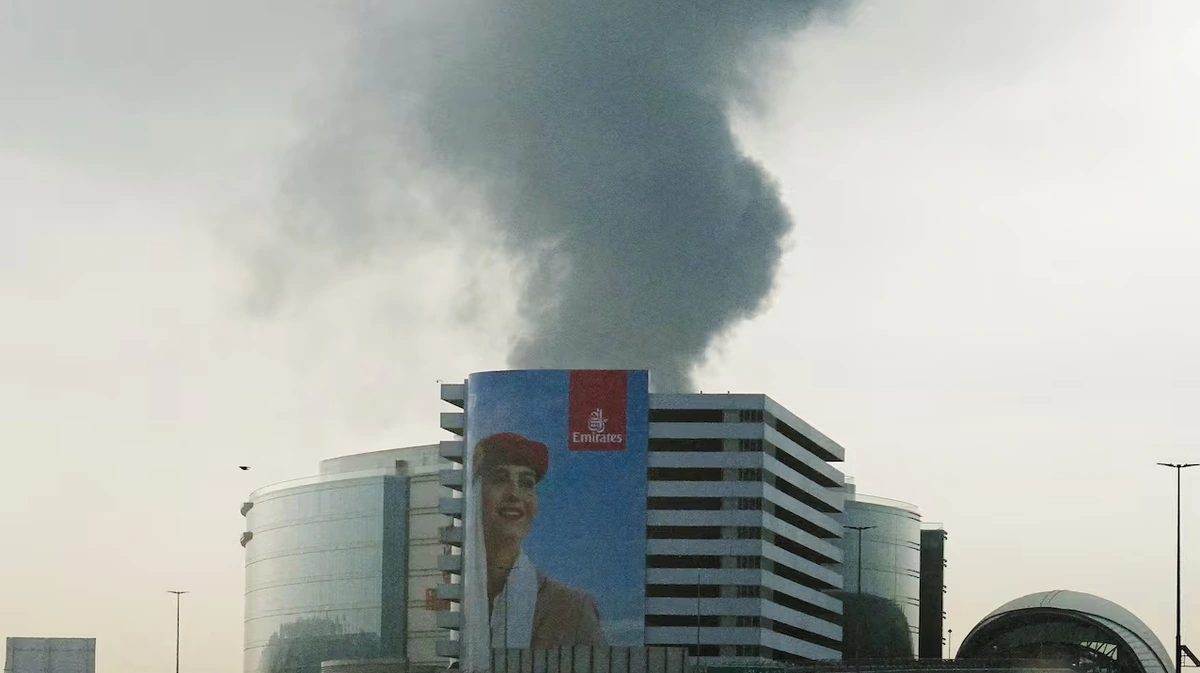
President Donald Trump was warned before the U.S. attack on Iran that Tehran could respond by striking American allies in the Gulf, according to Reuters, citing a U.S. official and multiple sources familiar with intelligence assessments. The report undercuts Trump’s public claim that Iran’s retaliation against Gulf states came as a surprise.
Trump said on Monday that “nobody expected” Iran to hit Qatar, Saudi Arabia, the United Arab Emirates, Bahrain and Kuwait. But Reuters said intelligence warnings before the war included the risk of a broader regional conflict, especially if Tehran viewed Gulf states as supporting or enabling U.S. military action.
The conflict has since widened sharply. Reuters reported that Iranian drones and missiles have struck military and civilian targets across Gulf states, including U.S. bases, airports, ports, hotels and energy facilities. A separate Reuters report said Gulf governments are now pressing Washington to deal decisively with Iran’s military threat, while still trying to avoid being pulled into a full scale regional war.
The Strait of Hormuz has become another central flashpoint. Reuters reported that Iran has halted almost all shipping through the waterway, which carries about 20 percent of the world’s oil and LNG trade. The disruption has driven oil prices higher and triggered urgent debate over whether the U.S. and its allies should launch an international naval effort to reopen the route.
That effort has met resistance. Reuters reported that several U.S. allies, including Germany, Spain and Italy, have rejected Trump’s request for military support in Hormuz, while others such as Britain and Denmark have kept the door open only to limited or noncombat assistance. The reluctance reflects concern that direct involvement would deepen the war and expose more countries to Iranian retaliation.
The Reuters report also adds to scrutiny over the administration’s public case for war. It said Trump and senior aides offered several justifications for the attack, including claims about Iran’s missile and nuclear timelines, that were not backed by U.S. intelligence reporting. Democratic lawmakers who attended classified briefings later said they had not seen evidence of an imminent threat requiring immediate military action.
As the war enters a more dangerous phase, the gap between the administration’s public messaging and the intelligence warnings described by Reuters is likely to intensify pressure on the White House. The latest reporting suggests the risk of Iranian retaliation against Gulf allies was not unforeseen, but part of the threat picture presented before the first strikes were launched.
Related News




You may like




Tom Holland Says Marvel Has a Plan for the Next Spider-Man
August 1, 2026
Elected News
-
Bangladesh Seeks UN Women Support on Digital Harassment and Women’s Empowerment
-
Bangladesh, Australia Discuss Human Trafficking, Irregular Migration and Rohingya Crisis
-
Bangladesh Plans Internet-Free Access to Mobile Banking and Financial Apps
-
DU to Open Undergraduate Admission Applications on 11 November, Tests Begin 5 December


