Ukraine Deploys More Than 200 Military Experts to Gulf to Counter Iranian Drones
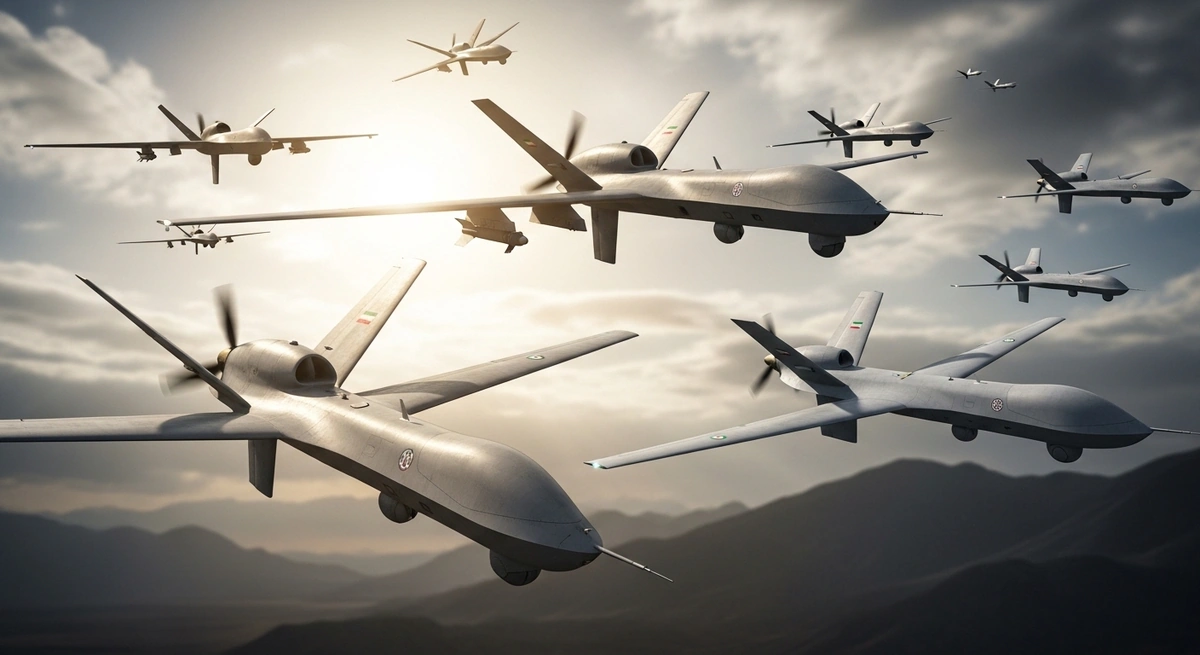
Ukrainian President Volodymyr Zelenskyy says more than 200 Ukrainian military specialists are now deployed across the Gulf and wider Middle East to help partner governments defend against Iranian drone attacks, as Kyiv moves to turn its battlefield experience into wider security cooperation with allies.
Speaking during an address to members of the British Parliament in London on March 17, Zelenskyy said 201 Ukrainian anti drone experts were already working in the region and that another 34 were ready for deployment. He said Ukrainian teams were already in the United Arab Emirates, Qatar and Saudi Arabia, and were on the way to Kuwait. He also said agreements had been reached with other countries.
Zelenskyy framed the mission as part of a broader response to the military cooperation between Iran and Russia. He said Tehran had supplied Shahed drones to Moscow, trained Russia in their use and shared production technology, before Russia later improved the systems. He also said Kyiv had evidence that Iranian Shahed drones used in the Middle East now contain Russian components.
In his remarks, Zelenskyy said the low cost drones were designed to inflict heavy damage on expensive infrastructure and argued that the security threat posed by Iran was directly linked to Ukraine’s own war experience. He said 90 percent of Russian battlefield losses were now being caused by Ukrainian drones and claimed Ukraine could produce at least 2,000 interceptor drones a day, with roughly half available beyond its own defence needs.
He said Ukraine was ready to help stop Shahed attacks not only in the Gulf but also in Europe and the United Kingdom, describing the challenge as one of technology, investment and cooperation. Reuters has also reported that Kyiv is seeking money, technology transfers and defence agreements in return for such support, while stressing that Ukrainian personnel are not taking part in direct combat operations in the Gulf.
The announcement came during Zelenskyy’s visit to London, where he met British Prime Minister Keir Starmer and NATO Secretary General Mark Rutte. After the meeting, Britain and Ukraine signed a new defence partnership aimed at combining Ukraine’s drone expertise with the UK’s industrial capacity to manufacture and supply drones and other defence technologies. The British government said the deal is intended to strengthen global defensive capability against the spread of low cost, high tech military hardware.
Starmer said the international focus must remain on Ukraine even as the Middle East crisis deepens, and warned that Russian President Vladimir Putin must not be allowed to benefit from the conflict through higher oil prices or pressure for sanctions relief. Reuters reported that London and Kyiv also discussed third country cooperation and broader defence production arrangements during Zelenskyy’s visit.
The deployment of Ukrainian specialists follows Zelenskyy’s earlier statement, reported by Reuters on March 10, that Ukraine had sent air defence teams to Qatar, the UAE and Saudi Arabia to help counter Iranian aerial attacks. Al Jazeera later reported that Zelenskyy had also said Jordan was among the countries receiving Ukrainian military teams.
Ukraine’s growing role in counter drone defence has drawn wider attention as Gulf states look for cheaper and more scalable ways to stop Iranian drones, which have exposed the limits of relying only on costly missile defence systems. Reuters reported this week that rising Gulf interest could channel new investment toward European and Ukrainian defence firms specialising in drone interception and electronic warfare.
Zelenskyy framed the mission as part of a broader response to the military cooperation between Iran and Russia. He said Tehran had supplied Shahed drones to Moscow, trained Russia in their use and shared production technology, before Russia later improved the systems. He also said Kyiv had evidence that Iranian Shahed drones used in the Middle East now contain Russian components.
In his remarks, Zelenskyy said the low cost drones were designed to inflict heavy damage on expensive infrastructure and argued that the security threat posed by Iran was directly linked to Ukraine’s own war experience. He said 90 percent of Russian battlefield losses were now being caused by Ukrainian drones and claimed Ukraine could produce at least 2,000 interceptor drones a day, with roughly half available beyond its own defence needs.
He said Ukraine was ready to help stop Shahed attacks not only in the Gulf but also in Europe and the United Kingdom, describing the challenge as one of technology, investment and cooperation. Reuters has also reported that Kyiv is seeking money, technology transfers and defence agreements in return for such support, while stressing that Ukrainian personnel are not taking part in direct combat operations in the Gulf.
The announcement came during Zelenskyy’s visit to London, where he met British Prime Minister Keir Starmer and NATO Secretary General Mark Rutte. After the meeting, Britain and Ukraine signed a new defence partnership aimed at combining Ukraine’s drone expertise with the UK’s industrial capacity to manufacture and supply drones and other defence technologies. The British government said the deal is intended to strengthen global defensive capability against the spread of low cost, high tech military hardware.
Starmer said the international focus must remain on Ukraine even as the Middle East crisis deepens, and warned that Russian President Vladimir Putin must not be allowed to benefit from the conflict through higher oil prices or pressure for sanctions relief. Reuters reported that London and Kyiv also discussed third country cooperation and broader defence production arrangements during Zelenskyy’s visit.
The deployment of Ukrainian specialists follows Zelenskyy’s earlier statement, reported by Reuters on March 10, that Ukraine had sent air defence teams to Qatar, the UAE and Saudi Arabia to help counter Iranian aerial attacks. Al Jazeera later reported that Zelenskyy had also said Jordan was among the countries receiving Ukrainian military teams.
Ukraine’s growing role in counter drone defence has drawn wider attention as Gulf states look for cheaper and more scalable ways to stop Iranian drones, which have exposed the limits of relying only on costly missile defence systems. Reuters reported this week that rising Gulf interest could channel new investment toward European and Ukrainian defence firms specialising in drone interception and electronic warfare.
Related News



You may like




Tom Holland Says Marvel Has a Plan for the Next Spider-Man
August 1, 2026
Elected News
-
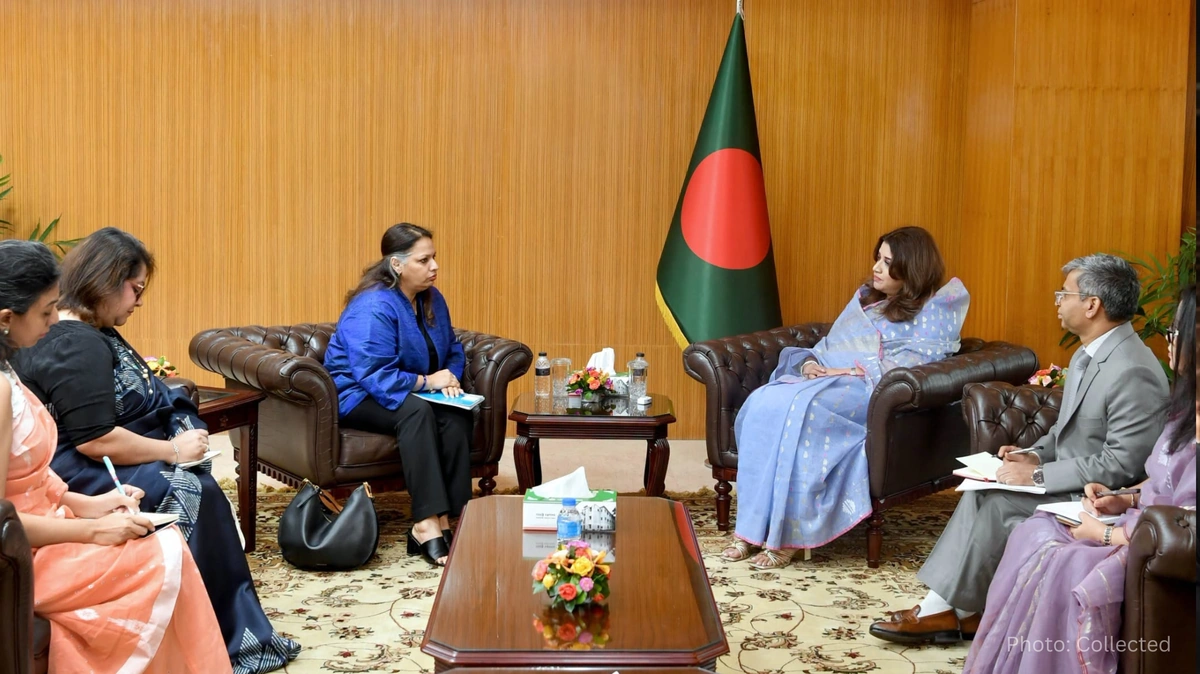
Bangladesh Seeks UN Women Support on Digital Harassment and Women’s Empowerment
-
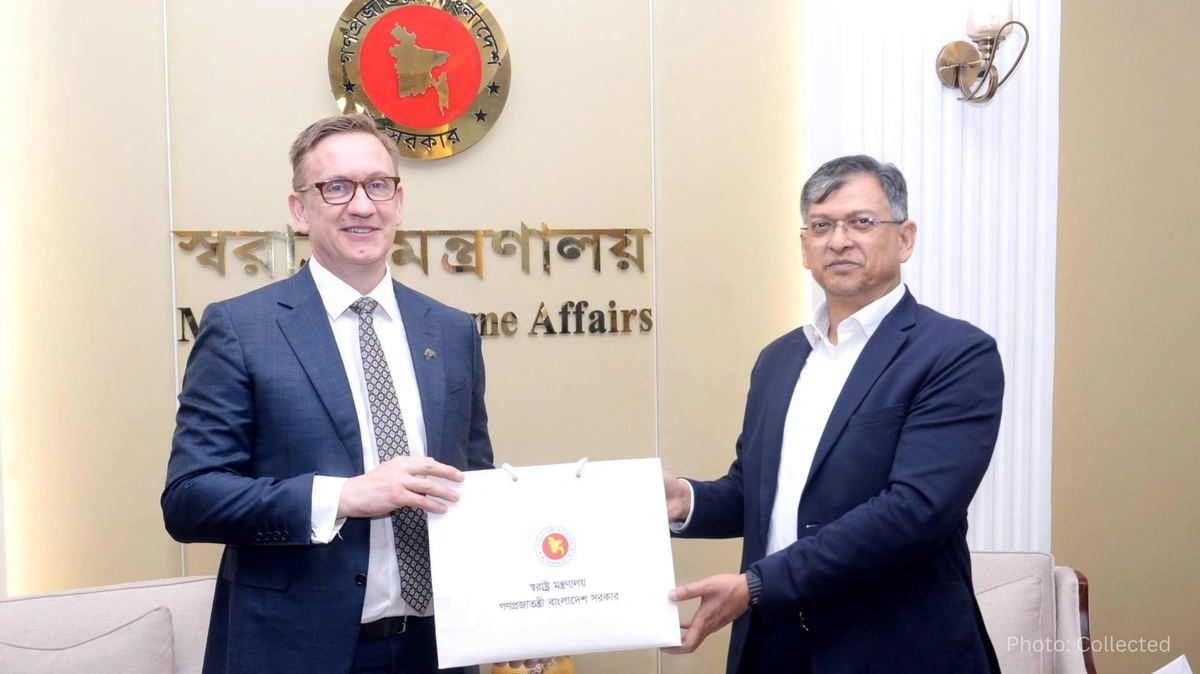
Bangladesh, Australia Discuss Human Trafficking, Irregular Migration and Rohingya Crisis
-
Bangladesh Plans Internet-Free Access to Mobile Banking and Financial Apps
-
DU to Open Undergraduate Admission Applications on 11 November, Tests Begin 5 December


