Ukraine Struggles to Hold Financial Stability Amid Prolonged War
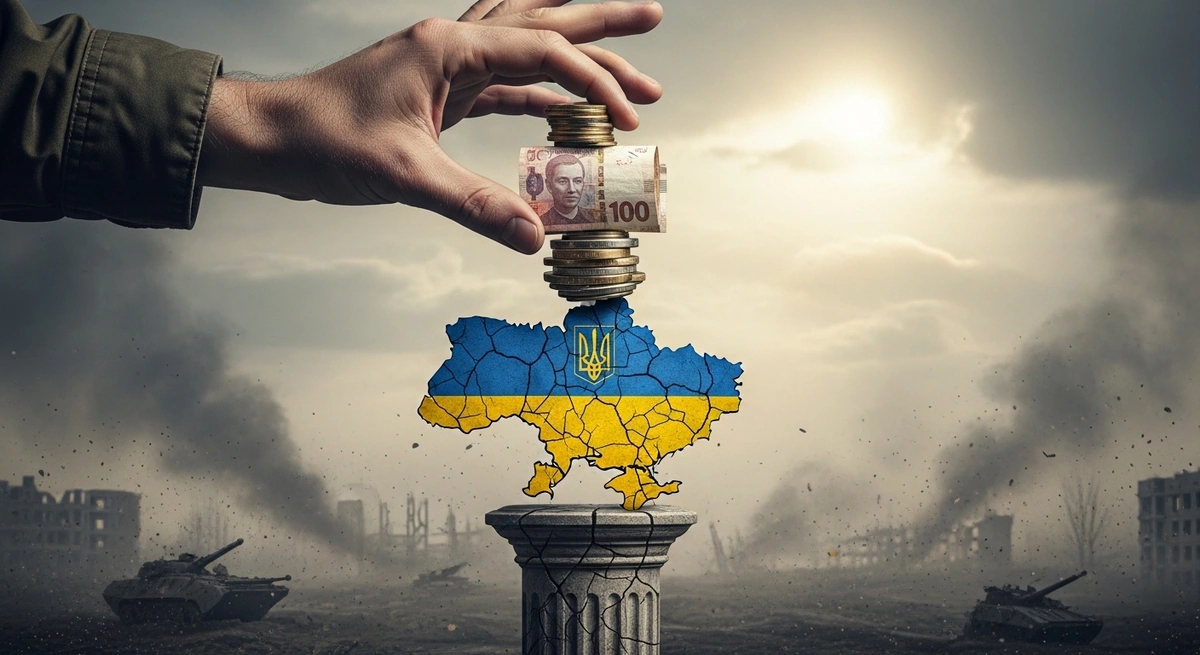
While the fighting with Russia continues on the battlefield, Ukraine is also facing a harsh struggle on the financial front. The government is trying to keep the economy stable, fund the military, and preserve basic public services at a time when wartime costs remain extreme and outside support is still essential. European institutions have moved to reinforce Kyiv with a new €90 billion loan package for 2026 and 2027, a measure designed to help Ukraine cover major financing needs over the next two years.
The European Commission announced in January that the new package would take the form of a €90 billion limited recourse loan for 2026 and 2027, while the Council of the European Union says the money will be raised through EU borrowing on capital markets and backed by the EU budget. European Parliament material says the package is meant to cover a large share of Ukraine’s financing needs over the period, with the first disbursements expected once the mechanism is fully enacted.
The urgency is clear in IMF assessments. In its latest Ukraine review published in late February 2026, the IMF said the country faces a financing gap of about $52 billion in 2026, which is expected to be covered through EU facilities, G7 support, bilateral aid and IMF backed financing. The Fund described Ukraine’s economy as resilient under war conditions, but warned that spending pressures remain exceptionally high and continued donor support is central to macroeconomic stability.
Ukraine is also under pressure to raise more money at home. The government has already moved to strengthen domestic revenues, and IMF program documents stress the need for continued tax and policy measures to keep public finances sustainable during wartime. This matters because defence still absorbs a huge share of public resources, leaving the state dependent on foreign assistance to help fund pensions, healthcare, education and other civilian needs.
The broader economic picture remains difficult. The National Bank of Ukraine said in late February that inflation for 2026 is forecast at around 7.5 percent, while the economy still faces persistent pressure from war damage and energy shortages. The EBRD also said in its February regional outlook that Ukraine’s 2026 growth forecast was revised down, reflecting the continued drag from the conflict and the slow economic benefits of any future peace arrangement.
One of the biggest drags on growth remains electricity supply. Russian attacks on energy infrastructure have repeatedly damaged Ukraine’s generating capacity and forced businesses to rely on backup systems, raising operating costs across the economy. The World Bank’s latest recovery and reconstruction assessment, released in February, estimated Ukraine’s reconstruction and recovery needs at nearly $588 billion over the next decade, with major needs concentrated in transport, energy and housing.
Even with these pressures, international institutions and investors continue to position themselves for Ukraine’s longer term recovery. The EBRD said in February that it has made more than €9 billion available to Ukraine since the full scale war began in February 2022, supporting energy security, critical infrastructure, food security, trade and the private sector. The bank has also signalled that sustained peace and credible security conditions will be key to unlocking larger private investment flows after the war.
Ukraine’s labour market is another major concern. The ILO has warned that the country could face a shortfall of roughly 8.6 million additional workers during the recovery period, reflecting the huge long term strain caused by displacement, military mobilization and outward migration. This points to a deeper structural challenge for reconstruction, even if financing remains available.
For Kyiv, the central issue is no longer only survival in war, but whether it can defend the economy strongly enough to shape a viable postwar future. The combination of EU loans, IMF backing and multilateral investment support has given Ukraine breathing room. But the country still faces a narrow path, balancing military necessity, fiscal stability and reconstruction planning under the weight of a war that continues to reshape every part of its economy.
The urgency is clear in IMF assessments. In its latest Ukraine review published in late February 2026, the IMF said the country faces a financing gap of about $52 billion in 2026, which is expected to be covered through EU facilities, G7 support, bilateral aid and IMF backed financing. The Fund described Ukraine’s economy as resilient under war conditions, but warned that spending pressures remain exceptionally high and continued donor support is central to macroeconomic stability.
Ukraine is also under pressure to raise more money at home. The government has already moved to strengthen domestic revenues, and IMF program documents stress the need for continued tax and policy measures to keep public finances sustainable during wartime. This matters because defence still absorbs a huge share of public resources, leaving the state dependent on foreign assistance to help fund pensions, healthcare, education and other civilian needs.
The broader economic picture remains difficult. The National Bank of Ukraine said in late February that inflation for 2026 is forecast at around 7.5 percent, while the economy still faces persistent pressure from war damage and energy shortages. The EBRD also said in its February regional outlook that Ukraine’s 2026 growth forecast was revised down, reflecting the continued drag from the conflict and the slow economic benefits of any future peace arrangement.
One of the biggest drags on growth remains electricity supply. Russian attacks on energy infrastructure have repeatedly damaged Ukraine’s generating capacity and forced businesses to rely on backup systems, raising operating costs across the economy. The World Bank’s latest recovery and reconstruction assessment, released in February, estimated Ukraine’s reconstruction and recovery needs at nearly $588 billion over the next decade, with major needs concentrated in transport, energy and housing.
Even with these pressures, international institutions and investors continue to position themselves for Ukraine’s longer term recovery. The EBRD said in February that it has made more than €9 billion available to Ukraine since the full scale war began in February 2022, supporting energy security, critical infrastructure, food security, trade and the private sector. The bank has also signalled that sustained peace and credible security conditions will be key to unlocking larger private investment flows after the war.
Ukraine’s labour market is another major concern. The ILO has warned that the country could face a shortfall of roughly 8.6 million additional workers during the recovery period, reflecting the huge long term strain caused by displacement, military mobilization and outward migration. This points to a deeper structural challenge for reconstruction, even if financing remains available.
For Kyiv, the central issue is no longer only survival in war, but whether it can defend the economy strongly enough to shape a viable postwar future. The combination of EU loans, IMF backing and multilateral investment support has given Ukraine breathing room. But the country still faces a narrow path, balancing military necessity, fiscal stability and reconstruction planning under the weight of a war that continues to reshape every part of its economy.
Related News



You may like




Tom Holland Says Marvel Has a Plan for the Next Spider-Man
August 1, 2026
Elected News
-
Bangladesh Seeks UN Women Support on Digital Harassment and Women’s Empowerment
-
Bangladesh, Australia Discuss Human Trafficking, Irregular Migration and Rohingya Crisis
-
Bangladesh Plans Internet-Free Access to Mobile Banking and Financial Apps
-
DU to Open Undergraduate Admission Applications on 11 November, Tests Begin 5 December


