U.S. jury convicts Huawei of trade secret theft and bank fraud
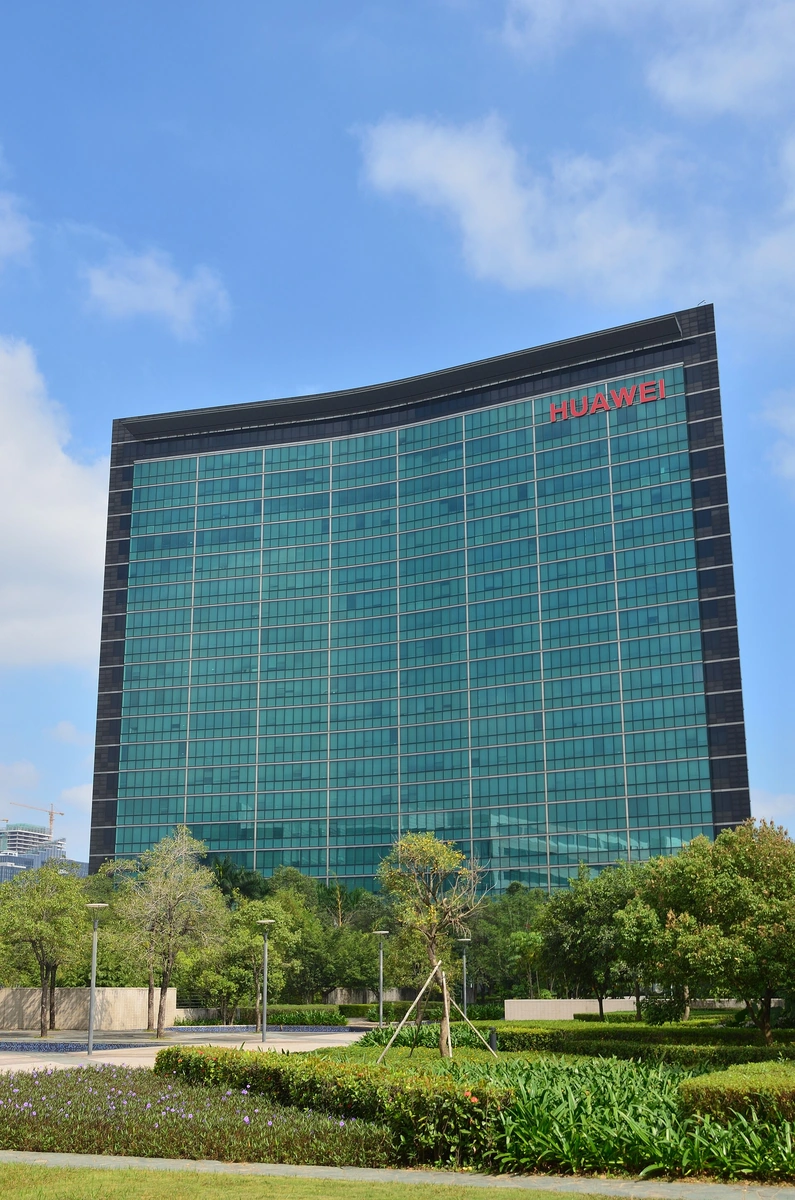
A U.S. jury in New York convicted Huawei Technologies of conspiracy to steal trade secrets and bank fraud on Tuesday. The company was acquitted of the more serious charge of criminal racketeering conspiracy.
A U.S. jury in New York convicted Chinese technology giant Huawei Technologies on Tuesday of conspiracy to steal trade secrets and bank fraud. The verdict marks the culmination of a high-profile legal battle that has spanned several years and intensified tensions between Washington and Beijing. However, jurors acquitted the company of the most serious charge it faced: engaging in a criminal racketeering conspiracy, a count typically reserved for organized crime and drug trafficking cases.
The trial followed a lengthy process in which U.S. prosecutors argued that Huawei repeatedly stole technological secrets from competitors and partners in the United States and elsewhere. Prosecutors alleged that the company engaged in a long pattern of outright technology thefts to maintain its competitive edge in the global telecommunications market. They further accused Huawei of doing business in countries subject to U.S. sanctions, including Iran and North Korea, and of making false statements to U.S. government officials and banks to conceal these activities.
According to court records, the victim companies named in the indictment included Cisco Systems, Motorola Solutions, T-Mobile, Quintel USA and Fujitsu. The indictment detailed specific instances of alleged misconduct, including the sale of internet routers containing source code copied from a competitor. Prosecutors stated that a person working for Huawei slipped into a competitor's booth at a Chicago trade show to surreptitiously photograph the circuits inside another company's networking device. In another episode, a Huawei worker removed a robotic arm from a competitor's lab so it could be photographed and measured.
During closing arguments, prosecutor Meredith Arfa told the jury that the tone for the alleged criminal conduct was set at the top by Huawei leaders and executives. Arfa claimed that these individuals engaged in criminal conduct, including lying to Congress, lying to banks, violating U.S. sanctions and trying to interfere with the criminal investigation that led to the case. She argued that the company operated in an illicit fashion to steal intellectual property from American firms.
Lawyers for Huawei disputed the government's narrative, arguing that U.S. investigators used isolated episodes of wrongdoing by a few of the company's more than 200,000 employees to spin a false story about a grand conspiracy that did not exist. Huawei attorney Brian Heberlig stated that the company would appeal the convictions but viewed the acquittal on the racketeering charge as a vindication. Heberlig said that the racketeering count was the only charge that brought all the allegations together and that the jury's rejection of it repudiated the central government narrative in the case.
In his closing argument, Heberlig contended that prosecutors relied on innuendo and facts ripped out of context, along with testimony from ex-employees who had a personal grievance against the company. He asserted that Huawei did not steal its way to success and that much of the material the U.S. alleges was stolen was already public. Heberlig noted that Huawei paid billions of dollars in licensing fees over the years, with 75% of that money going to U.S. companies. He also stated that the company had reprimanded or fired employees found to have engaged in wrongdoing.
Heberlig pointed out that lines of Cisco source code turned up in Huawei software more than two decades ago. He said that when this source-code copying was discovered, Huawei recalled routers sold in the U.S. and offered to replace them with Cisco routers. The attorney argued that this incident led to the creation of a compliance culture that permeates the company today. He emphasized that Huawei had relied on hard work, innovation and competition to succeed, rather than illicit means.
The legal proceedings against Huawei began in early 2019 when the U.S. announced its criminal charges, which were later expanded. The case has been a focal point of U.S.-China economic and technological rivalry. Chinese officials have consistently criticized the U.S. for engaging in economic bullying and improperly using national security as a pretext for oppressing Chinese companies. The verdict is expected to have limited immediate impact on Huawei's global fortunes, as the company has already been barred from selling equipment to U.S. carriers for years due to security concerns.
Huawei has also been blacklisted by other Western allies, including Canada and Britain. Despite these restrictions, the company continues to do robust business elsewhere, with its smartphones and other telecom equipment sold globally. More recently, Huawei has expanded into chipmaking, becoming an important alternative in China to chips made by companies such as Nvidia, driven by the boom in artificial intelligence and the resulting demand for microprocessors.
The trial in New York overlapped with a summit meeting between U.S. President Donald Trump, China's President Xi Jinping and Russia's President Vladimir Putin in the technology-centric city of Shenzhen, China. This coincidence highlighted the geopolitical significance of the case, which extends beyond corporate law into the broader strategic competition between the world's two largest economies. The outcome of the trial may influence future diplomatic and economic interactions between Washington and Beijing.
U.S. prosecutors had originally brought criminal charges against Huawei's chief financial officer, Meng Wanzhou, accusing her of misleading HSBC bank about the company's business dealings in Iran. Meng, the daughter of Huawei's founder, was arrested in Canada in 2018. She was ultimately allowed to return to China in 2021 in a prisoner swap that freed two Canadians held by China. As part of that deal, the U.S. dropped its case against Meng. The current verdict against the company itself represents a separate legal track in the ongoing dispute.
The acquittal on the racketeering charge is significant because it suggests that the jury did not find sufficient evidence to support the government's claim that Huawei operated as a criminal enterprise. However, the convictions on trade secret theft and bank fraud confirm that the company engaged in illegal activities that harmed its competitors and financial institutions. The company's decision to appeal the convictions indicates that it intends to continue fighting the legal battle in higher courts. The case remains a key indicator of the state of U.S.-China relations in the technology sector.
You may like
Bank Asia and BGIC partner to insure two-wheeler loans
November 25, 2026
China pledges to work with Thailand and Myanmar on Mekong pollution
November 25, 2026


Great Britain energy bills to rise 26% as price cap hits £2,166
November 25, 2026
Elected News
-

Bangladesh Seeks UN Women Support on Digital Harassment and Women’s Empowerment
-

Bangladesh, Australia Discuss Human Trafficking, Irregular Migration and Rohingya Crisis
-
Bangladesh Plans Internet-Free Access to Mobile Banking and Financial Apps
-

DU to Open Undergraduate Admission Applications on 11 November, Tests Begin 5 December


