Venezuela Begins Large Prisoner Release Amid US Pressure
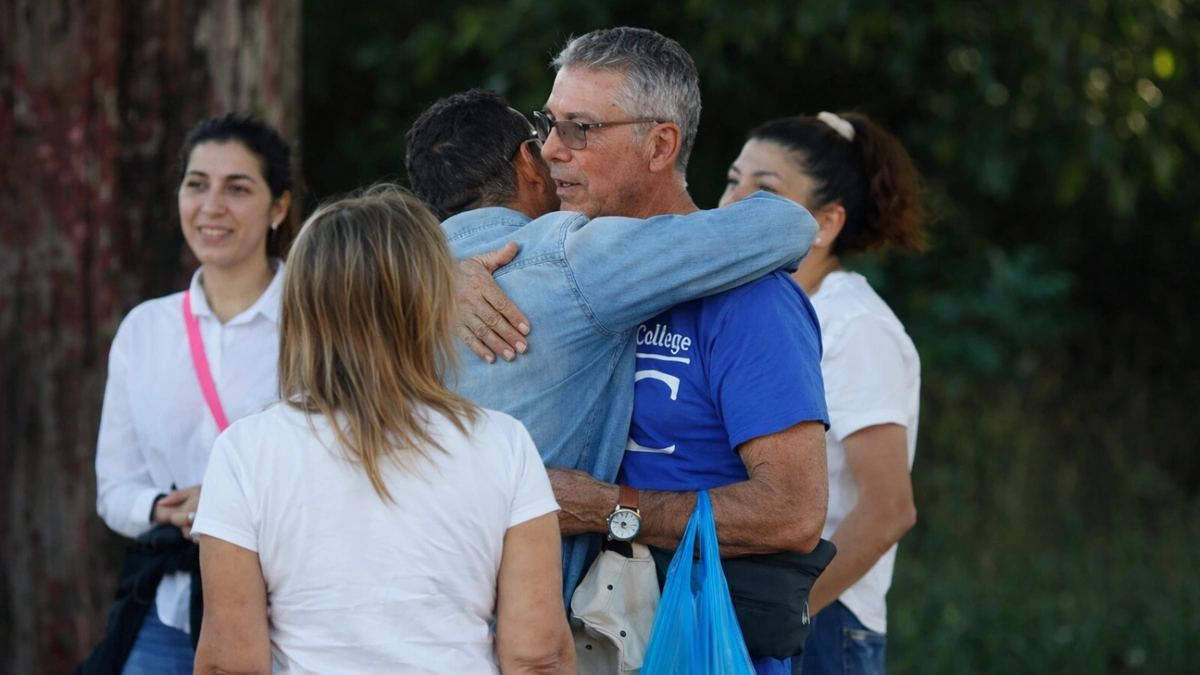
Speaking publicly, National Assembly Speaker Jorge Rodríguez—brother of the interim leader—confirmed that Venezuelan citizens and foreign nationals were being freed immediately in the interest of social stability. He did not disclose names, locations, or exact figures.
Venezuela has begun freeing a significant number of political detainees, including several foreign nationals, in a move widely seen as a gesture toward the United States following the detention of longtime leader Nicolás Maduro.
The releases mark the first such action since Delcy Rodríguez, formerly Maduro’s deputy, assumed control with backing from US President Donald Trump. Trump has indicated he is willing to recognize her administration provided Washington gains access to Venezuela’s vast oil resources.
The White House credited Trump’s pressure for the development. Deputy Press Secretary Anna Kelly said the prisoner releases demonstrated how the administration was applying maximum leverage to advance both American and Venezuelan interests.
Speaking publicly, National Assembly Speaker Jorge Rodríguez—brother of the interim leader—confirmed that Venezuelan citizens and foreign nationals were being freed immediately in the interest of social stability. He did not disclose names, locations, or exact figures.
Opposition figure María Corina Machado welcomed the announcement, saying in a recorded message that injustice is temporary and that truth ultimately prevails.
Among those reportedly released was prominent Spanish-Venezuelan activist Rocío San Miguel, according to Spain’s foreign ministry. She had been detained since February 2024 over allegations of involvement in an assassination plot, which she consistently denied.
Heightened security was observed around Caracas’s El Helicoide detention facility, a site long associated with political imprisonment. Relatives of detainees gathered nearby, anxiously hoping for confirmation of releases.
One woman, whose son is affiliated with Machado’s political movement, told reporters she was fearful but hopeful that the news would prove genuine.
Earlier in the week, Trump had claimed that authorities were shutting down a detention center he described as a “torture chamber,” though no official details were provided. His remarks fueled speculation that El Helicoide could be closed.
Human rights organization Foro Penal estimates that more than 800 political prisoners remain in Venezuelan custody. While welcoming the reported releases, the group said it was still verifying information.
Maduro was captured during a US-led operation involving air and ground forces, an action Venezuelan authorities say resulted in around 100 deaths. He and his wife were transported to New York, where he faces drug-related charges.
Trump later stated that the United States would oversee Venezuela during a transitional period and manage access to its oil reserves. In an interview, he suggested US involvement could last far longer than initially expected.
Despite this, Delcy Rodríguez rejected claims that Venezuela had been overtaken or surrendered. Speaking at a memorial event, she said the country had resisted foreign intervention and defended what she called a fight for national sovereignty.
Supporters of Maduro held demonstrations in Caracas, waving red flags and demanding his release.
In Washington, the US Senate advanced a resolution aimed at limiting military actions against Venezuela, reflecting unease among lawmakers over the operation that led to Maduro’s capture. The measure is expected to face obstacles in the House of Representatives.
Control over oil remains central to the evolving US-Venezuela relationship. Venezuela holds the world’s largest proven crude reserves, making energy a strategic priority for Washington.
Trump recently outlined a plan to sell tens of millions of barrels of Venezuelan oil, with proceeds used to purchase US-manufactured goods. Rodríguez defended the arrangement, calling it a standard commercial practice.
Public opinion in Caracas appears divided. Some residents believe US involvement could bring economic opportunities, while others fear long-term dependence.
Trump is scheduled to meet with energy industry leaders, and has warned that Rodríguez would face severe consequences if she fails to follow his policy agenda.
Former Venezuelan information minister Andrés Izarra said Rodríguez’s authority depends largely on US support, adding that her position would be vulnerable if Washington withdraws backing.
Related News
You may like

Tom Holland Says Marvel Has a Plan for the Next Spider-Man
August 1, 2026
Elected News
-
Bangladesh Seeks UN Women Support on Digital Harassment and Women’s Empowerment
-
Bangladesh, Australia Discuss Human Trafficking, Irregular Migration and Rohingya Crisis
-
Bangladesh Plans Internet-Free Access to Mobile Banking and Financial Apps
-
DU to Open Undergraduate Admission Applications on 11 November, Tests Begin 5 December


