Bangladesh Advances with Padma Barrage Project After 60 Years of Debate
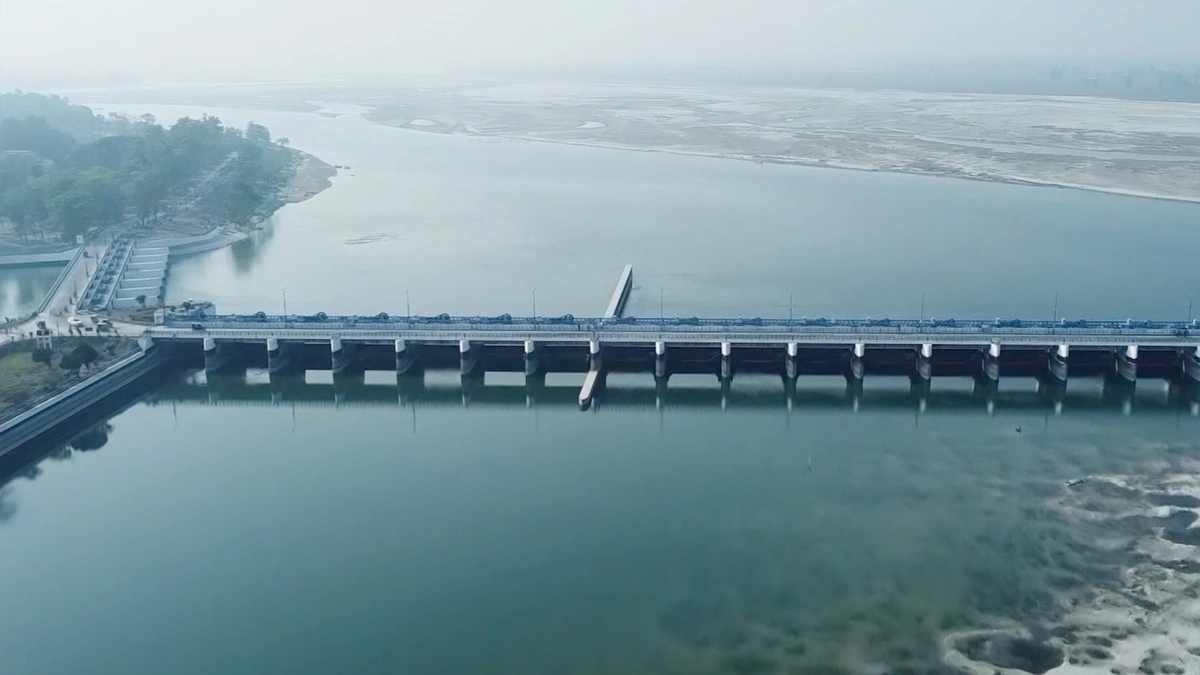
After nearly six decades of discussions and feasibility studies, Bangladesh is moving forward with the Padma Barrage project. The government plans to begin construction in March 2026, marking a significant step toward addressing water management challenges in the region.
Bangladesh is set to advance the long-awaited Padma Barrage project, a major infrastructure initiative that has been under discussion for almost 60 years. The government has announced plans to begin construction in March 2026, with an initial cost estimated at Tk 50,444 crore. This ambitious project aims to address the severe impacts of the Farakka Barrage, constructed by India in 1975, which significantly reduced the flow of the Padma River, affecting agriculture, biodiversity, and navigation in Bangladesh.
The Padma Barrage is expected to regulate river flow and store water during the dry season, providing much-needed irrigation and water supply to downstream areas. Additionally, the project will generate 113 megawatts of hydroelectric power and feature a two-kilometre-long railway bridge over the barrage. The Bangladesh Water Development Board (BWDB) will be responsible for the project's execution, which is scheduled for completion by 2033.
The project will be implemented in three phases, with the initial phase being entirely funded by the Bangladeshi government. While no foreign loans will be involved at the start, external financing may be explored later if development partners express interest.
One of the key challenges for the success of the project is securing an agreement with India on upstream water flow, a crucial aspect for the barrage to deliver its full benefits. Water resources expert Ainun Nishat emphasized the political timing of the project and warned that its success would depend on bilateral cooperation with India.
The barrage will be constructed at Pangsha Point in Rajbari district, featuring 78 spillway gates, 18 undersluice gates, a navigation lock for vessels, and two fish passes. It will also aim to protect the Sundarbans ecosystem, improve freshwater security, and support agricultural production by expanding irrigation across nearly 1.9 million hectares of land in several key regions, including Kushtia, Faridpur, Jashore, and Khulna.
The project is expected to store 2,900 million cubic metres of water during the dry season, helping to reduce salinity in the southwest rivers and enhance water availability for strategic installations, including the Rooppur Nuclear Power Plant.
Mostafizur Rahman, Secretary of the Planning Ministry, highlighted the national importance of the project, acknowledging that decades of delay were due to various challenges. However, he emphasized that the focus should now be on ensuring the country's long-term water security and agricultural development.
Source: DBC News
Related News
You may like




Tom Holland Says Marvel Has a Plan for the Next Spider-Man
August 1, 2026
Elected News
-
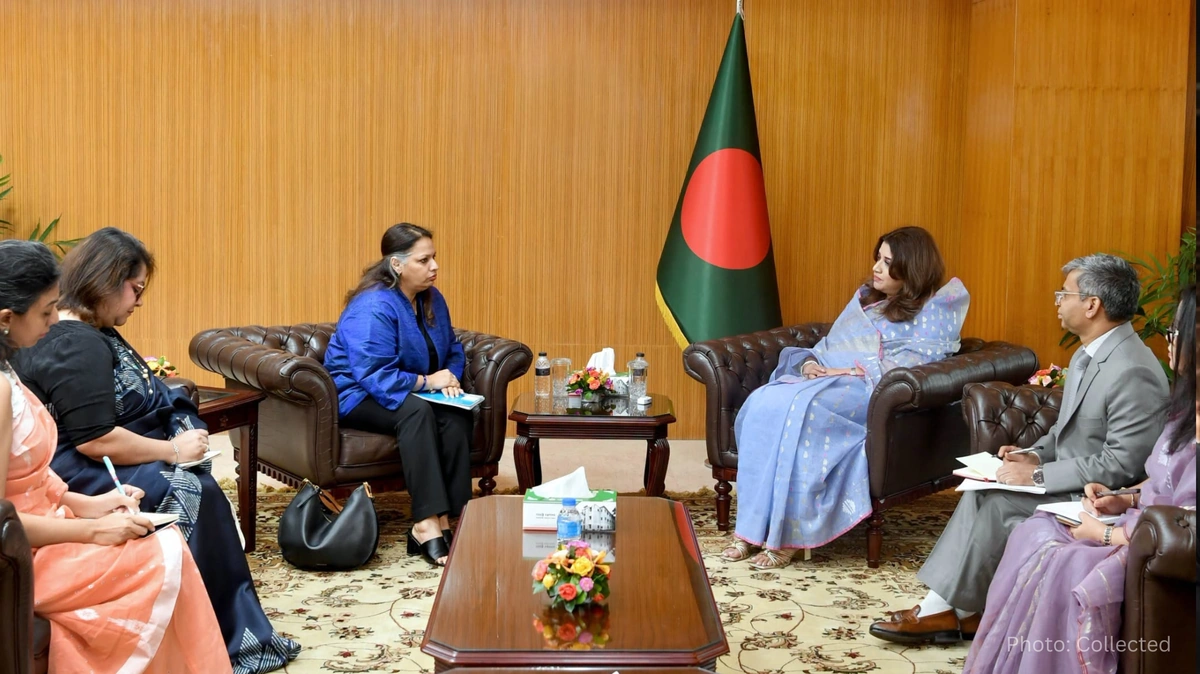
Bangladesh Seeks UN Women Support on Digital Harassment and Women’s Empowerment
-

Bangladesh, Australia Discuss Human Trafficking, Irregular Migration and Rohingya Crisis
-

Bangladesh Plans Internet-Free Access to Mobile Banking and Financial Apps
-
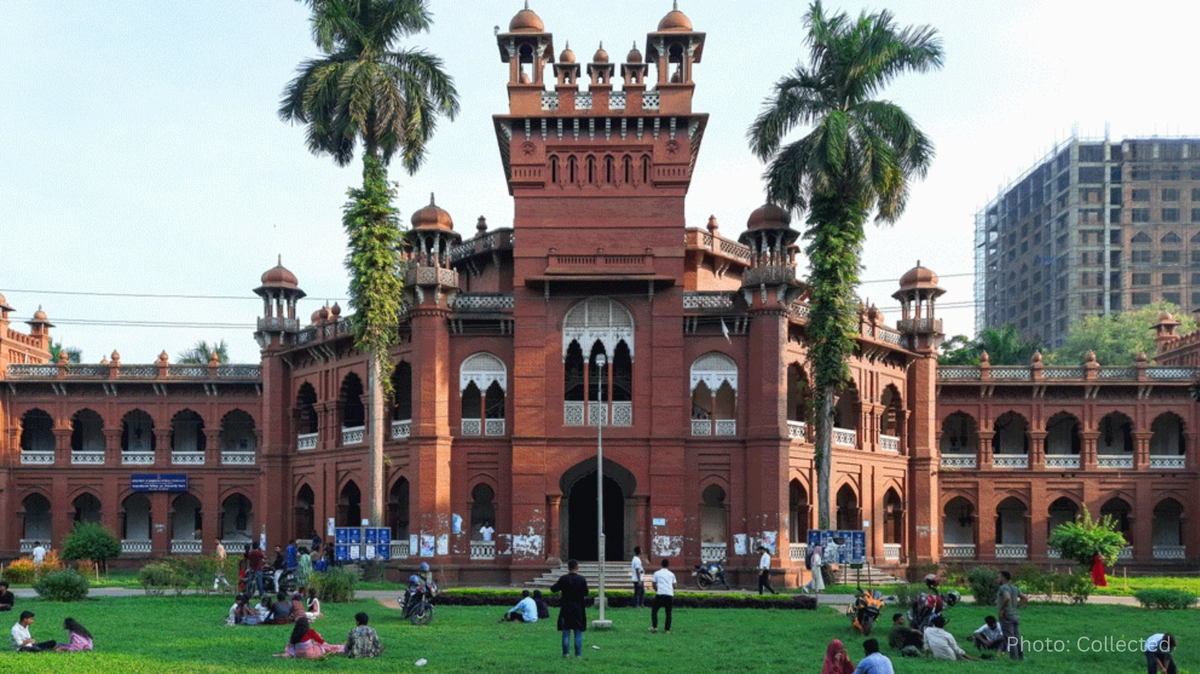
DU to Open Undergraduate Admission Applications on 11 November, Tests Begin 5 December


