Bangladesh to be Among World's 6 Hottest Countries by 2050
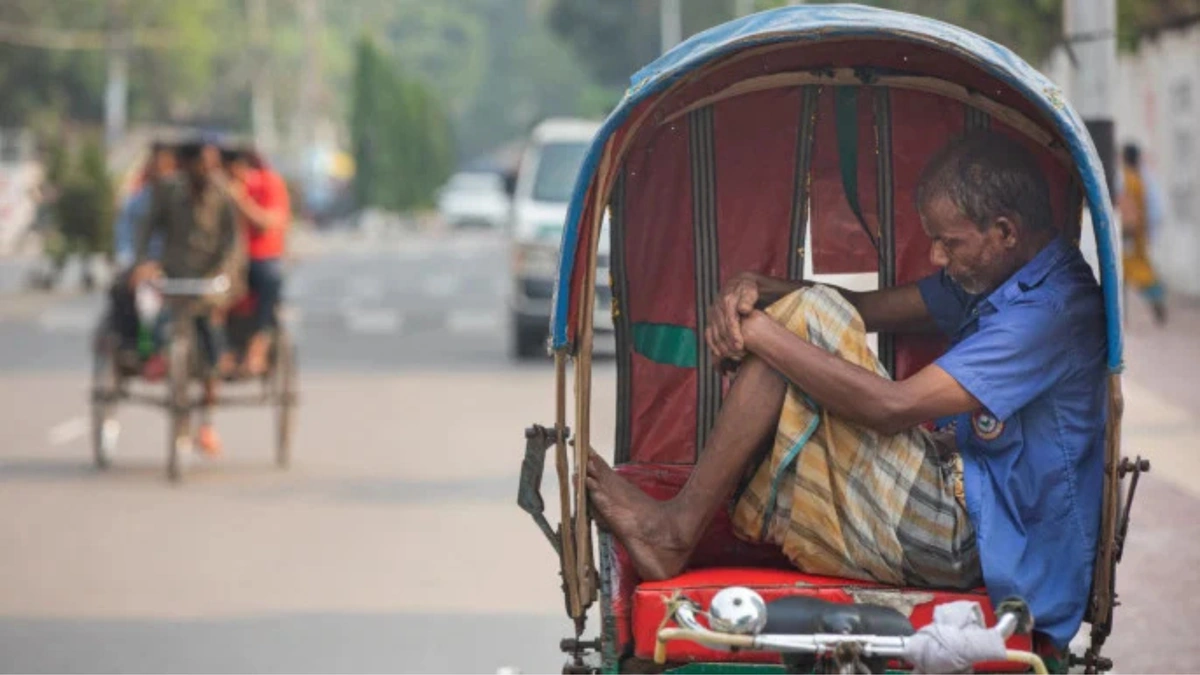
A new study warns that Bangladesh will face severe heatwaves by 2050, along with other countries, as global temperatures rise due to climate change.
A new international study, led by researchers from the University of Oxford, reveals that Bangladesh will be one of the six countries most severely affected by extreme heat by 2050, driven by rising global temperatures.
The study, published in the journal Nature Sustainability on January 26, 2026, warns that the global heatwave crisis is intensifying, with significant impacts on daily life, economies, and public health systems. If current fossil fuel consumption continues, the proportion of the global population exposed to extreme heat could nearly double within the next 25 years.
The study predicts that if global temperatures rise by 2 degrees Celsius above pre-industrial levels, around 3.79 billion people (41% of the world’s population) will experience extreme heat conditions by mid-century, up from 23% in 2010 (about 1.54 billion people).
Researchers used high-resolution climate and population models to assess heatwave risks, classifying regions with more than 3,000 "Cooling Degree Days" (CDD) per year as "extreme heat-prone." Countries like India, Nigeria, Indonesia, Bangladesh, Pakistan, and the Philippines will have the largest populations living under extreme heat.
Dr. Jesus Lizana, the lead author, emphasized that national average temperatures may not fully reflect the heat risks for countries like Bangladesh, where many people live in areas with cooling demands exceeding 3,000 CDDs, indicating prolonged and dangerous exposure to heat.
Bangladesh, already one of the world’s most climate-vulnerable countries, faces an additional threat from extreme heat. Experts note that heatwaves significantly increase the risk of heatstroke, cardiovascular stress, and kidney disease, especially among vulnerable groups like the elderly, children, and low-income populations.
The study also highlights the growing demand for cooling in low- and middle-income countries in tropical regions, including Bangladesh, which will likely drive up energy use. If this demand is met with fossil fuels, it could further exacerbate climate change.
The study stresses that the window to prevent the worst impacts of extreme heat is closing rapidly. Scientists recommend keeping global warming below 1.5°C to significantly reduce the number of people exposed to life-threatening heat.
Related News
You may like




Tom Holland Says Marvel Has a Plan for the Next Spider-Man
August 1, 2026
Elected News
-
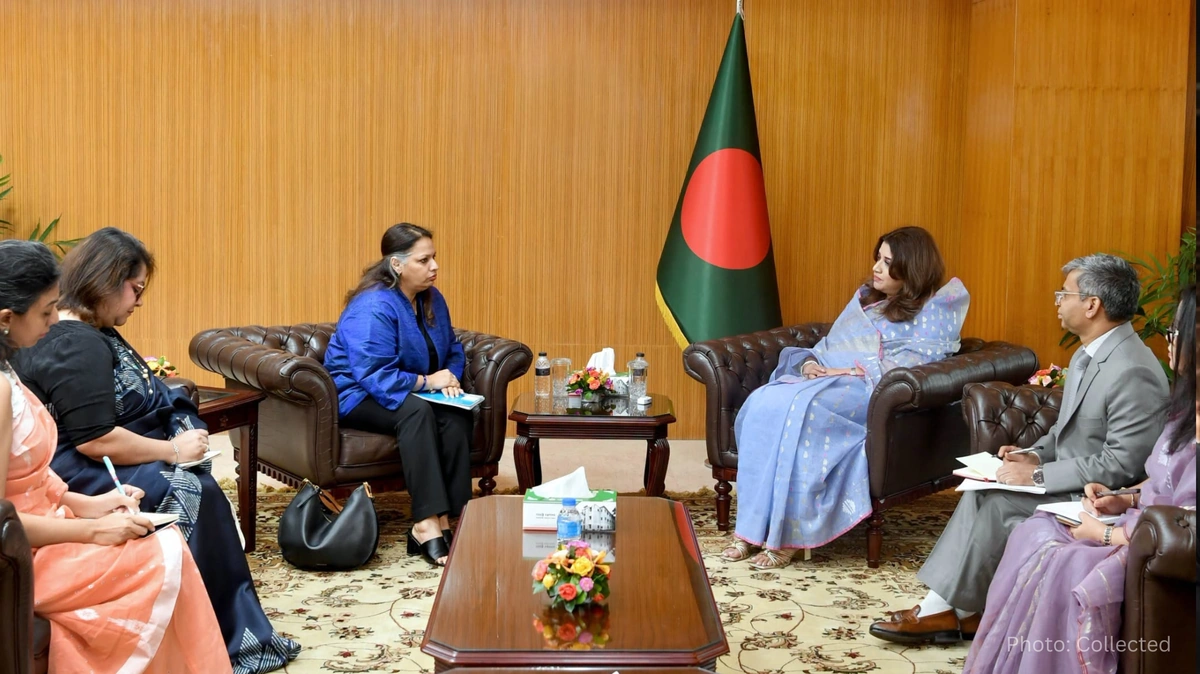
Bangladesh Seeks UN Women Support on Digital Harassment and Women’s Empowerment
-

Bangladesh, Australia Discuss Human Trafficking, Irregular Migration and Rohingya Crisis
-

Bangladesh Plans Internet-Free Access to Mobile Banking and Financial Apps
-

DU to Open Undergraduate Admission Applications on 11 November, Tests Begin 5 December


