Concerns of Major Earthquake in Bangladesh: Precautionary Measures to Take
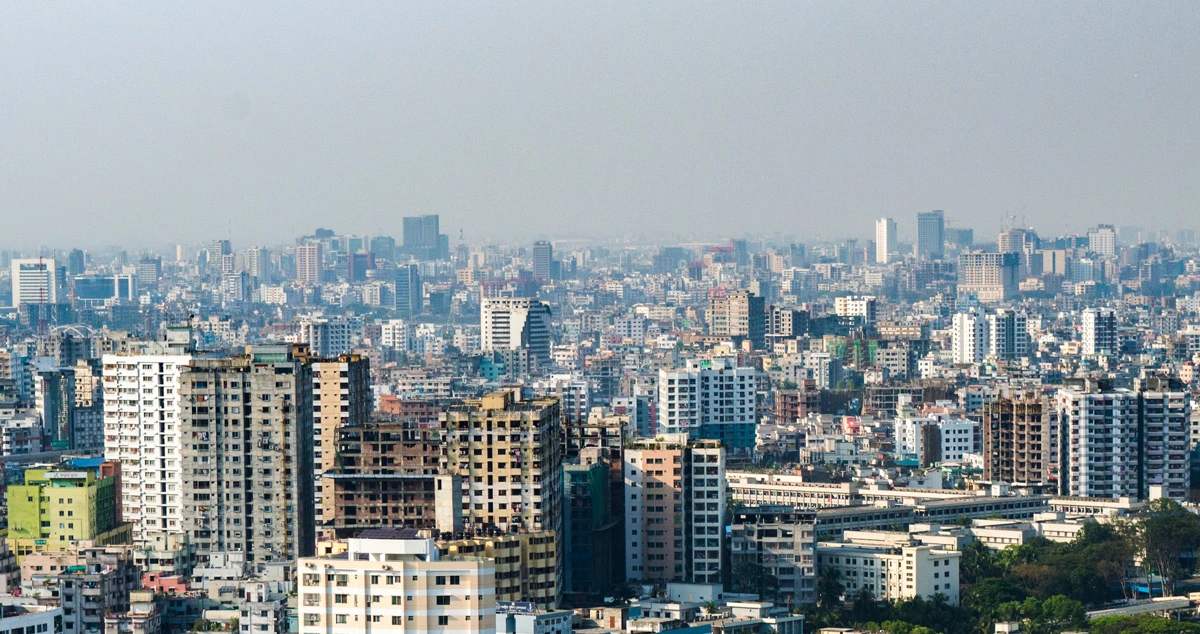
Following a series of moderate tremors felt across the country, including in the capital, Dhaka, fears of a major earthquake have risen. Geologists and weather experts are raising alarms, noting that the recent tremors could serve as a warning sign of a more powerful earthquake in the near future. Experts believe that Bangladesh is at significant risk of experiencing a major earthquake, with a magnitude ranging from 7 to 8.
According to seismologists, earthquakes typically occur in three stages: Foreshock, Mainshock, and Aftershock. The recent tremor is being regarded as a foreshock, with a possibility of a larger tremor following in the coming hours or days. The geological experts have emphasized the importance of remaining on high alert.
The history of earthquakes in Bangladesh shows that the region has experienced powerful earthquakes in the past. In 1869, a 7.6 magnitude earthquake, known as the Cachar Earthquake, struck the region. Since then, other major earthquakes, including the 7.1 magnitude Bengal Earthquake in 1885 and the 8.1 magnitude Great Indian Earthquake in 1897, have been recorded. The most recent major earthquake occurred in 1918, with a 7.6 magnitude tremor in Srimangal.
While no major earthquakes have occurred in the country since 1930, experts warn that the accumulated energy over the past century could lead to a catastrophic event.
The Bangladesh Meteorological Department’s Earthquake Monitoring Center’s official, Rubaiyat Kabir, stated that this is the strongest tremor recorded in Dhaka in recent decades and serves as a reminder of Bangladesh’s vulnerability to earthquakes. Kabir added, “We cannot predict exactly when a major earthquake will occur, but we know that Bangladesh is at high risk.”
Experts suggest that powerful earthquakes typically occur at intervals of 100-125 years for those with a magnitude of 7 and 250-300 years for earthquakes with a magnitude of 8. They stress the need for the government to take preventive measures to reduce the potential damage of such a disaster.
Professor Mehdi Ahmed Ansari, a seismic expert at Bangladesh University of Engineering and Technology (BUET), warned that a 7 magnitude earthquake within a 100-kilometer radius could result in 100,000 to 300,000 casualties, with up to 35% of urban buildings collapsing. To mitigate the damage, Ansari recommends several immediate measures:
-
Building Classification: Buildings should be categorized into three color codes: Green (safe), Yellow (requires repairs), and Red (needs urgent strengthening).
-
Retrofitting Buildings: For Yellow and Red buildings, retrofitting is necessary to ensure they can withstand seismic activity. Countries like the USA, Japan, India, Turkey, and Chile have implemented such measures to save lives.
-
Structural Health Checks: Immediate structural health checks of buildings in Dhaka should be conducted, and high-risk areas should be mapped.
-
Rescue Routes: Establishing designated emergency routes that remain open to allow access for ambulances and fire services during an earthquake.
-
Strict Regulations for New Buildings: Enforcing strict regulations for the construction of new buildings to withstand earthquakes.
-
Earthquake Drills: Conducting regular earthquake drills in schools, offices, and residential areas at least twice a year to raise public awareness.
Experts urge the government and citizens alike to take these precautions seriously to minimize the potential loss of life and damage caused by a future earthquake.
Related News


You may like




Tom Holland Says Marvel Has a Plan for the Next Spider-Man
August 1, 2026
Elected News
-

Bangladesh Seeks UN Women Support on Digital Harassment and Women’s Empowerment
-

Bangladesh, Australia Discuss Human Trafficking, Irregular Migration and Rohingya Crisis
-

Bangladesh Plans Internet-Free Access to Mobile Banking and Financial Apps
-

DU to Open Undergraduate Admission Applications on 11 November, Tests Begin 5 December


