Govt to Form National Earthquake Taskforce, Train 100,000 Volunteers on PM Tarique Rahman's Directive
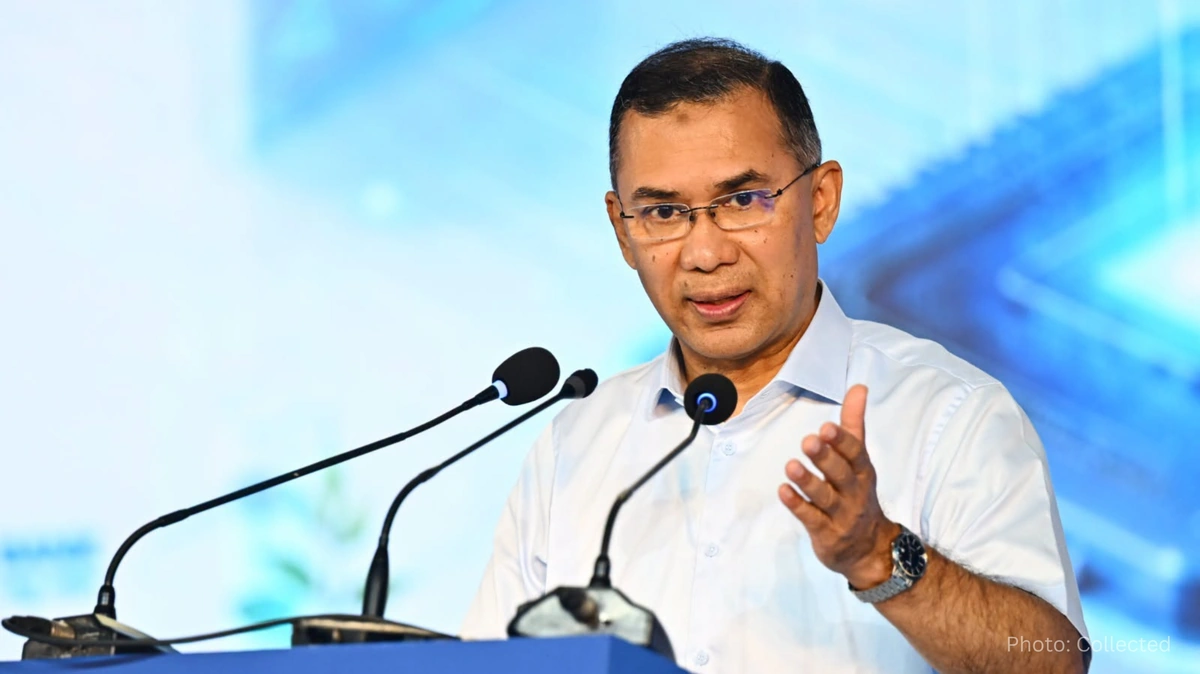
Prime Minister Tarique Rahman orders the creation of a national earthquake taskforce, a dedicated preparedness cell at the Prime Minister's Office, and the training of 100,000 emergency volunteers to strengthen Bangladesh's disaster response capacity.
The Bangladesh government has announced a series of major initiatives to strengthen the country's preparedness for earthquakes, following directives issued by Prime Minister Tarique Rahman during a high-level meeting on disaster readiness.
The Prime Minister instructed the relevant authorities to establish a national earthquake taskforce and train 100,000 volunteers to provide emergency response services across Dhaka and surrounding areas in the event of a major seismic disaster. The decisions were made during a meeting held at the Cabinet Division of the Bangladesh Secretariat on 29 July, where senior government officials reviewed the country's current earthquake preparedness and emergency response capabilities.
According to Prime Minister's Deputy Press Secretary Shahadat Hossain Shadhin, the meeting focused on improving post-earthquake emergency operations, strengthening coordination among government agencies, enhancing public awareness, and ensuring the availability of essential rescue equipment and logistics.
One of the key outcomes of the meeting was the decision to establish a dedicated earthquake preparedness cell at the Prime Minister's Office. The new unit will oversee planning, coordination, and implementation of disaster preparedness measures while monitoring progress on emergency response initiatives.
The government also plans to form a national taskforce that will coordinate efforts among various ministries, emergency services, law enforcement agencies, healthcare providers, and other stakeholders to ensure a faster and more organised response during earthquakes and other large-scale disasters.
Officials informed the meeting that preparations for the volunteer programme are already well underway. A database containing information on approximately 70,000 potential volunteers has already been completed, while work is continuing to identify and prepare the remaining 30,000 participants.
These volunteers are expected to receive specialised training in emergency rescue operations, first aid, evacuation procedures, disaster communication, and community-based response mechanisms. They will play an important role in assisting professional rescue teams during emergencies, particularly in densely populated urban areas where rapid response is critical.
In addition to expanding the volunteer network, the meeting discussed several measures aimed at increasing public awareness regarding earthquake safety. Authorities plan to promote preparedness campaigns that will educate citizens about evacuation procedures, emergency planning, and safety practices before, during, and after earthquakes.
The meeting also emphasised the importance of strengthening coordination between government institutions and private organisations to ensure a unified disaster response framework. Improved cooperation among public agencies, healthcare providers, humanitarian organisations, and private sector partners is expected to enhance the country's ability to manage large-scale emergencies effectively.
Another significant proposal discussed during the meeting was the establishment of Humanitarian Staging Areas (HSAs) across Dhaka. These designated locations would serve as operational hubs for emergency rescue teams, humanitarian agencies, and relief distribution following a major earthquake, enabling quicker deployment of personnel, equipment, medical assistance, and essential supplies.
Officials also reviewed the availability of specialised rescue equipment and logistical resources needed to respond to earthquake emergencies. The government aims to ensure that emergency responders have access to the necessary tools and infrastructure to conduct search-and-rescue operations efficiently while supporting affected communities during the critical hours after a disaster.
Bangladesh has long been considered vulnerable to seismic activity due to its location near several active tectonic fault lines. Rapid urbanisation, high population density, and the presence of numerous older buildings have increased concerns about the potential impact of a major earthquake, particularly in the capital.
The latest directives reflect the government's broader effort to strengthen national disaster preparedness and minimise the potential loss of life and property from future seismic events. By expanding emergency response capacity, improving institutional coordination, and investing in community-level preparedness, authorities hope to build a more resilient disaster management system capable of responding swiftly when needed.
The meeting was attended by Disaster Management and Relief Minister Asadul Habib Dulu, State Minister M Iqbal Hossain, State Minister for Health and Family Welfare MA Muhit, Principal Secretary to the Prime Minister ABM Abdus Sattar, Disaster Management and Relief Secretary Md Saidur Rahman Khan, along with other senior government officials involved in disaster management and emergency planning.
Related News



You may like




Tom Holland Says Marvel Has a Plan for the Next Spider-Man
August 1, 2026
Elected News
-
Bangladesh Seeks UN Women Support on Digital Harassment and Women’s Empowerment
-
Bangladesh, Australia Discuss Human Trafficking, Irregular Migration and Rohingya Crisis
-
Bangladesh Plans Internet-Free Access to Mobile Banking and Financial Apps
-
DU to Open Undergraduate Admission Applications on 11 November, Tests Begin 5 December


