US Warns Bangladeshi Applicants Against Advance Visa Bond Payments
The US Embassy in Bangladesh has cautioned visa applicants not to pay any visa bond before interviews, warning that advance payments neither ensure approval nor protect against fraud.
The United States has warned Bangladeshi visa applicants against paying any advance visa bond before attending visa interviews, stressing that such payments do not guarantee visa approval and may expose applicants to scams.
In a statement posted on its verified Facebook page on Monday, the US Embassy in Bangladesh said that paying a bond in advance does not ensure a visa and that third-party websites offering such services could be fraudulent.
“Paying early does not guarantee you a visa, and third-party sites can be scams,” the embassy said, adding that any payment made before a visa interview is non-refundable.
The embassy further clarified that a visa bond, if required, would be refunded only if the visa holder fully complies with all bond conditions, including timely departure from the United States.
The warning comes ahead of a new US policy effective from January 21, under which Bangladeshi citizens approved for B1/B2 (business and tourist) visas may be required to post an entry bond of up to $15,000. The rule will not apply to holders of valid B1/B2 visas issued before that date.
Earlier this month, the administration of Donald Trump added Bangladesh to a list of countries whose citizens may be required to post visa bonds, according to a January 6 report by Reuters citing the US State Department website.
Under the policy, eligible applicants may be asked to post $5,000, $10,000 or $15,000, with the final amount determined during the visa interview. Applicants must formally agree to the bond conditions and make payments only through the US Treasury Department’s official platform, Pay.gov.
The expanded list now includes 38 countries, mainly from Africa, Latin America and South Asia. US authorities say the bond requirement is intended to deter visa overstays by visitors entering the country for tourism or business purposes.
Related News



You may like




Tom Holland Says Marvel Has a Plan for the Next Spider-Man
August 1, 2026
Elected News
-
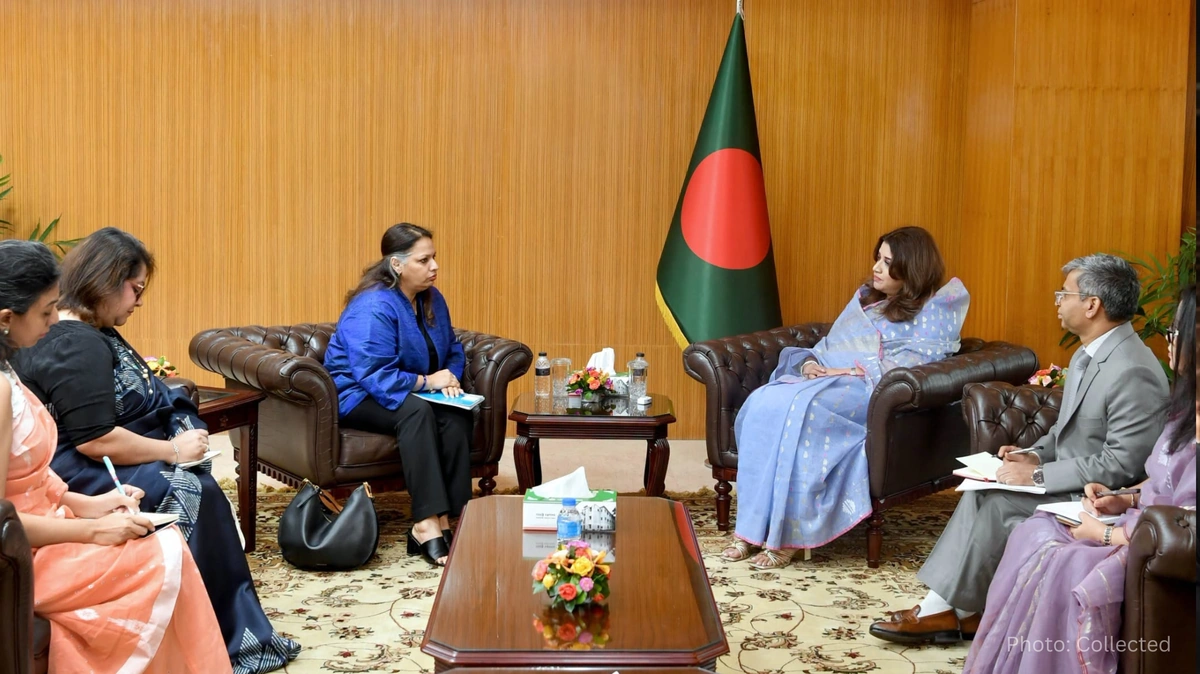
Bangladesh Seeks UN Women Support on Digital Harassment and Women’s Empowerment
-
Bangladesh, Australia Discuss Human Trafficking, Irregular Migration and Rohingya Crisis
-
Bangladesh Plans Internet-Free Access to Mobile Banking and Financial Apps
-
DU to Open Undergraduate Admission Applications on 11 November, Tests Begin 5 December


