SpaceX chip lenders seek ban on orbital data centre use
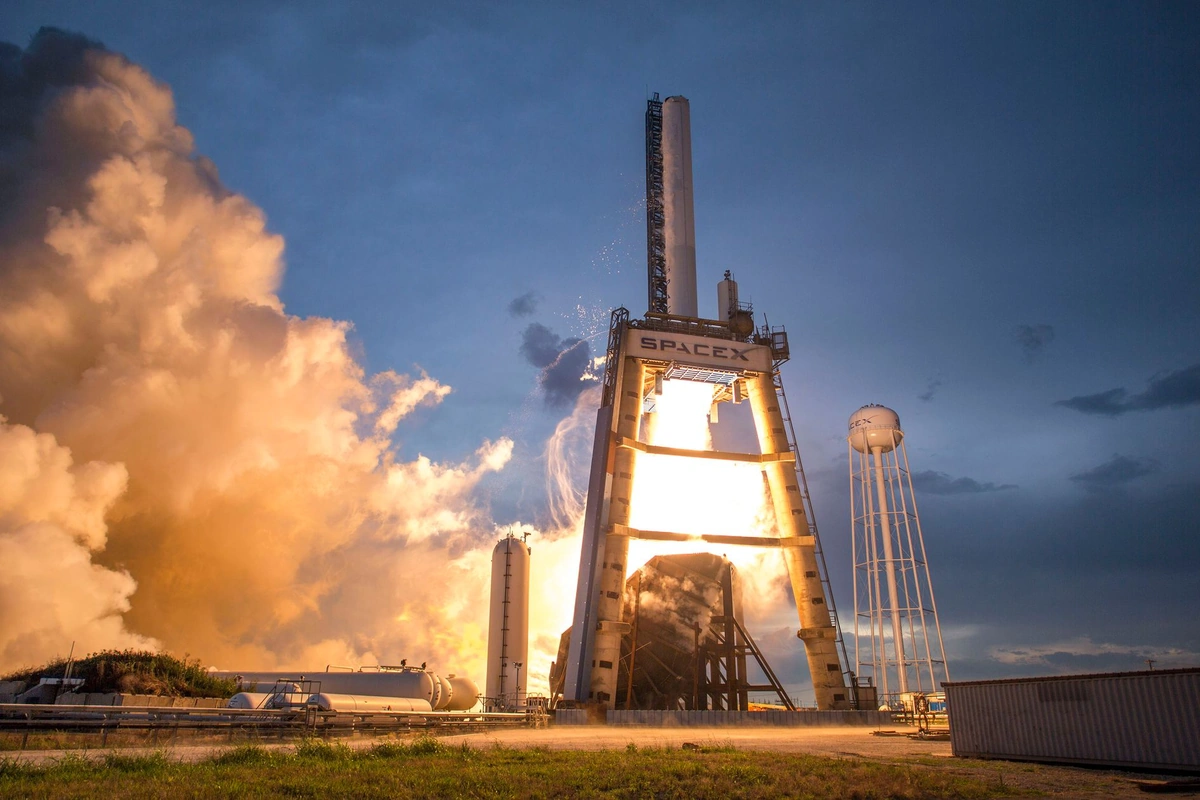
Lenders behind a $40 billion chip financing deal for SpaceX have reportedly requested that the purchased semiconductors stay out of orbit. The condition highlights growing financial anxieties surrounding the viability of space-based data infrastructure.
Financial institutions backing a $40 billion chip financing arrangement for SpaceX have asked that none of the purchased semiconductors be deployed in the company's orbital data centre initiatives. The Financial Times reported the provision, stemming from concerns that hardware sent into space cannot be easily repossessed if a borrower defaults on a loan.
The modern data centre ecosystem relies heavily on debt financing, where cloud providers borrow funds to construct facilities and subsequently service the debt using a share of their revenues. These agreements typically rely on the physical chips themselves serving as collateral. If a data centre defaults, creditors can seize the equipment and resell it on the secondary market to recover losses.
Data from Compute Credit Index Research indicates that older hardware retains significant market value, with some 2023 H100 models trading at roughly half of their original cost basis, and certain H200 configurations maintaining the exact prices established upon their 2024 launch. However, creditors note that repossessing equipment installed on a satellite travelling at high speeds hundreds of miles above the planet remains entirely unfeasible.
It remains unclear whether the lenders successfully secured SpaceX's agreement regarding the restriction on orbital deployment. Despite the reported stipulation, the company possesses lucrative terrestrial compute ground stations to maintain immediate operations. During a recent earnings call, Chief Executive Officer Elon Musk outlined plans to deploy engineers from the rocket division to accelerate terrestrial infrastructure development, addressing bottlenecks such as casting turbine blades for generators at speeds surpassing traditional suppliers.
Broader questions persist regarding the acquisition of sufficient land and electrical power to sustain terrestrial data centre expansion. Numerous prospective developments encounter regulatory delays and local resistance, while industry markets monitor compute demand trends and the capacity of buyers to generate consistent revenues. Musk stated at the start of 2026 that he anticipates space becoming the most cost-effective location to operate data centres within two to three years.
Realising that vision depends heavily on achieving full reusability for the company's Starship rocket system. During a recent flight test in the United States, the firm failed to retrieve the booster stage, though it successfully landed the orbital stage back at a launch facility in Texas. Uncertainty surrounds the timeline for the next flight of the second stage and the financial investment required to prepare the hardware for subsequent missions.
Beyond launch capabilities, SpaceX and other aerospace ventures must secure steady semiconductor supplies. To mitigate external supply chain pressures, SpaceX and Tesla are collaborating to construct a domestic semiconductor foundry named Terafab. The facility has not yet broken ground in the U.S. and will demand years of development and billions of dollars before reaching commercial production scale.
You may like
BepiColombo spacecraft arrives at Mercury after eight-year journey
November 20, 2026

Russian cruise missile strikes Poland during military exercises
November 20, 2026
Anthropic CEO Dario Amodei says AI can accelerate drug discovery
November 20, 2026
Bangladesh targets December for Malaysia worker flight resumption
November 20, 2026
Elected News
-
Bangladesh Seeks UN Women Support on Digital Harassment and Women’s Empowerment
-
Bangladesh, Australia Discuss Human Trafficking, Irregular Migration and Rohingya Crisis
-
Bangladesh Plans Internet-Free Access to Mobile Banking and Financial Apps
-

DU to Open Undergraduate Admission Applications on 11 November, Tests Begin 5 December


