Bangladesh pushes for climate grants and technology at COP31
By Climate Desk
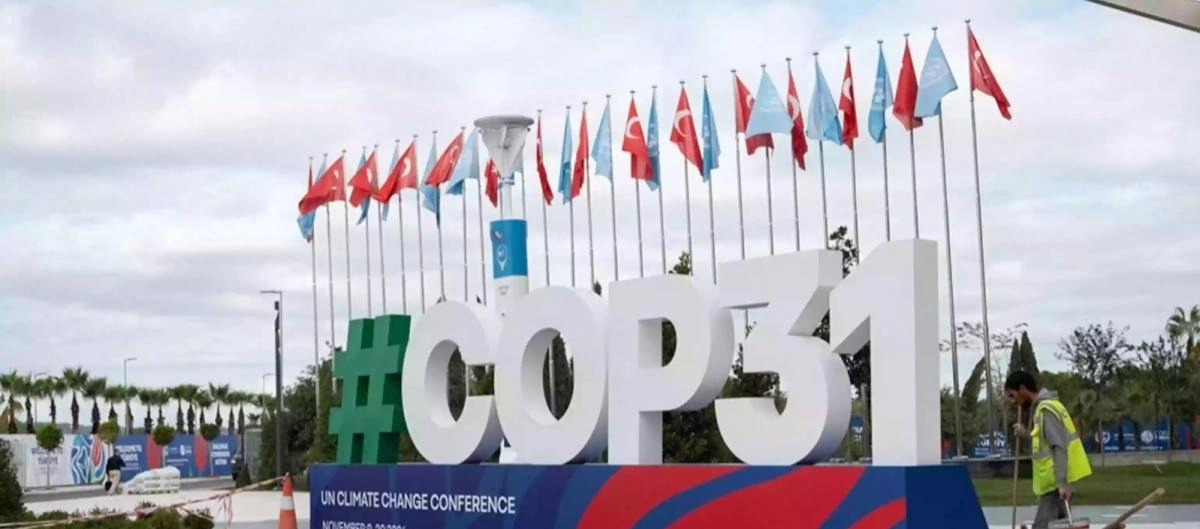
Bangladesh is participating in COP31 in Antalya to advocate for climate financing, grants, and technology transfer. The nation aims to secure tangible support to address climate-induced losses and damage while pushing for a just transition in the energy sector.
Bangladesh is participating in the COP31 climate summit in Antalya with a primary focus on securing grants, technology transfers, and financial support to mitigate the impacts of climate change. As the nation faces mounting threats from cyclones, floods, salinity, and rising sea levels, officials are pushing for concrete financial commitments rather than further pledges.
Experts suggest that Bangladesh’s priorities at the summit should centre on obtaining direct grants instead of loan-based financing, which could increase the country's debt burden. There is also a strong emphasis on gaining easier access to adaptation funds and securing resources specifically for climate-induced losses and damage.
Professor Ainun Nishat noted that the summit is divided into two primary spheres: the Blue Zone, where heads of state and government representatives negotiate global policies and the Paris Agreement, and the Green Zone, which hosts civil society, NGOs, and other organisations to present their demands. He emphasised that diplomatic engagement at the state level by the head of government, the environment minister, and relevant secretaries remains the most effective way for Bangladesh to advance its national interests.
M A Hasan of the Coast Foundation argued that the success of the summit should not be measured by the total amount pledged, but by the source, timing, conditions, and recipients of the funds. He stated that countries of the Global South are demanding climate justice rather than charity, noting that financing arrangements must not prioritise the interests of lenders over the needs of vulnerable populations. He added that taking on additional debt to protect citizens from climate impacts is unacceptable.
International politics, including global conflicts and the stance of major economies, continue to complicate climate financing. Professor AKM Saiful Islam of the Institute of Water and Flood Management at the Bangladesh University of Engineering and Technology (BUET) highlighted that the global community faces a target of $300 billion in annual climate finance by 2035, with a long-term goal of $1.3 trillion. He warned that achieving these targets remains difficult amid current geopolitical and economic uncertainties, including the impact of major powers' positions on international cooperation.
Domestically, the government has outlined an ambitious environmental programme. Dr Saimum Parvez stated that plans are in place to plant 250 million trees and excavate or re-excavate 20,000 kilometres of canals over the next five years. These efforts are part of a broader strategy to transition towards renewable energy while protecting the livelihoods of existing workers and creating new green jobs. The government is also focusing on waste management, methane emission reduction, and the promotion of environmentally friendly industries.
Bangladesh has already made progress in disaster preparedness through early warning systems for cyclones and floods, active volunteer networks, salt-tolerant crops, and floating agriculture. These initiatives are intended to serve as examples for other climate-vulnerable nations. Dr Atiq Rahman emphasised that Bangladesh should not focus solely on its national interests but also highlight the collective demands of the least developed countries (LDCs) and other climate-vulnerable nations to strengthen its bargaining position.
Despite these efforts, the country faces a challenging landscape. The report noted that Bangladesh did not secure any significant country-specific financial commitments or major visible achievements at the previous COP30 summit in Belem, Brazil. Consequently, the government is intensifying its bilateral and multilateral diplomatic efforts to ensure that international promises translate into tangible assistance at this year's conference in Antalya.
Related News
You may like
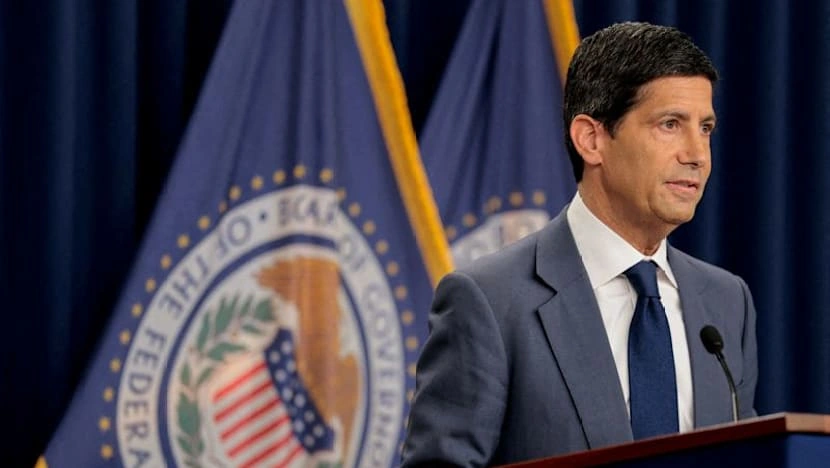
Fed hosts AI forum as officials warn of job market disruptions
November 13, 2026
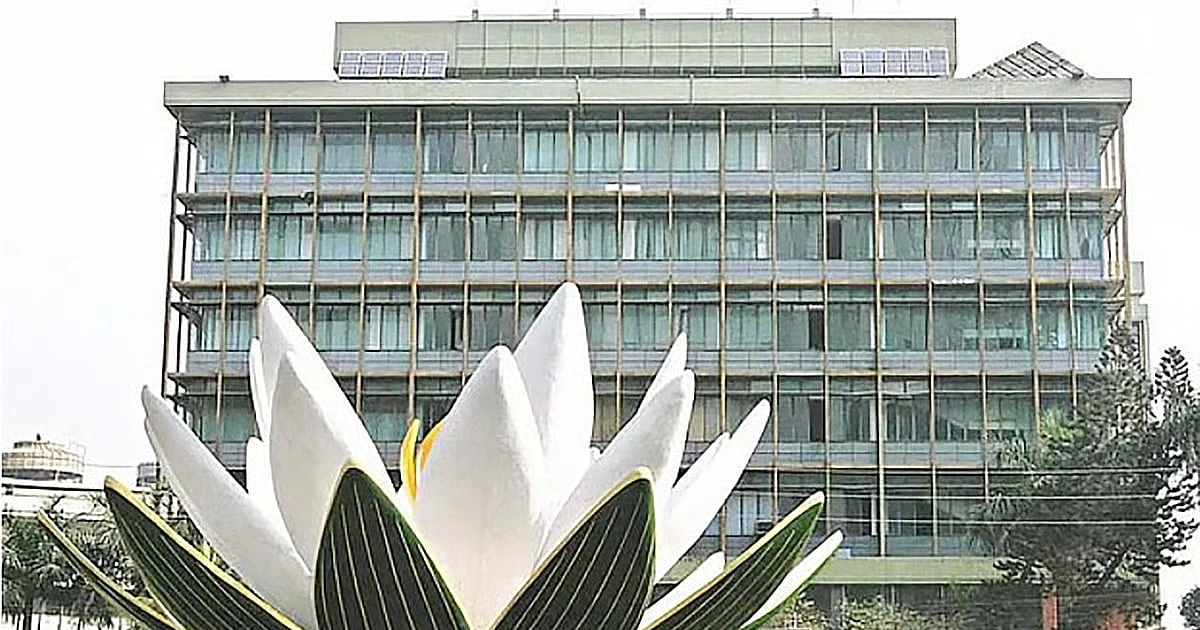
Bangladesh Bank launches Tk 15 billion fund for small loans
November 13, 2026
Bangladesh pushes for climate grants and technology at COP31
November 13, 2026

Trump AI task force reviews safety standards amid expiring cyber law
November 13, 2026
Elected News
-
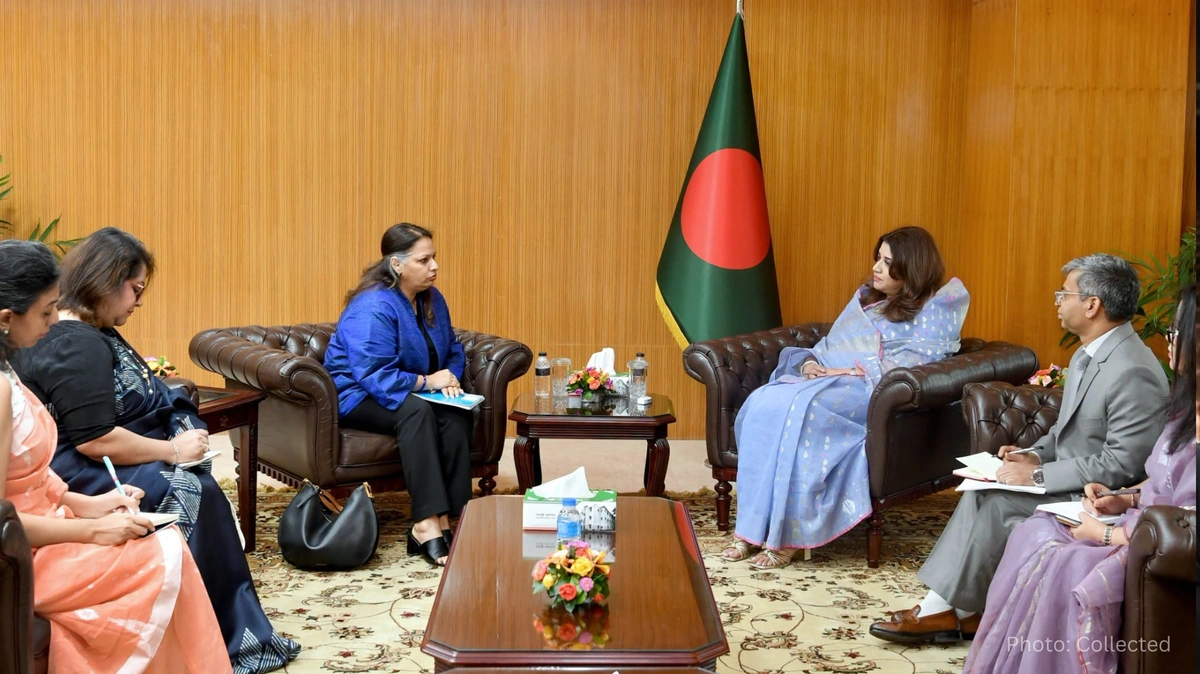
Bangladesh Seeks UN Women Support on Digital Harassment and Women’s Empowerment
-
Bangladesh, Australia Discuss Human Trafficking, Irregular Migration and Rohingya Crisis
-

Bangladesh Plans Internet-Free Access to Mobile Banking and Financial Apps
-
DU to Open Undergraduate Admission Applications on 11 November, Tests Begin 5 December


