Climate Migration and Internal Displacement Rise as Environmental Pressures Reshape Human Settlement
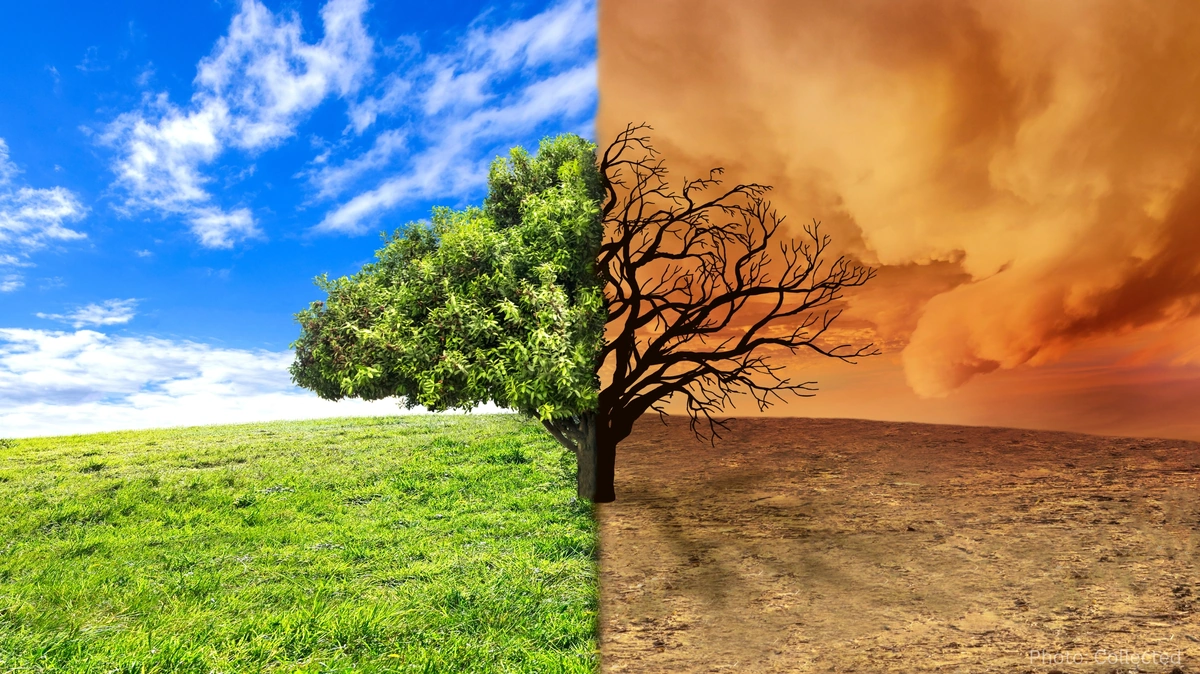
Increasing climate-related disasters, including floods, cyclones, droughts, and river erosion, are forcing millions of people to relocate within their own countries, raising urgent concerns about long-term displacement, urban pressure, and humanitarian response systems.
Climate migration and internal displacement are emerging as one of the most pressing humanitarian challenges of the 21st century, as environmental degradation and extreme weather events increasingly force people to leave their homes. Unlike traditional migration driven by economic or political factors, climate-induced displacement is directly linked to rising temperatures, sea-level rise, and more frequent natural disasters.
Experts warn that the scale of climate displacement is expected to grow significantly in the coming decades as global warming accelerates and vulnerable regions face worsening environmental conditions. Low-lying coastal areas, river basins, drought-prone zones, and densely populated informal settlements are among the most affected regions.
Internal displacement occurs when people are forced to move within their own country rather than crossing international borders. In many cases, affected populations relocate temporarily after disasters such as cyclones or floods. However, repeated or prolonged environmental stress often leads to permanent relocation, reshaping demographic patterns and urban growth.
In South Asia, including Bangladesh, climate-induced displacement is already a visible reality. Frequent river erosion, cyclonic storms, salinity intrusion in coastal districts, and seasonal flooding have displaced hundreds of thousands of people over time. Many displaced families migrate to urban centers in search of safety and livelihood opportunities, contributing to rapid urban expansion and increased pressure on infrastructure and services.
Urban areas such as Dhaka are experiencing growing challenges due to this influx of climate migrants. Informal settlements continue to expand as displaced populations settle in low-cost, high-density neighborhoods. This rapid urbanization places additional strain on housing, sanitation, healthcare, education, and transportation systems.
Environmental researchers note that climate migration is not a sudden phenomenon but a gradual process driven by repeated exposure to environmental shocks. Families often attempt to adapt in their original locations before eventually being forced to move when livelihoods become unsustainable.
Agriculture-dependent communities are particularly vulnerable. Changes in rainfall patterns, soil salinity, and water availability directly affect crop production and food security, reducing income opportunities and increasing migration pressure. Fishermen in coastal regions are also impacted by rising sea levels and changing marine ecosystems.
Climate-induced displacement is not limited to rural populations. Urban residents are also affected when cities experience extreme heat, flooding, or infrastructure breakdowns. Poor urban planning and inadequate drainage systems can worsen the impact of heavy rainfall, forcing temporary evacuations and disrupting daily life.
Humanitarian organizations emphasize that climate migrants often face complex challenges upon relocation. These include lack of legal recognition, limited access to public services, employment difficulties, housing insecurity, and social marginalization. In many cases, displaced populations remain in vulnerable conditions for extended periods.
Governments and development agencies are increasingly recognizing the need for structured policy responses to climate displacement. Disaster risk reduction strategies, early warning systems, resilient infrastructure development, and climate adaptation planning are being integrated into national frameworks to reduce vulnerability.
Experts also highlight the importance of planned relocation in extreme cases where returning to original settlements is no longer viable. However, such relocation efforts require careful planning, community participation, and adequate resources to ensure sustainable outcomes.
International discussions on climate migration have intensified in recent years, with growing calls for global cooperation and financial support for vulnerable countries. While climate displacement is primarily internal, its cross-border implications are becoming a concern in regions facing severe environmental stress.
In Bangladesh, policy makers and environmental experts are focusing on strengthening coastal protection measures, improving river management systems, and expanding climate-resilient infrastructure. Investments in embankments, cyclone shelters, and sustainable agriculture are aimed at reducing displacement risks and supporting vulnerable communities.
Education and awareness programs are also being promoted to help communities better understand climate risks and adaptation strategies. Local participation is considered essential in designing effective responses, as affected populations often possess valuable knowledge about environmental changes and coping mechanisms.
At the same time, climate scientists stress that reducing global greenhouse gas emissions remains the most effective long-term solution to limit future displacement. Without significant global action, the frequency and intensity of climate-related disasters are expected to increase, potentially displacing millions more people worldwide.
In conclusion, climate migration and internal displacement represent a growing global challenge with profound social, economic, and humanitarian implications. As environmental pressures continue to intensify, coordinated efforts at local, national, and international levels will be essential to protect vulnerable populations, strengthen resilience, and ensure that displaced communities are supported with dignity and opportunity.
Related News

You may like




Tom Holland Says Marvel Has a Plan for the Next Spider-Man
August 1, 2026
Elected News
-
Bangladesh Seeks UN Women Support on Digital Harassment and Women’s Empowerment
-
Bangladesh, Australia Discuss Human Trafficking, Irregular Migration and Rohingya Crisis
-
Bangladesh Plans Internet-Free Access to Mobile Banking and Financial Apps
-
DU to Open Undergraduate Admission Applications on 11 November, Tests Begin 5 December


