BUET Team Develops Bangladesh's First Open-Source 32-Bit RISC-V Processor
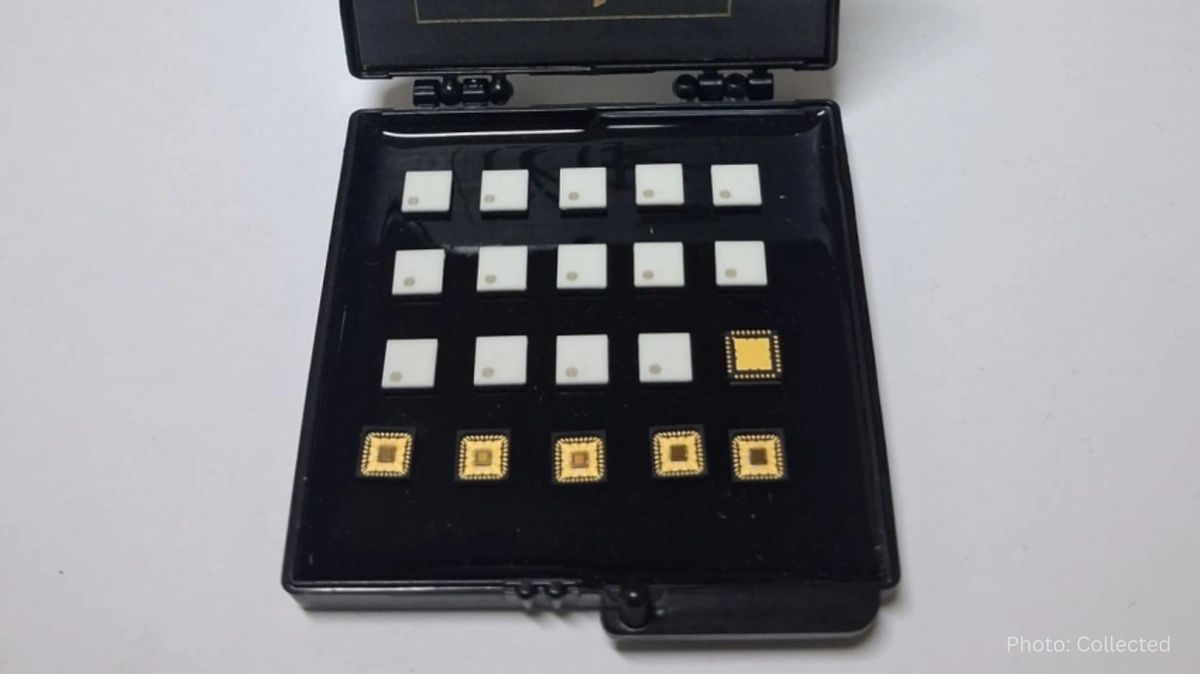
A team from Bangladesh University of Engineering and Technology (BUET) has successfully designed a 32-bit processor using entirely open-source technologies, marking a significant milestone in the country's semiconductor research and paving the way for future locally developed computing solutions.
A research team from the Bangladesh University of Engineering and Technology (BUET) has achieved a major breakthrough in the country's semiconductor sector by designing a 32-bit computer processor built entirely with open-source technologies. The accomplishment represents a significant step toward strengthening Bangladesh's capabilities in advanced chip design and hardware innovation.
The processor is based on the RISC-V instruction set architecture, an open-source platform that has rapidly gained global recognition as an alternative to proprietary processor architectures. Unlike conventional chip technologies that require licensing fees, RISC-V allows researchers, universities, startups, and technology companies to freely develop and customize processors, making advanced semiconductor research more accessible.
According to Professor A. B. M. Harun-Ur-Rashid of BUET's Department of Electrical and Electronic Engineering, the processor was designed by undergraduate students Md. Khalid Hossain and Sheikh Tariful Islam. The project demonstrates the growing research potential of Bangladeshi engineering students in one of the world's most competitive technology sectors.
The team developed a complete System on Chip (SoC), integrating the essential components required to operate a computing device on a single microchip. The processor was designed, verified, and prepared for fabrication entirely using free and open-source Electronic Design Automation (EDA) software. These specialized software tools are essential for designing, simulating, and validating integrated circuits before manufacturing. Commercial EDA platforms often carry substantial licensing costs, creating barriers for many educational and research institutions.
The fabricated chip was produced by Germany's IHP – Leibniz Institute for High Performance Microelectronics, which supported the initiative by manufacturing the processor free of charge. The institute backed the project as part of its commitment to promoting fully open-source hardware development. Following fabrication and customs clearance, the completed chip has now arrived at BUET for the next phase of evaluation.
Professor Harun said the overall development process required approximately one year, while the fabrication itself took nearly four months to complete.
The newly manufactured processor will now undergo comprehensive testing with technical assistance from iTest Bangladesh Limited, utilizing facilities operated by iTEST, Inc. in San Jose, California. The testing phase is expected to verify the processor's functionality, reliability, and performance before it can be considered for practical deployment.
One of the project's lead developers, Md. Khalid Hossain, said the idea originated from observing the electronics inside an air conditioner, inspiring the team to explore the possibility of building locally designed processors for consumer products.
He said the long-term objective is to integrate the processor into electronic products manufactured by Bangladeshi companies. However, he noted that additional testing and further engineering work will be necessary before commercial applications become possible. The validation process is expected to take approximately three months.
The project also received technical support from Neural Semiconductor Limited (NSL), a Bangladesh-based semiconductor company that provided research fellowships for the undergraduate students involved in the development. NSL engineers AKM Uday Hasan Bhuiyan and ABM Tafsirul Islam also contributed technical expertise during various stages of the project.
The achievement comes as countries worldwide continue investing heavily in semiconductor research and advanced chip technologies to meet rising demand from industries including consumer electronics, telecommunications, automotive manufacturing, cloud computing, and artificial intelligence.
At the same time, open-source hardware platforms such as RISC-V are transforming the semiconductor landscape by lowering development costs and enabling universities, startups, and emerging technology companies to participate in processor innovation without relying on expensive proprietary technologies.
Although Bangladesh does not yet possess a large-scale semiconductor manufacturing industry, the successful design of an open-source processor demonstrates the country's growing technical capabilities in integrated circuit development. Experts believe such achievements could strengthen Bangladesh's position in the global semiconductor ecosystem by encouraging further research, attracting international collaboration, and supporting the development of a skilled workforce in chip design and embedded systems.
The project also highlights the increasing role of academic institutions in advancing high-value technological innovation. By combining open-source software, international collaboration, and local engineering expertise, BUET's processor development marks an important milestone that could inspire future semiconductor research and contribute to Bangladesh's long-term ambitions in advanced electronics and digital technology.
Related News





You may like




Tom Holland Says Marvel Has a Plan for the Next Spider-Man
August 1, 2026
Elected News
-
Bangladesh Seeks UN Women Support on Digital Harassment and Women’s Empowerment
-
Bangladesh, Australia Discuss Human Trafficking, Irregular Migration and Rohingya Crisis
-
Bangladesh Plans Internet-Free Access to Mobile Banking and Financial Apps
-
DU to Open Undergraduate Admission Applications on 11 November, Tests Begin 5 December


