Cyclone Preparedness Guide: How Communities Can Stay Safe Before, During and After a Storm
As cyclone seasons become increasingly unpredictable due to changing climate patterns, disaster management experts are urging individuals and communities to strengthen preparedness measures to reduce risks and protect lives, property, and livelihoods.
Cyclones remain among the most destructive natural disasters affecting coastal regions around the world. Characterized by powerful winds, heavy rainfall, storm surges, and widespread flooding, these weather systems can cause extensive damage within a matter of hours. In countries such as Bangladesh, where millions of people live in vulnerable coastal areas, cyclone preparedness is considered a critical component of disaster risk reduction.
Over the past several decades, improvements in forecasting, early warning systems, and emergency response planning have significantly reduced cyclone-related fatalities. However, experts warn that effective preparedness at the household and community levels remains essential for minimizing the impact of severe storms.
Disaster management authorities recommend that families develop emergency plans well before cyclone season begins. Knowing evacuation routes, identifying the nearest cyclone shelter, and establishing communication plans with family members can help ensure a faster and more organized response when warnings are issued.
One of the first steps in cyclone preparedness is staying informed. Residents in vulnerable areas are encouraged to monitor weather forecasts regularly through television, radio, mobile alerts, official government announcements, and trusted news sources. Early warnings provide valuable time to secure property and move to safer locations if necessary.
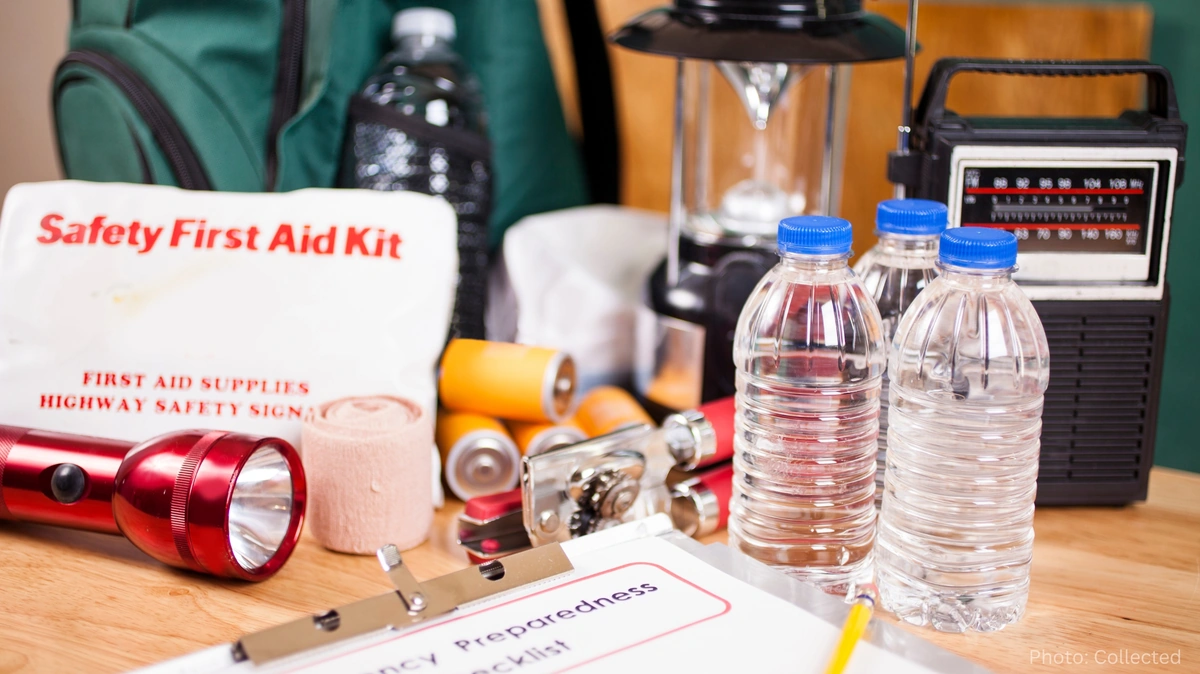
Emergency supply kits are another important aspect of preparedness. Experts advise households to maintain a stock of essential items, including drinking water, dry food, medicines, first-aid supplies, flashlights, batteries, power banks, important documents, and basic sanitation products. These supplies can prove vital if transportation and utility services are disrupted.
Homeowners are encouraged to inspect and strengthen their houses before cyclone season. Loose roofing materials, weak doors, unsecured windows, and unstable structures can become dangerous during high winds. Reinforcing vulnerable sections of a home can significantly reduce storm-related damage.
Special attention should be given to vulnerable family members, including children, older adults, pregnant women, and individuals with disabilities. Families should ensure that their specific medical, nutritional, and mobility needs are incorporated into emergency planning.
Livestock and agricultural assets are also at risk during cyclones. Farmers are often advised to relocate animals to elevated areas, secure farming equipment, and harvest mature crops when possible if severe weather warnings are issued in advance.
When authorities issue evacuation orders, disaster experts stress the importance of acting immediately. Delaying evacuation can increase exposure to storm surges, flash floods, and high winds. Cyclone shelters are specifically designed to withstand extreme weather conditions and provide safer refuge during emergencies.
During a cyclone, individuals should remain indoors or inside designated shelters and avoid unnecessary movement. Doors and windows should be kept securely closed, and people should stay away from glass surfaces that may shatter under strong winds.
Flooding often accompanies cyclones and presents additional dangers. Fast-moving water can be deceptively powerful, capable of sweeping away vehicles, damaging infrastructure, and endangering lives. Residents are advised not to walk, swim, or drive through floodwaters under any circumstances.
Communication remains essential throughout an emergency. Mobile phones should be charged in advance, and battery-powered radios can provide critical updates if electricity and internet services become unavailable.
The danger does not end when the cyclone passes. Post-storm conditions can include damaged power lines, weakened buildings, contaminated water supplies, and debris-covered roads. Authorities recommend waiting for official clearance before returning to evacuated areas.
Health precautions are equally important after a cyclone. Floodwaters can increase the risk of waterborne diseases, making access to safe drinking water and proper sanitation a priority. Medical attention should be sought immediately for injuries or signs of illness.
Community cooperation often plays a decisive role in disaster recovery. Local volunteers, emergency responders, and humanitarian organizations frequently assist affected populations with rescue operations, relief distribution, and rebuilding efforts.
Bangladesh has gained international recognition for its advances in cyclone preparedness, particularly through investments in early warning systems, volunteer networks, and cyclone shelters. Experts note that continued public awareness and preparedness training remain crucial as climate change increases the likelihood of more intense weather events.
In conclusion, cyclone preparedness is not limited to government agencies or emergency services it requires active participation from individuals, families, and communities. By planning ahead, staying informed, and responding promptly to official warnings, people can significantly reduce risks and improve their ability to withstand and recover from severe storms. As climate-related challenges continue to evolve, preparedness remains one of the most effective tools for protecting lives and building resilient communities.
Related News





You may like




Tom Holland Says Marvel Has a Plan for the Next Spider-Man
August 1, 2026
Elected News
-
Bangladesh Seeks UN Women Support on Digital Harassment and Women’s Empowerment
-
Bangladesh, Australia Discuss Human Trafficking, Irregular Migration and Rohingya Crisis
-
Bangladesh Plans Internet-Free Access to Mobile Banking and Financial Apps
-
DU to Open Undergraduate Admission Applications on 11 November, Tests Begin 5 December


