Heatwaves and the Urban Heat Island Effect Intensify Climate Challenges in Cities
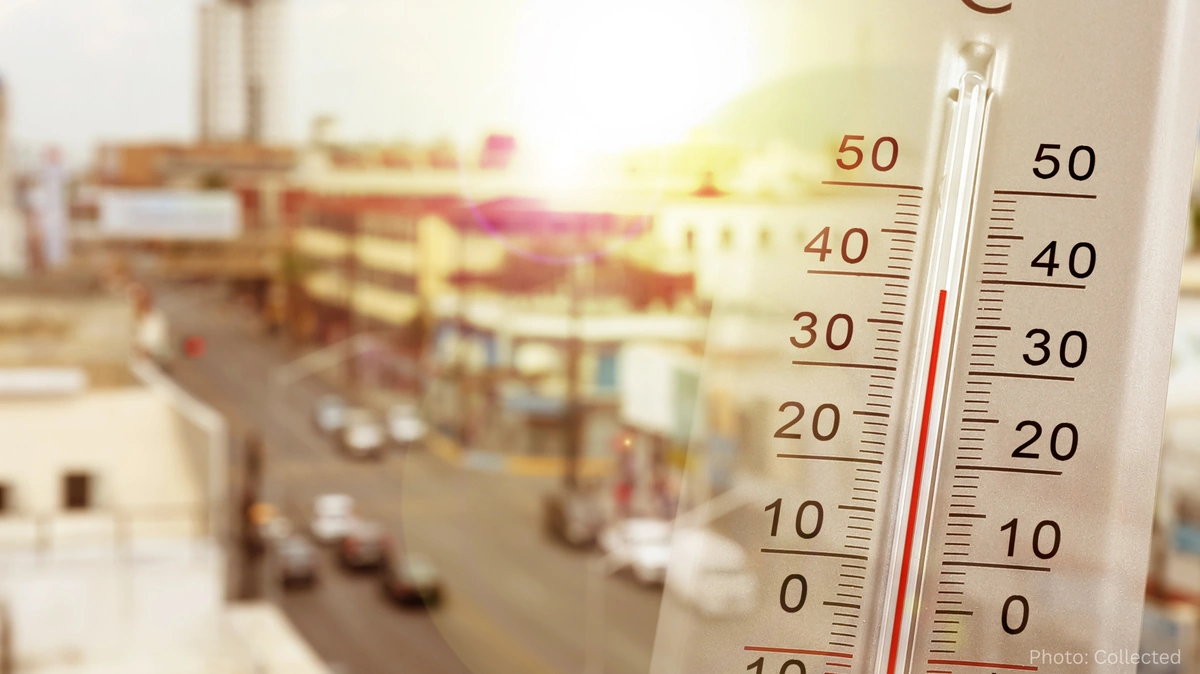
Rising temperatures and expanding urban development are increasing the frequency and severity of heatwaves in cities worldwide, with experts warning that the urban heat island effect is amplifying health risks, energy demand, and environmental pressures.
Cities across the world are experiencing increasingly intense heatwaves as climate change and rapid urbanization combine to create hotter and more challenging living conditions. Scientists and urban planners warn that the urban heat island effect a phenomenon where urban areas become significantly warmer than surrounding rural regions is worsening the impact of extreme heat events and posing growing risks to public health, infrastructure, and economic productivity.
Heatwaves occur when temperatures remain unusually high for an extended period, often lasting several days or even weeks. In recent years, many countries have recorded record-breaking temperatures, raising concerns about the long-term implications of a warming climate.
The urban heat island effect plays a major role in intensifying these conditions. Cities contain large concentrations of concrete, asphalt, steel, and glass, materials that absorb and retain heat during the day and release it slowly at night. As a result, urban areas often remain significantly warmer than nearby rural locations, especially after sunset.
Environmental experts note that the loss of natural vegetation further contributes to the problem. Trees and green spaces help cool the environment through shade and evapotranspiration, a process in which plants release moisture into the air. However, rapid urban expansion frequently reduces green cover, limiting these natural cooling effects.
For millions of city residents, prolonged exposure to extreme heat can create serious health concerns. Heat exhaustion, heatstroke, dehydration, and cardiovascular complications become more common during heatwaves, particularly among older adults, children, outdoor workers, and individuals with pre-existing medical conditions.
Public health authorities increasingly view extreme heat as a major environmental health threat. Hospitals and emergency services often experience increased demand during periods of exceptionally high temperatures, especially when heatwaves persist for several consecutive days.
Energy systems also come under pressure during heatwaves. Increased use of air conditioners, fans, and cooling equipment can significantly raise electricity demand, sometimes straining power grids and increasing the risk of outages. In many cities, energy consumption reaches seasonal peaks during periods of extreme heat.
Bangladesh, like many developing countries, is becoming increasingly vulnerable to rising temperatures. Urban centers such as Dhaka have experienced growing concerns regarding heat stress, population density, limited green spaces, and infrastructure challenges that can intensify the urban heat island effect.
Researchers warn that low-income communities are often disproportionately affected. Residents living in densely populated neighborhoods may have limited access to cooling facilities, green spaces, and heat-resistant housing, increasing their exposure to dangerous temperatures.
Economic impacts are also becoming more apparent. Heatwaves can reduce worker productivity, disrupt transportation systems, and increase operational costs for businesses. Outdoor industries such as construction, agriculture, and logistics are particularly vulnerable to prolonged periods of extreme heat.
Urban planners and environmental experts are advocating for a range of mitigation strategies. Expanding urban green spaces, planting more trees, creating parks, and preserving natural ecosystems can help lower temperatures and improve overall environmental quality.
Innovative building designs are also gaining attention. Cool roofs, reflective building materials, improved insulation, and energy-efficient architecture can reduce heat absorption and lower indoor temperatures. Such measures not only improve comfort but also reduce energy consumption.
Governments and municipalities are increasingly developing heat action plans to prepare for extreme weather events. These plans often include public awareness campaigns, early warning systems, emergency cooling centers, and targeted support for vulnerable populations.
Climate adaptation specialists emphasize that long-term planning is essential as global temperatures continue to rise. Investments in sustainable urban development, resilient infrastructure, and climate-smart policies can help cities better manage future heat-related challenges.
At the same time, experts stress that addressing the root causes of climate change remains critical. Reducing greenhouse gas emissions, transitioning to cleaner energy sources, and promoting sustainable development are viewed as essential steps toward limiting future temperature increases.
Public awareness is also playing a growing role. Health officials encourage residents to stay hydrated, avoid unnecessary outdoor activities during peak heat hours, wear appropriate clothing, and monitor vulnerable family members during heatwaves.
In conclusion, heatwaves and the urban heat island effect are emerging as major challenges for modern cities. As climate change accelerates and urban populations continue to grow, the need for effective adaptation measures, sustainable city planning, and climate resilience strategies has become increasingly urgent. Protecting urban populations from extreme heat will require coordinated action from governments, businesses, communities, and individuals to create safer, healthier, and more sustainable cities for the future.
Related News


You may like




Tom Holland Says Marvel Has a Plan for the Next Spider-Man
August 1, 2026
Elected News
-
Bangladesh Seeks UN Women Support on Digital Harassment and Women’s Empowerment
-
Bangladesh, Australia Discuss Human Trafficking, Irregular Migration and Rohingya Crisis
-
Bangladesh Plans Internet-Free Access to Mobile Banking and Financial Apps
-
DU to Open Undergraduate Admission Applications on 11 November, Tests Begin 5 December


