Organic Farming and Food Safety Gain Attention as Consumers Demand Healthier Agriculture
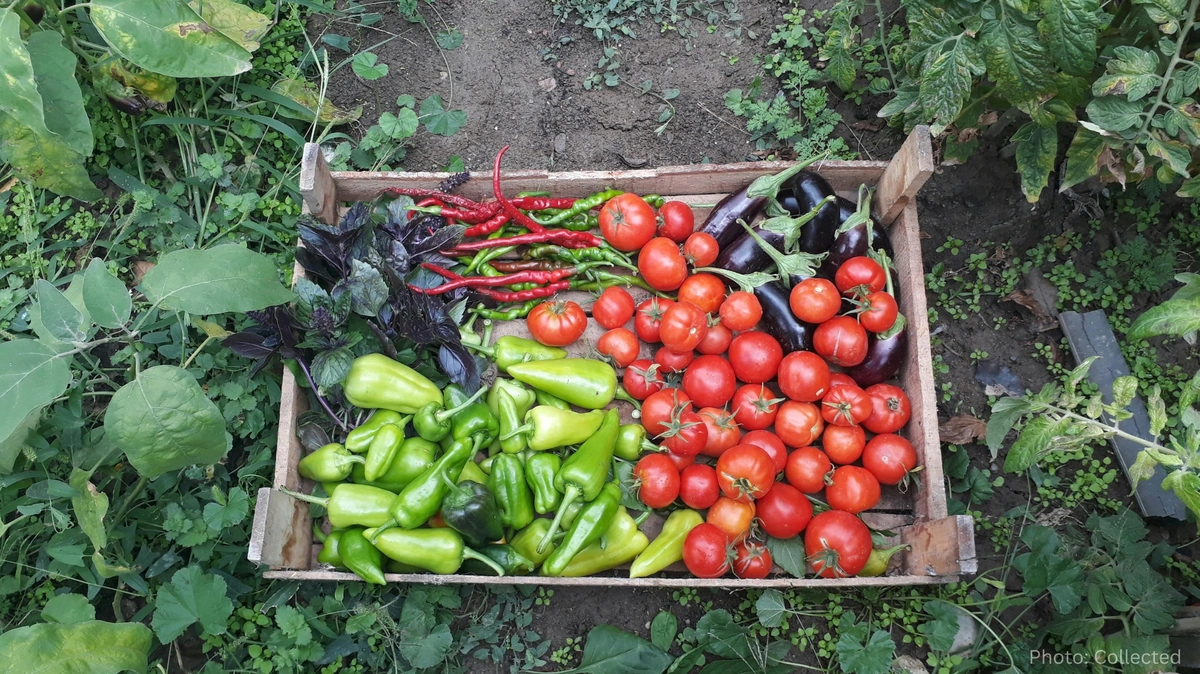
Rising concerns over chemical use in agriculture and food contamination are driving greater interest in organic farming practices, with experts highlighting its potential to improve food safety, environmental sustainability, and public health.
Organic farming is gaining renewed attention worldwide as consumers, policymakers, and agricultural experts increasingly focus on food safety, environmental protection, and sustainable agricultural practices. With growing concerns over pesticide residues, chemical fertilizers, and food contamination, organic agriculture is emerging as an important alternative to conventional farming systems.
Organic farming is an agricultural method that relies on natural processes, compost-based fertilizers, crop rotation, biological pest control, and ecological balance rather than synthetic chemicals. The approach aims to produce healthier food while maintaining soil fertility and protecting biodiversity.
Food safety has become a major global concern in recent years. Studies and public health reports have raised awareness about the potential risks associated with excessive pesticide use and chemical residues in food products. As a result, consumers are increasingly seeking organically produced fruits, vegetables, grains, and dairy products.
Experts say that organic farming can contribute to long-term soil health by improving soil structure, increasing microbial activity, and reducing chemical dependency. Healthy soil is essential for sustainable food production, as it supports plant growth and helps retain water and nutrients.
Environmental benefits are another key advantage of organic agriculture. Reduced use of synthetic fertilizers and pesticides helps minimize soil and water pollution, protects ecosystems, and supports biodiversity. Natural farming practices also reduce greenhouse gas emissions associated with chemical production and intensive farming systems.
In countries like Bangladesh, agriculture plays a critical role in the economy and food security. However, concerns over excessive chemical use, soil degradation, and declining crop quality have led to increased interest in organic and eco-friendly farming methods.
Farmers in rural areas are gradually adopting organic practices, often with support from government programs, non-governmental organizations, and agricultural extension services. Training initiatives are helping farmers learn composting techniques, integrated pest management, and natural soil enrichment methods.
Despite its benefits, organic farming faces several challenges. Lower initial yields during the transition period, lack of certification systems, limited market access, and higher production costs can discourage farmers from switching to organic methods. Experts emphasize the need for policy support, financial incentives, and awareness campaigns to promote wider adoption.
Market demand is a key factor driving the growth of organic agriculture. Urban consumers, especially middle- and upper-income groups, are increasingly willing to pay premium prices for chemical-free food products. This demand has encouraged the development of organic supply chains, farmers’ markets, and specialized retail outlets.
Food safety authorities are also strengthening monitoring systems to ensure the quality of agricultural products in the market. Testing for pesticide residues, contamination, and adulteration is becoming more important as food distribution systems become more complex and globalized.
In addition to health benefits, organic farming is linked to climate resilience. Diverse cropping systems and improved soil health can help farms better withstand extreme weather conditions such as droughts and heavy rainfall, which are becoming more frequent due to climate change.
Educational institutions and research organizations are increasingly focusing on sustainable agriculture as a field of study. Agricultural scientists are exploring innovative techniques that combine traditional knowledge with modern ecological science to improve productivity while reducing environmental impact.
Technology is also playing a growing role in supporting organic agriculture. Mobile applications, digital monitoring systems, and precision farming tools are helping farmers make informed decisions about soil health, irrigation, and pest management.
However, experts caution that organic farming alone cannot meet global food demand without broader improvements in agricultural efficiency and food systems. A balanced approach that integrates sustainable practices with modern innovation is considered essential for long-term food security.
In conclusion, organic farming and food safety are becoming increasingly important in the context of global health and environmental challenges. While adoption still faces economic and structural barriers, growing awareness and consumer demand are driving a gradual shift toward more sustainable agricultural practices. Strengthening policy support, market infrastructure, and farmer education will be key to ensuring that organic farming can play a meaningful role in the future of food production.
Related News





You may like




Tom Holland Says Marvel Has a Plan for the Next Spider-Man
August 1, 2026
Elected News
-
Bangladesh Seeks UN Women Support on Digital Harassment and Women’s Empowerment
-
Bangladesh, Australia Discuss Human Trafficking, Irregular Migration and Rohingya Crisis
-
Bangladesh Plans Internet-Free Access to Mobile Banking and Financial Apps
-
DU to Open Undergraduate Admission Applications on 11 November, Tests Begin 5 December


