Urban Green Spaces and Parks Gain Importance as Cities Prioritize Livability and Climate Resilience
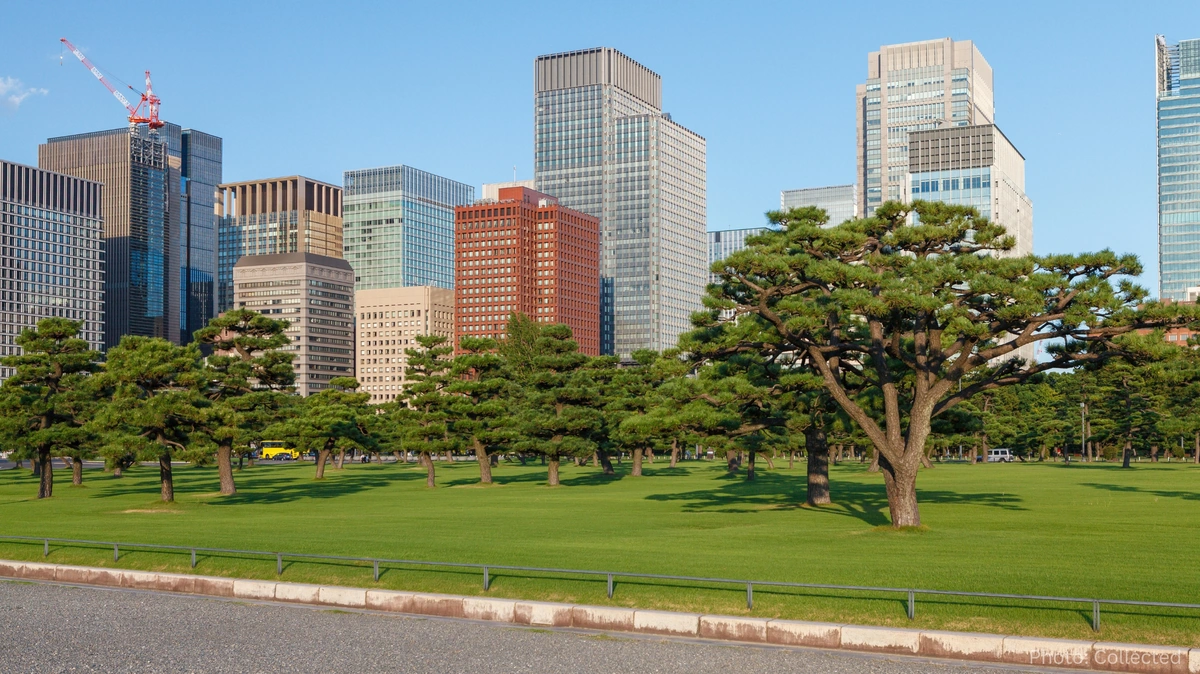
As urban populations grow and environmental challenges intensify, cities worldwide are expanding green spaces and public parks to improve air quality, reduce heat stress, and enhance the physical and mental well-being of residents.
Urban green spaces and public parks are increasingly being recognized as essential components of modern city planning, as governments and urban planners respond to rising environmental pressures, climate change impacts, and declining quality of life in densely populated areas.
Green spaces, including parks, gardens, tree-lined streets, wetlands, and recreational open areas, play a crucial role in making cities more livable. They provide environmental, social, and economic benefits that contribute to healthier and more sustainable urban development.
One of the most significant benefits of urban green spaces is their ability to improve air quality. Trees and vegetation help filter pollutants, absorb carbon dioxide, and release oxygen, reducing the concentration of harmful particles in the air. This is especially important in large cities where vehicle emissions and industrial activities contribute heavily to air pollution.
Urban parks also play a key role in mitigating the urban heat island effect, a phenomenon where cities become significantly warmer than surrounding rural areas due to concrete-heavy infrastructure. Green spaces help cool surrounding areas through shade and evapotranspiration, reducing overall temperatures and improving comfort during extreme heat conditions.
Public health experts emphasize the positive impact of green spaces on mental and physical well-being. Access to parks encourages outdoor activities such as walking, jogging, and sports, which help reduce obesity, cardiovascular diseases, and other lifestyle-related health issues. Additionally, natural environments are linked to reduced stress, anxiety, and depression among urban residents.
In rapidly growing cities such as Dhaka, the need for accessible and well-maintained green spaces has become increasingly urgent. Urban expansion, population density, and infrastructure development have significantly reduced available open spaces, raising concerns among environmentalists and public health professionals.
Experts warn that the lack of green infrastructure can worsen environmental challenges, including flooding and waterlogging. Parks and wetlands act as natural drainage systems, absorbing excess rainwater and reducing pressure on urban drainage networks during heavy rainfall.
Urban planners are now advocating for the integration of green spaces into city development strategies. This includes designing parks within residential areas, preserving existing natural landscapes, creating rooftop gardens, and developing green corridors that connect different parts of the city.
Sustainable urban design approaches such as “green cities” and “eco-cities” are gaining popularity worldwide. These models prioritize environmental balance, energy efficiency, and improved quality of life through the incorporation of nature into urban environments.
Community involvement is also playing a growing role in the maintenance and development of urban green spaces. Local residents, schools, and civic organizations are increasingly participating in tree planting, park maintenance, and environmental awareness programs.
In addition to environmental and health benefits, green spaces also contribute to economic value. Properties located near parks often have higher market value, and attractive urban environments can boost tourism, retail activity, and overall economic productivity.
Despite their benefits, urban green spaces face several challenges. Limited land availability, competing development priorities, poor maintenance, and inadequate funding often hinder the creation and sustainability of parks in many cities. Environmental experts stress that long-term planning and strong policy support are essential to overcome these challenges.
Technology is also being used to support urban greenery initiatives. Geographic information systems (GIS), satellite mapping, and urban planning software help city authorities identify suitable locations for parks and monitor environmental changes over time.
Climate change has further increased the importance of urban green spaces. As cities experience more frequent heatwaves, heavy rainfall, and extreme weather events, parks and natural landscapes are becoming critical tools for climate adaptation and resilience.
Bangladesh has also seen growing awareness of the need for urban greenery. Efforts to expand parks, plant roadside trees, and protect remaining wetlands are being promoted by government agencies and environmental organizations. However, experts say more coordinated action is needed to address rapid urbanization and environmental degradation.
Environmental specialists emphasize that urban green spaces should not be treated as optional amenities but as essential infrastructure. Just like roads, bridges, and water systems, parks and green areas are vital for the long-term sustainability of cities.
In conclusion, urban green spaces and parks are becoming increasingly important in shaping healthier, more resilient, and more sustainable cities. As urbanization continues to accelerate, integrating nature into city planning will be crucial for improving environmental quality, supporting public health, and ensuring a better quality of life for future generations.
Related News


You may like




Tom Holland Says Marvel Has a Plan for the Next Spider-Man
August 1, 2026
Elected News
-
Bangladesh Seeks UN Women Support on Digital Harassment and Women’s Empowerment
-
Bangladesh, Australia Discuss Human Trafficking, Irregular Migration and Rohingya Crisis
-
Bangladesh Plans Internet-Free Access to Mobile Banking and Financial Apps
-
DU to Open Undergraduate Admission Applications on 11 November, Tests Begin 5 December


