Water Scarcity and Conservation: Growing Global Challenge Demands Urgent Action
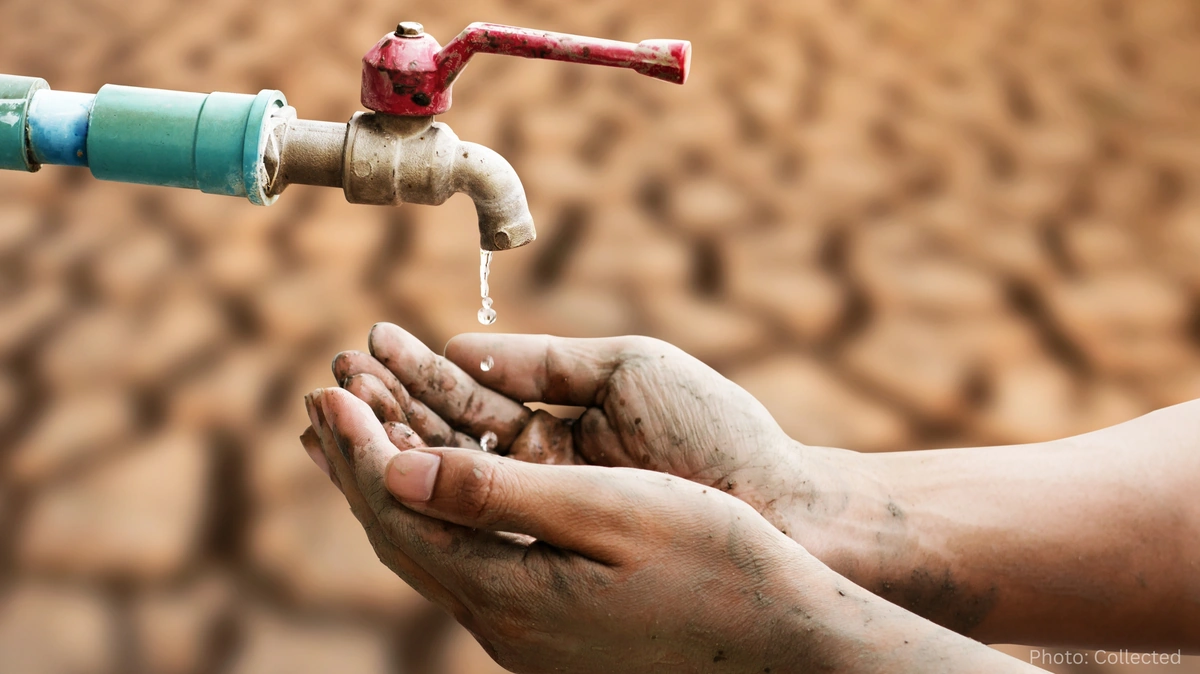
As climate change, population growth, and rising demand place increasing pressure on freshwater resources, experts warn that water scarcity is becoming one of the most significant environmental and development challenges of the 21st century, highlighting the need for stronger conservation efforts.
Water is essential for life, agriculture, industry, and economic development. Yet despite covering more than two-thirds of the Earth's surface, only a small fraction of the world's water is available as accessible freshwater. Today, growing populations, urban expansion, climate change, and unsustainable consumption patterns are intensifying concerns about water scarcity across many regions of the world.
According to environmental experts, water scarcity occurs when the demand for freshwater exceeds available supplies or when poor water quality limits its usability. The challenge is no longer confined to traditionally arid regions. Increasingly, countries with historically adequate water resources are also experiencing shortages due to changing weather patterns and growing demand.
Climate change has emerged as a major factor influencing global water availability. Rising temperatures contribute to higher evaporation rates, while changing rainfall patterns can lead to prolonged droughts in some areas and severe flooding in others. These disruptions make water management increasingly difficult and unpredictable.
Many rivers, lakes, and groundwater reserves are facing unprecedented pressure. Excessive extraction for agriculture, industrial production, and urban consumption has reduced water levels in numerous regions, raising concerns about long-term sustainability.
Agriculture remains the largest consumer of freshwater globally, accounting for the majority of water withdrawals in many countries. While irrigation supports food production and rural livelihoods, inefficient irrigation systems often result in significant water losses. Experts emphasize that improving agricultural water efficiency is essential for ensuring future food security.
Rapid urbanization is also contributing to growing water stress. Expanding cities require vast amounts of water for households, businesses, public services, and industrial activities. In many developing nations, aging infrastructure, leakage, and inadequate water management systems further worsen supply challenges.
Bangladesh, despite being known as a riverine country, faces complex water-related issues. Seasonal variations, groundwater depletion, salinity intrusion in coastal areas, pollution, and population growth create significant challenges for sustainable water management. Experts note that ensuring safe and reliable water access remains a critical priority for the country's future development.
Water quality is another growing concern. Industrial waste, untreated sewage, agricultural runoff, and plastic pollution continue to contaminate rivers, lakes, and groundwater sources. Poor water quality not only threatens ecosystems but also poses serious public health risks.
Health professionals warn that inadequate access to clean water and sanitation contributes to the spread of waterborne diseases, particularly among vulnerable populations. Safe drinking water remains a fundamental requirement for improving public health and overall quality of life.
In response to these challenges, governments, international organizations, and environmental groups are increasingly promoting water conservation measures. Conservation efforts focus on reducing waste, improving efficiency, protecting water sources, and encouraging responsible consumption.
At the household level, simple actions can make a significant difference. Repairing leaking taps, using water-efficient appliances, harvesting rainwater, and avoiding unnecessary water use are among the measures that can help reduce consumption. Public awareness campaigns continue to encourage communities to adopt water-saving habits.
Industries are also being encouraged to improve water management practices. Modern technologies allow businesses to recycle water, reduce wastage, and increase efficiency throughout production processes. Many companies are now incorporating water stewardship into their sustainability strategies.
Urban planners are exploring innovative approaches to water conservation as well. Rainwater harvesting systems, wastewater treatment facilities, green infrastructure, and smart water management technologies are increasingly being integrated into city development plans.
Protecting natural ecosystems plays a crucial role in water conservation. Wetlands, forests, rivers, and watersheds help regulate water cycles, improve water quality, and support biodiversity. Environmental experts stress that preserving these ecosystems is essential for maintaining long-term water security.
Technological innovation is providing new opportunities to address water scarcity. Advanced irrigation systems, desalination technologies, water recycling solutions, and real-time monitoring systems are helping communities manage water resources more effectively. However, experts caution that technology alone cannot solve the problem without supportive policies and responsible resource management.
International cooperation is becoming increasingly important as many rivers and water systems cross national borders. Shared water resources require collaborative management to prevent disputes and ensure equitable access for all stakeholders.
Looking ahead, experts warn that water scarcity could become one of the defining challenges of the coming decades if current trends continue. Rising populations, economic growth, and climate-related pressures are expected to increase competition for freshwater resources in many regions.
In conclusion, water scarcity is not merely an environmental issue but a social, economic, and public health challenge with far-reaching consequences. Strengthening conservation efforts, improving efficiency, protecting natural ecosystems, and promoting sustainable water management practices will be essential for ensuring water security for future generations. As global demand continues to grow, responsible stewardship of freshwater resources has become more important than ever before.
Related News




You may like




Tom Holland Says Marvel Has a Plan for the Next Spider-Man
August 1, 2026
Elected News
-
Bangladesh Seeks UN Women Support on Digital Harassment and Women’s Empowerment
-
Bangladesh, Australia Discuss Human Trafficking, Irregular Migration and Rohingya Crisis
-
Bangladesh Plans Internet-Free Access to Mobile Banking and Financial Apps
-
DU to Open Undergraduate Admission Applications on 11 November, Tests Begin 5 December


