Global oil market to see surplus in late 2026, says IEA
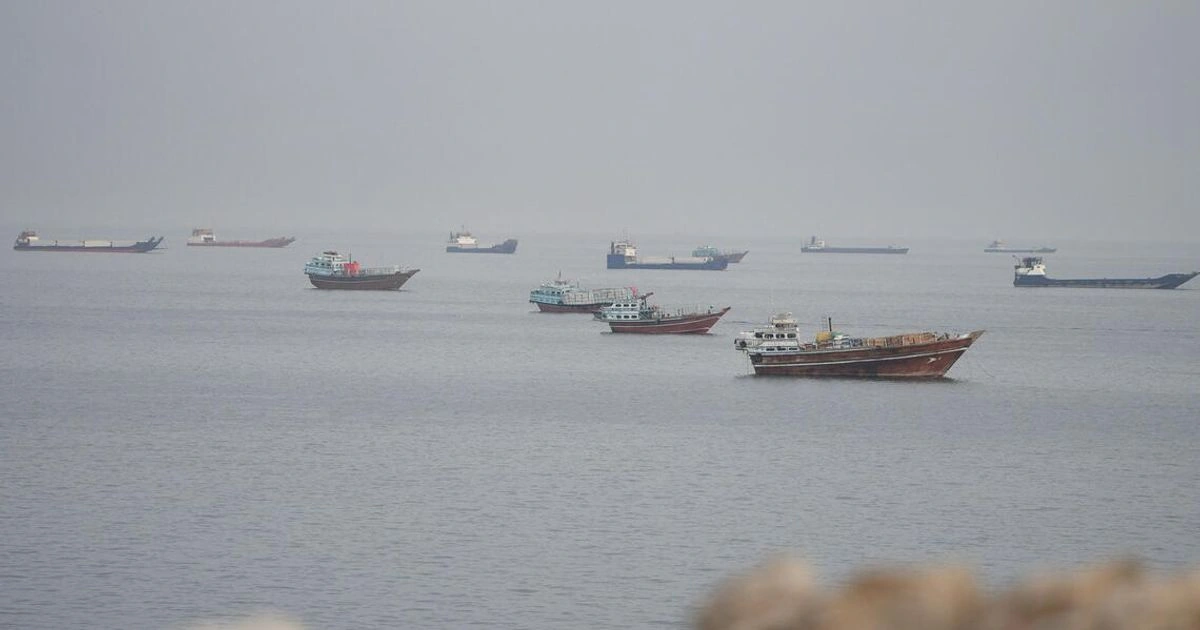
The International Energy Agency projects a global oil surplus of 1.7 million barrels per day by the fourth quarter of 2026. This shift is driven by recovering Gulf exports and increased output from the United States, Canada, Brazil, Argentina, and Guyana.
The global oil market is projected to return to a surplus in the final quarter of 2026, according to the International Energy Agency (IEA). The Paris-based organisation, which provides energy policy advice to industrialised nations, stated that supply is expected to average 105 million barrels per day (bpd) during this period, exceeding forecast demand by 1.7 million bpd.
This outlook represents a significant shift for the IEA, which had previously anticipated a supply deficit for the fourth quarter of 2026. The agency noted that the market is showing tentative signs of rebalancing, with global supplies surpassing demand for the first time since the outbreak of the war in Iran.
The anticipated surplus is attributed to a combination of factors, primarily the recovery of oil exports from the Middle East. Despite ongoing security concerns and tanker attacks in the Gulf, producers have increasingly utilised workarounds to maintain flow, including 'dark crossings' through the Strait of Hormuz where vessels disable tracking signals to avoid detection.
The OPEC+ group, comprising the Organization of the Petroleum Exporting Countries and allies such as Russia, has contributed to this recovery. According to OPEC data released on 11 November, the alliance pumped 41.23 million bpd of crude in October. This figure represents an increase of 2.04 million bpd compared to September and reaches approximately 97% of the production levels recorded in February, prior to the war.
In addition to the recovery within OPEC+, the IEA highlighted rising production from countries outside the alliance. Output from the United States, Canada, Brazil, Argentina, and Guyana is projected to increase by 1.6 million bpd throughout 2026. These combined supply factors, alongside high oil prices which have curbed global consumption, have contributed to the shift in market dynamics.
The IEA forecasts that world oil demand will fall by 2.7 million bpd in 2026, reaching 102.3 million bpd. While demand is expected to rebound by 2 million bpd in 2027, the current price environment has played a role in tipping the market balance toward an excess of supply. Other analysts have reached similar conclusions; last week, JPMorgan forecast a global surplus of 1.4 million bpd for October.
Following the release of the IEA report on 13 November, oil prices experienced a slight decline. Brent crude was last reported down 0.1% at US$95.71 a barrel, reversing earlier gains observed in the market.
To address immediate market tightness, the IEA announced that 71 million barrels of oil from emergency reserves, pledged in March, will be made available by the end of February. This release includes 15 million barrels of diesel, intended to ease supply constraints in the short term.
Looking further into the future, the IEA projects that global supply will continue to climb, reaching 108.1 million bpd in 2027, an increase of 6.6 million bpd. The agency estimates that the supply surplus for 2027 will be approximately 3.8 million bpd, a slight downward revision from the 3.94 million bpd surplus projected in the previous month.
The lower 2027 outlook partly reflects a downward revision in production expectations for Iran, which remains subject to a United States blockade that has restricted its oil exports. While the 2027 supply growth forecast is down 1.1 million bpd from October estimates, the overall trend remains one of increasing global capacity led by a sustained recovery in Gulf output.
Related News
You may like

Fed hosts AI forum as officials warn of job market disruptions
November 13, 2026
Bangladesh Bank launches Tk 15 billion fund for small loans
November 13, 2026
Bangladesh pushes for climate grants and technology at COP31
November 13, 2026

Trump AI task force reviews safety standards amid expiring cyber law
November 13, 2026
Elected News
-

Bangladesh Seeks UN Women Support on Digital Harassment and Women’s Empowerment
-

Bangladesh, Australia Discuss Human Trafficking, Irregular Migration and Rohingya Crisis
-

Bangladesh Plans Internet-Free Access to Mobile Banking and Financial Apps
-

DU to Open Undergraduate Admission Applications on 11 November, Tests Begin 5 December


