Pitha Culture and Winter Traditions: Bangladesh’s Sweet Seasonal Heritage
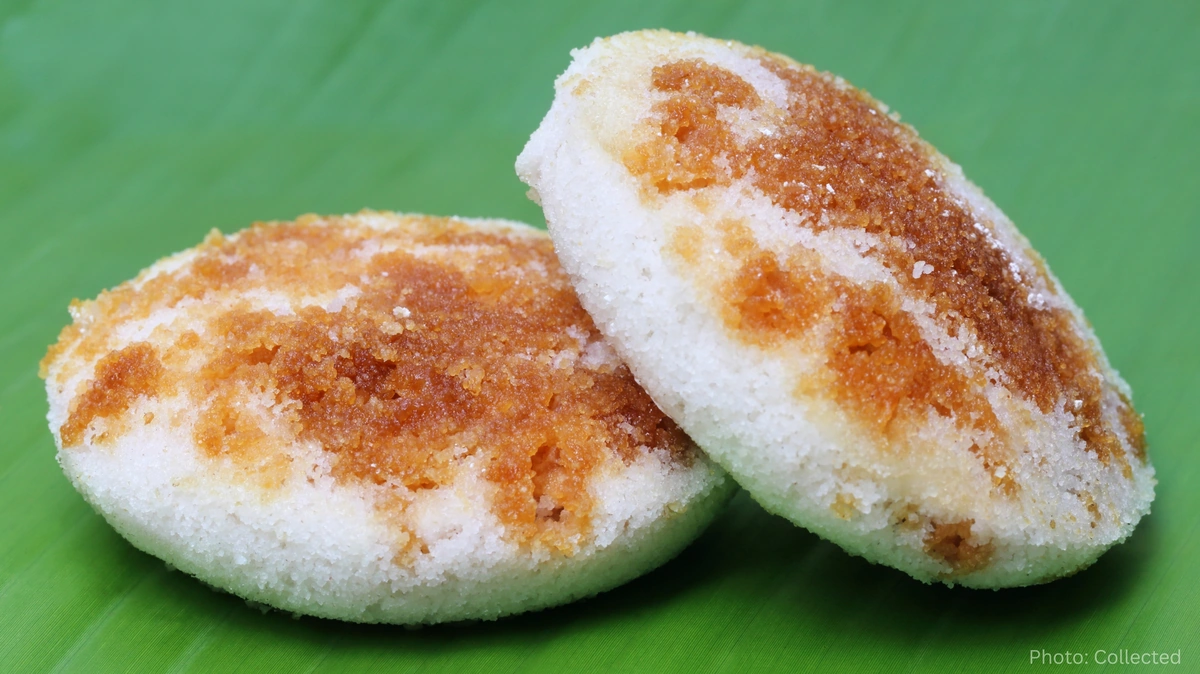
Pitha, a traditional seasonal delicacy in Bangladesh, remains deeply connected to winter celebrations, family gatherings, and rural cultural heritage across the country.
As winter arrives in Bangladesh, homes across the country begin to fill with the aroma of freshly prepared pitha, a traditional category of rice-based cakes and sweets that form an essential part of seasonal culture. More than just food, pitha represents a long-standing tradition of community bonding, family gatherings, and cultural identity passed down through generations.
Pitha culture is especially prominent in rural areas, where winter is considered the prime season for preparing a wide variety of these delicacies. Made primarily from rice flour, jaggery, coconut, milk, and sesame seeds, pithas come in countless forms, each reflecting regional creativity and local ingredients.
Among the most popular varieties are bhapa pitha, chitoi pitha, pati shapta, nakshi pitha, and dudh puli. Each type carries its own unique preparation style and flavor profile. Some are steamed, others are fried, and many are filled with sweet coconut or jaggery mixtures that highlight the richness of traditional Bangladeshi cuisine.
In many households, especially in villages, pitha-making is a collective activity involving multiple family members. Women often lead the preparation process, while children and elders participate in shaping, filling, and serving. These gatherings strengthen family bonds and create a festive atmosphere that is closely associated with winter mornings and evenings.
Pitha festivals, known locally as “pitha utshob,” have also gained popularity in urban areas. Schools, colleges, cultural organizations, and community groups frequently organize such events to celebrate traditional food heritage. These festivals not only showcase culinary diversity but also help preserve cultural practices that might otherwise fade in rapidly modernizing cities.
Street vendors and local markets also play a significant role during the winter season by selling freshly made pithas. In cities like Dhaka, roadside stalls become especially active in the early morning and evening hours, attracting people from all walks of life who seek warm, seasonal snacks.
Beyond their cultural significance, pithas also reflect Bangladesh’s agricultural traditions. The ingredients used in these foods are closely linked to the country’s rice farming economy, which remains a cornerstone of rural livelihoods. The seasonal availability of rice and fresh coconut further reinforces the connection between food, climate, and agricultural cycles.
Food historians note that pitha traditions vary significantly across regions, with each district contributing unique recipes and techniques. This diversity highlights the rich cultural mosaic of Bangladesh and the importance of preserving local culinary knowledge.
In recent years, social media has played a growing role in promoting pitha culture, with food bloggers and enthusiasts sharing recipes, preparation methods, and festival experiences online. This digital exposure has helped introduce traditional foods to younger generations who may be less familiar with rural customs.
Despite modernization and changing lifestyles, pitha remains a powerful symbol of Bangladeshi winter traditions. It brings families together, preserves cultural identity, and celebrates the simplicity and creativity of traditional cuisine.
As winter continues each year, pitha culture stands as a reminder of Bangladesh’s deep-rooted connection between food, seasonality, and community life, ensuring that these cherished traditions remain alive for generations to come.
Related News




You may like



Tom Holland Says Marvel Has a Plan for the Next Spider-Man
August 1, 2026
Elected News
-
Bangladesh Seeks UN Women Support on Digital Harassment and Women’s Empowerment
-
Bangladesh, Australia Discuss Human Trafficking, Irregular Migration and Rohingya Crisis
-
Bangladesh Plans Internet-Free Access to Mobile Banking and Financial Apps
-
DU to Open Undergraduate Admission Applications on 11 November, Tests Begin 5 December


