Restaurant and Food Delivery Trends: How Digital Ordering is Reshaping Urban Dining
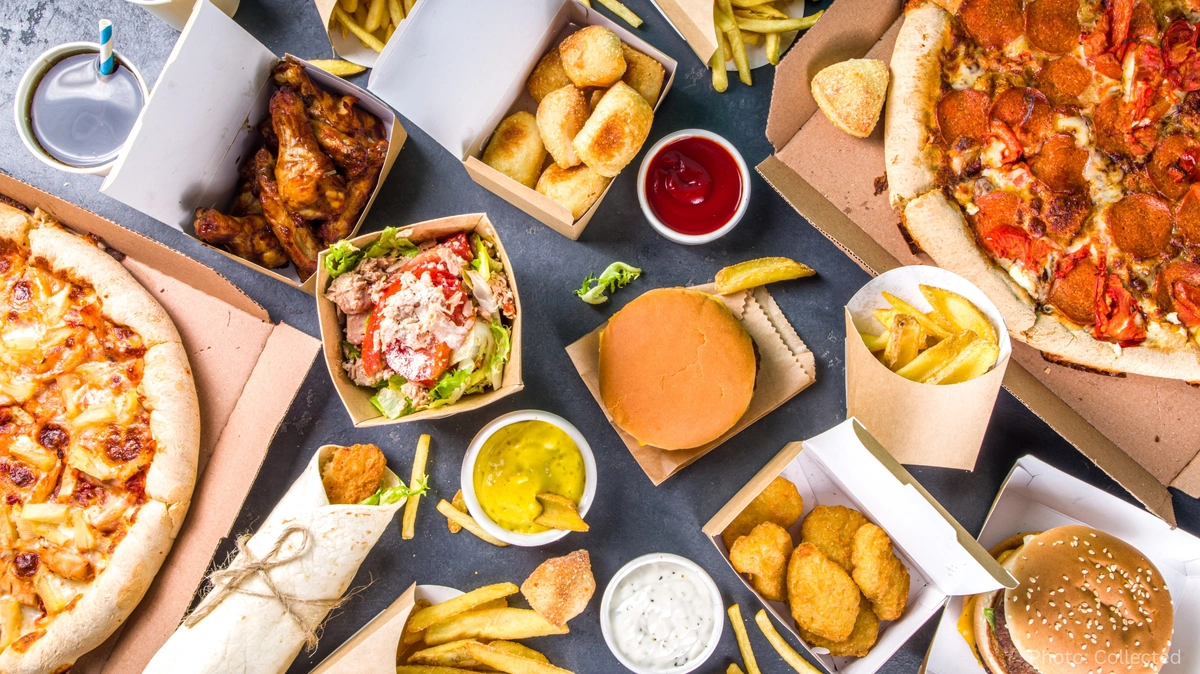
The restaurant industry is rapidly evolving as digital platforms, food delivery apps, and changing consumer habits redefine how people order, eat, and experience food in urban areas.
The global restaurant and food service industry is undergoing a significant transformation, driven by the rapid rise of food delivery platforms, changing consumer lifestyles, and increasing reliance on digital technology. In urban centers, dining habits are shifting away from traditional in-restaurant experiences toward more flexible, app-based ordering systems that prioritize convenience and speed.
Experts in the food service industry note that food delivery services have become a central component of modern dining culture. Mobile applications and online platforms now allow customers to browse menus, place orders, track deliveries in real time, and make cashless payments with ease. This shift has significantly expanded the reach of restaurants, enabling even small eateries to serve a much larger customer base.
One of the key trends reshaping the industry is the rise of cloud kitchens, also known as ghost kitchens or virtual restaurants. These facilities operate without a traditional dine-in space and focus exclusively on preparing food for delivery. By reducing overhead costs such as rent and front-of-house staffing, cloud kitchens allow businesses to operate more efficiently and experiment with multiple food brands from a single kitchen.
Consumer preferences are also changing, with growing demand for speed, affordability, and variety. Urban customers increasingly prefer quick-service meals and diverse cuisines that can be ordered with minimal effort. As a result, restaurants are expanding their digital presence, optimizing menus for delivery, and partnering with multiple platforms to remain competitive.
Data analytics and artificial intelligence are also playing a growing role in shaping food industry decisions. Restaurants are using customer data to understand ordering patterns, predict demand, and customize marketing strategies. Delivery platforms, in turn, use algorithms to suggest meals based on user preferences, location, and previous orders, further enhancing user engagement.
Another notable trend is the increasing importance of contactless delivery and cashless transactions. Accelerated by recent global health concerns, consumers have become more comfortable with digital payments and doorstep delivery options that minimize physical interaction. This shift has encouraged greater adoption of mobile wallets and online payment systems across the food industry.
Social media continues to influence restaurant trends significantly. Food bloggers, influencers, and user-generated content play a major role in shaping public perception and driving demand for specific dishes or dining experiences. Viral food trends can rapidly boost sales for restaurants, sometimes leading to sudden spikes in demand that businesses must quickly adapt to manage.
At the same time, the restaurant industry faces several challenges, including rising ingredient costs, intense competition, and dependency on third-party delivery platforms that charge commission fees. Many restaurant owners are now exploring direct ordering systems through their own websites or apps to reduce reliance on intermediaries and improve profit margins.
Sustainability is also becoming an important focus. Restaurants and delivery services are increasingly adopting eco-friendly packaging, reducing food waste, and sourcing ingredients locally where possible. Consumers are showing greater interest in environmentally responsible dining options, influencing business practices across the industry.
In emerging markets, including South Asia, food delivery services are expanding rapidly due to growing smartphone penetration and urbanization. This expansion is creating new job opportunities for delivery personnel while also reshaping traditional restaurant business models.
Industry analysts predict that the future of food service will continue to blend physical dining experiences with digital convenience. Hybrid models that combine dine-in services with efficient delivery systems are expected to dominate the market in the coming years.
As technology continues to evolve, the restaurant industry is likely to become even more integrated with digital ecosystems, offering customers faster service, greater personalization, and more diverse culinary options than ever before.
Related News



You may like



Tom Holland Says Marvel Has a Plan for the Next Spider-Man
August 1, 2026
Elected News
-
Bangladesh Seeks UN Women Support on Digital Harassment and Women’s Empowerment
-
Bangladesh, Australia Discuss Human Trafficking, Irregular Migration and Rohingya Crisis
-
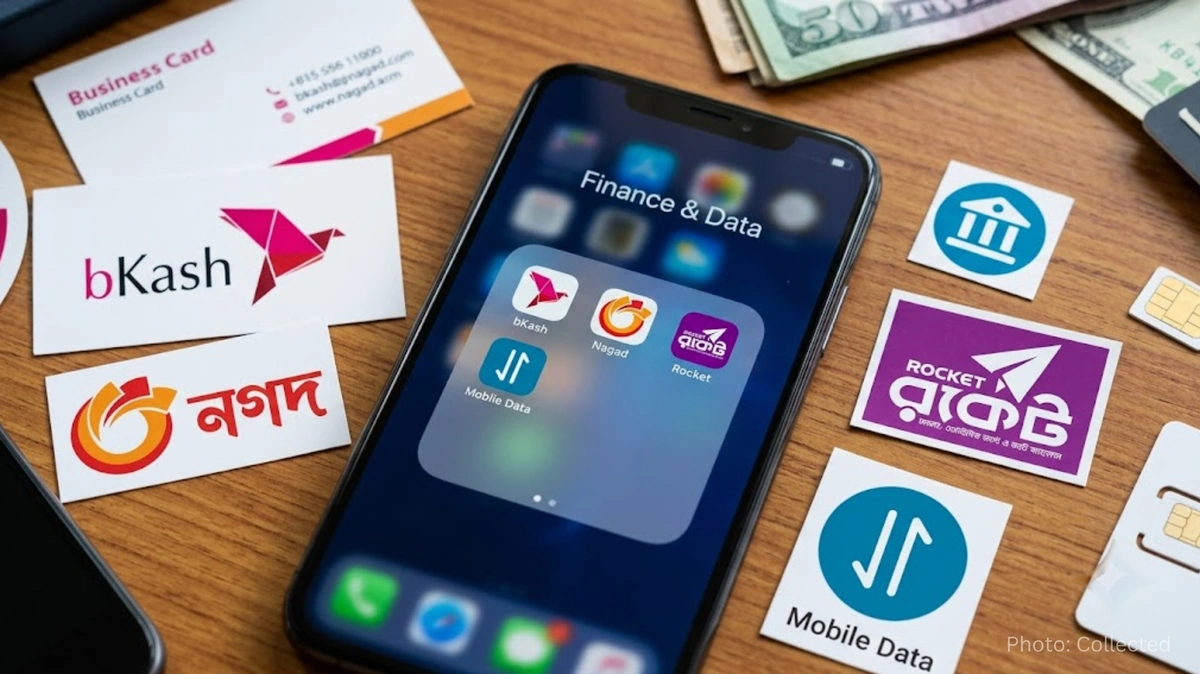
Bangladesh Plans Internet-Free Access to Mobile Banking and Financial Apps
-
DU to Open Undergraduate Admission Applications on 11 November, Tests Begin 5 December


