BBC Insight: Why Putin Remains Unbending on the Ukraine War
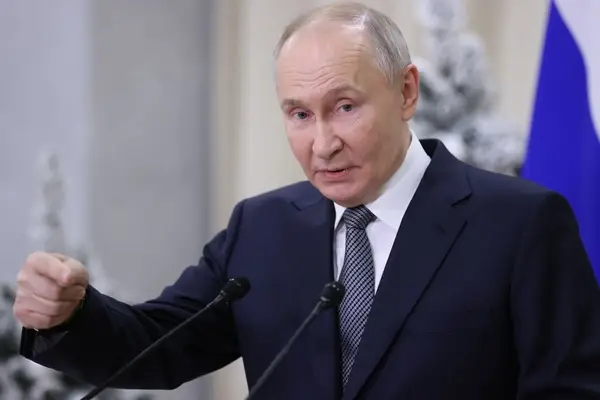
Sometimes, it is not so much what is said that matters, but how people react to it. At a recent conference in Russia’s Far East, President Vladimir Putin issued a warning to the West, declaring that no troops should be sent to Ukraine not even as peacekeepers. “If any troops are deployed there, especially during the ongoing fighting, we will treat them as legitimate targets,” Putin said. The audience at the Eastern Economic Forum in Vladivostok erupted into applause. Russian officials and business leaders openly welcomed the threat of “destroying” Western troops.
Putin’s warning came just a day after Ukraine’s allies the so-called “coalition of the willing” pledged to form a peacekeeping force once the war ends to help ensure Kyiv’s security.
He also said he was willing to meet Ukrainian President Volodymyr Zelensky, but only in Russia. Again, the audience broke into applause. “The best place for such a meeting is the Russian capital the Hero City, Moscow,” he added.
Outside Russia, however, Putin’s proposal was dismissed as unrealistic and unserious seen more as political trolling than a genuine offer. Yet in many ways, it laid bare the Kremlin’s current stance on the war in Ukraine.
“Yes, we want peace,” Putin said, “but only on our terms. Don’t accept our conditions? Then there will be no peace.”
There are several factors behind Russian President Vladimir Putin’s unyielding stance.
First, the Kremlin believes Russian forces are in a favorable position in the Ukrainian battlefield.
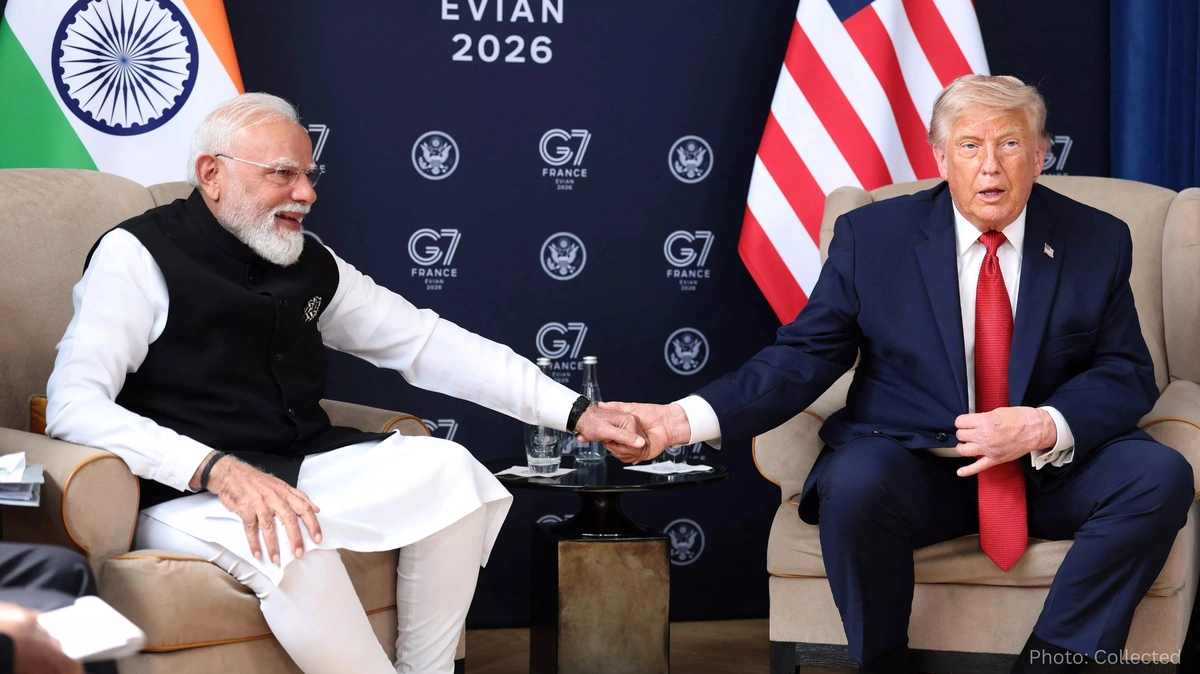
Second, diplomatic successes have bolstered Russia’s confidence. During a recent visit to China, Putin shook hands and smiled with numerous world leaders, signaling that Russia has strong allies such as China, India, and North Korea.
The United States also features in this calculus. Last month, U.S. President Donald Trump invited Putin to Alaska for a high-level meeting. Upon returning from the U.S., Russia-friendly analysts argued that the meeting demonstrated the West’s failure to isolate Russia over the Ukraine war.
Previously, Trump had set deadlines and issued final warnings to push the Kremlin toward ending the war, threatening additional sanctions if Russia did not pursue peace. However, he did not follow through on these threats. This, in turn, became another major factor boosting Russia’s confidence.
Putin publicly praised Trump’s peace efforts. Yet, he still rejected the U.S. proposals for a ceasefire and showed no willingness to make concessions regarding the war in Ukraine.
Recently, Putin said he can see a “ray of hope.”
The Russian president added, “It seems to me that Russia is on one path, while Ukraine and Europe and to some extent the United States are on a completely different path, in a different direction, with a different destination.”
Currently, Ukraine and Europe are focusing on ending the war, ensuring security for Kyiv, and making sure that the Ukrainian armed forces are strong enough after the conflict to prevent any future aggression.
When Putin talks about seeing a ray of hope, it appears he envisions a scenario where Russia emerges victorious in Ukraine and further establishes a new global order favorable to Moscow.
Regarding peace, it is difficult to see when or where these two divergent paths might converge. The two sides do not share the same goals Europe seeks peace in Ukraine, while Putin wants victory on his own terms. This makes the prospect of a negotiated peace very slim.
Related News
You may like




Tom Holland Says Marvel Has a Plan for the Next Spider-Man
August 1, 2026
Elected News
-
Bangladesh Seeks UN Women Support on Digital Harassment and Women’s Empowerment
-
Bangladesh, Australia Discuss Human Trafficking, Irregular Migration and Rohingya Crisis
-

Bangladesh Plans Internet-Free Access to Mobile Banking and Financial Apps
-

DU to Open Undergraduate Admission Applications on 11 November, Tests Begin 5 December


