Cuba says it is ready for any US attack amid deepening blackout crisis
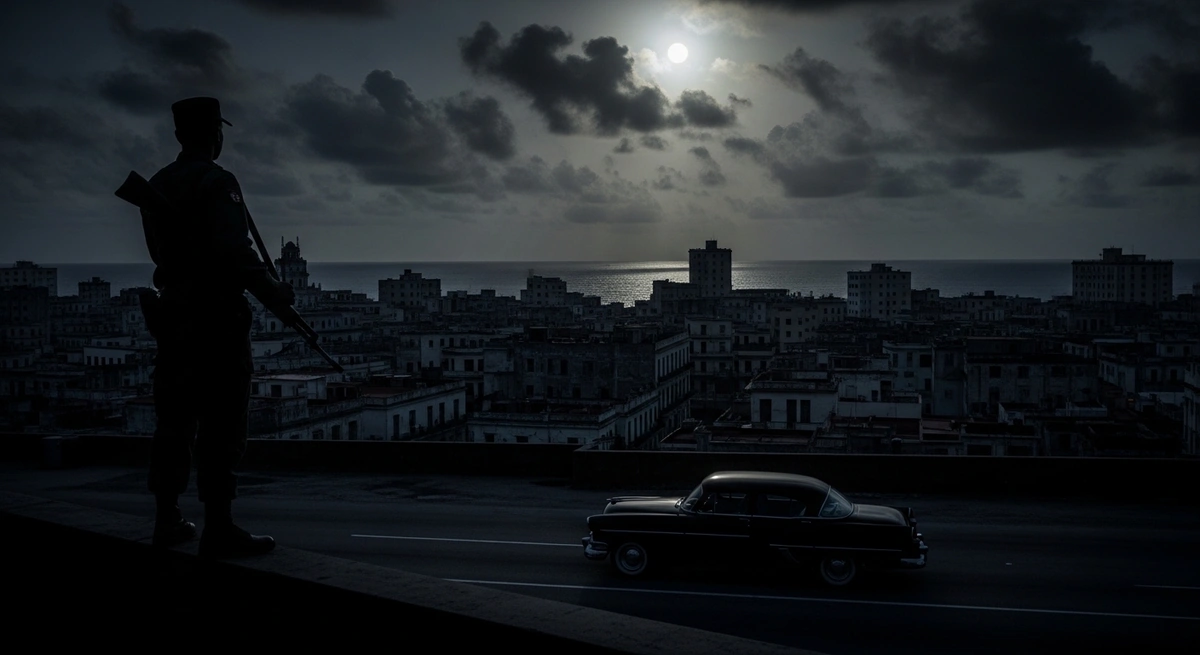
Cuba has said it is prepared for any potential military aggression from the United States, as the island struggles to recover from another nationwide blackout and mounting pressure linked to a deepening fuel crisis. Deputy Foreign Minister Carlos Fernandez de Cossio said Havana does not believe an attack is likely, but added that it would be naive not to prepare.
The warning followed the latest collapse of Cuba’s power grid, the second nationwide outage in a week and the third in March. Authorities said the failure began after an unexpected shutdown at the Nuevitas thermoelectric plant in Camaguey province, knocking out electricity across the country. By Sunday, power had been restored to about 55 percent of Havana, including 43 hospitals, though large parts of the island remained without stable service.
Cuba’s energy crisis has worsened under fuel shortages that officials link to tightened US pressure and the loss of Venezuelan oil supplies. President Miguel Diaz-Canel has said Cuba has not received oil from foreign suppliers for three months and currently produces only about 40 percent of the fuel it needs, leaving the country heavily exposed to repeated grid failures and transport disruptions.
Tensions rose further after Donald Trump renewed hardline rhetoric toward Havana in recent days, including remarks suggesting he expected to “take” Cuba. Fernandez de Cossio said Cuba’s political system and leadership were not open to negotiation in the current contacts with Washington, while stressing that Havana remains willing to talk on issues such as migration and drug trafficking.
A senior US military official has tried to lower immediate fears of an invasion. General Francis Donovan, head of US Southern Command, told lawmakers that US forces were not rehearsing for an attack on Cuba, though he said they were prepared to protect the US embassy in Havana, defend the base at Guantanamo Bay, and respond to any migration emergency if needed.
The confrontation has also reached the diplomatic level. US officials said Cuba recently refused a request by the US embassy in Havana to import diesel for backup generators, even as widespread power cuts continued to affect daily life, hospitals, universities, aviation and food storage across the island.
Cuba’s energy crisis has worsened under fuel shortages that officials link to tightened US pressure and the loss of Venezuelan oil supplies. President Miguel Diaz-Canel has said Cuba has not received oil from foreign suppliers for three months and currently produces only about 40 percent of the fuel it needs, leaving the country heavily exposed to repeated grid failures and transport disruptions.
Tensions rose further after Donald Trump renewed hardline rhetoric toward Havana in recent days, including remarks suggesting he expected to “take” Cuba. Fernandez de Cossio said Cuba’s political system and leadership were not open to negotiation in the current contacts with Washington, while stressing that Havana remains willing to talk on issues such as migration and drug trafficking.
A senior US military official has tried to lower immediate fears of an invasion. General Francis Donovan, head of US Southern Command, told lawmakers that US forces were not rehearsing for an attack on Cuba, though he said they were prepared to protect the US embassy in Havana, defend the base at Guantanamo Bay, and respond to any migration emergency if needed.
The confrontation has also reached the diplomatic level. US officials said Cuba recently refused a request by the US embassy in Havana to import diesel for backup generators, even as widespread power cuts continued to affect daily life, hospitals, universities, aviation and food storage across the island.
Related News
You may like




Tom Holland Says Marvel Has a Plan for the Next Spider-Man
August 1, 2026
Elected News
-
Bangladesh Seeks UN Women Support on Digital Harassment and Women’s Empowerment
-
Bangladesh, Australia Discuss Human Trafficking, Irregular Migration and Rohingya Crisis
-
Bangladesh Plans Internet-Free Access to Mobile Banking and Financial Apps
-
DU to Open Undergraduate Admission Applications on 11 November, Tests Begin 5 December


