Iranian Ports Face US Naval Blockade After Talks Collapse
The Chronify
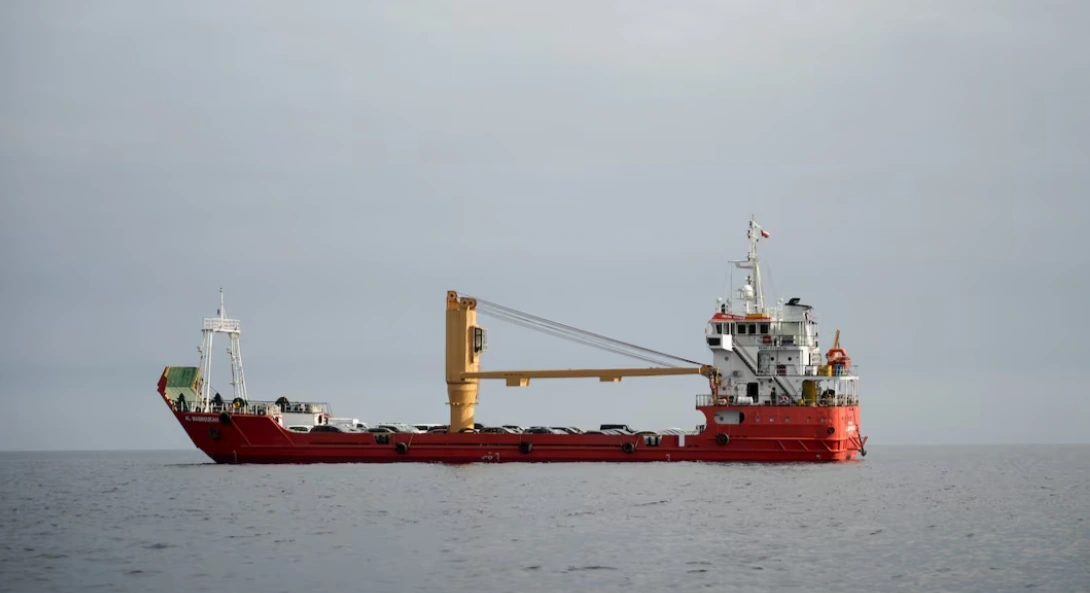
The United States said it will begin blocking all maritime traffic entering and leaving Iranian ports and coastal areas at 10 a.m. Eastern Time on Monday, April 13, after ceasefire talks in Islamabad ended without an agreement. US Central Command said the measure will apply to ships of any nationality using Iranian ports on the Gulf and Gulf of Oman.
Ships traveling through the Strait of Hormuz to and from non-Iranian ports will still be allowed to pass. That narrows earlier public threats to block the entire waterway, a route that carries about one fifth of global energy supplies. Oil prices jumped after the announcement, with benchmark crude rising above $100 a barrel in early Asian trading.
Iran responded with a warning that any military vessel approaching the strait would be treated as a breach of the current two week ceasefire and would face a severe response. Iranian officials also said the weekend negotiations failed because Washington pushed demands Tehran would not accept, including curbs on uranium enrichment and wider regional concessions.
The move raises the risk of fresh escalation across the Gulf, where shipping traffic has already slowed sharply since the fighting began. Analysts said a sustained naval blockade would be a large military operation that could prove difficult to maintain and could deepen pressure on global energy markets.
Related News





You may like


Elected News
-
From Spending to Saving: How Households Are Rewriting Their Money Habits
-
Toxic Chemical Found in Watermelon After Four Family Members Die in Mumbai
-
Pakistan Army Accuses India of “State Terrorism” During Press Briefing on Regional Tensions
-
Gaza Journalist Killed Hours After Welcoming Newborn Daughter Amid Ongoing War


