Israel and U.S. intensify strikes across Iran as Hormuz deadline nears
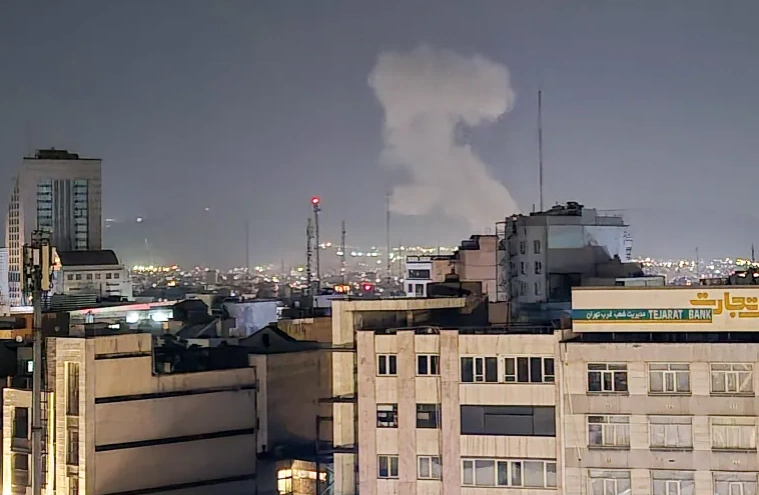
Israel and the United States launched a fresh round of strikes across Iran on Monday, opening what the Israeli military described as a “wide scale” attack on infrastructure in Tehran as President Donald Trump’s 48 hour ultimatum over the Strait of Hormuz moved toward expiry. The renewed assault came as Iran kept up missile fire toward Israel and warned of broader retaliation if its power network is hit.
The Israeli military said it had begun a broad wave of attacks on infrastructure targets in the Iranian capital, but did not immediately give a fuller target list. U.S. Central Command, meanwhile, said the wider campaign was “ahead or on plan,” and its commander, Admiral Brad Cooper, accused Iran of launching missiles and drones from populated areas.
Iranian media and emergency responders reported fresh civilian damage as the strikes spread. International reporting cited Iranian news agencies as saying six people were killed and 43 wounded in attacks on residential buildings in Khorramabad. The Iranian Red Crescent also released video showing rescuers evacuating people from a heavily damaged apartment block in northern Tehran. There was no immediate independent confirmation of all reported impacts in other cities.
Iran continued its retaliation overnight. Air raid sirens sounded across parts of central and northern Israel, including Tel Aviv and the occupied West Bank. The latest alerts followed weekend missile strikes on Arad and Dimona that injured dozens. Official figures cited in international reporting say 19 civilians in Israel and the occupied West Bank have been killed since the war began on February 28.
The escalation came as Trump’s deadline for Tehran to fully reopen the Strait of Hormuz was set to expire late Monday, Washington time. Trump had said the United States would “obliterate” Iranian power plants if shipping was not restored. In response, Iran’s Revolutionary Guards said they would strike Israeli power plants and facilities supplying electricity to U.S. bases in the Gulf if Iran’s own power infrastructure were attacked.
Iran also warned that any attack on its southern coast or islands would trigger the mining of access routes across the Gulf, effectively extending the Hormuz shutdown into a wider maritime blockade. The Strait normally carries about one fifth of the world’s oil and liquefied natural gas. The disruption has already pushed oil prices sharply higher and added to fears of the worst energy shock since the 1970s.
The war, now in its fourth week, has already killed more than 2,000 people, according to figures cited in international reporting. Despite weeks of heavy bombardment, Tehran has continued to show it can strike back, while Washington and Tel Aviv are signaling that more attacks are likely unless Iran changes course on Hormuz and its regional military posture.
Iranian media and emergency responders reported fresh civilian damage as the strikes spread. International reporting cited Iranian news agencies as saying six people were killed and 43 wounded in attacks on residential buildings in Khorramabad. The Iranian Red Crescent also released video showing rescuers evacuating people from a heavily damaged apartment block in northern Tehran. There was no immediate independent confirmation of all reported impacts in other cities.
Iran continued its retaliation overnight. Air raid sirens sounded across parts of central and northern Israel, including Tel Aviv and the occupied West Bank. The latest alerts followed weekend missile strikes on Arad and Dimona that injured dozens. Official figures cited in international reporting say 19 civilians in Israel and the occupied West Bank have been killed since the war began on February 28.
The escalation came as Trump’s deadline for Tehran to fully reopen the Strait of Hormuz was set to expire late Monday, Washington time. Trump had said the United States would “obliterate” Iranian power plants if shipping was not restored. In response, Iran’s Revolutionary Guards said they would strike Israeli power plants and facilities supplying electricity to U.S. bases in the Gulf if Iran’s own power infrastructure were attacked.
Iran also warned that any attack on its southern coast or islands would trigger the mining of access routes across the Gulf, effectively extending the Hormuz shutdown into a wider maritime blockade. The Strait normally carries about one fifth of the world’s oil and liquefied natural gas. The disruption has already pushed oil prices sharply higher and added to fears of the worst energy shock since the 1970s.
The war, now in its fourth week, has already killed more than 2,000 people, according to figures cited in international reporting. Despite weeks of heavy bombardment, Tehran has continued to show it can strike back, while Washington and Tel Aviv are signaling that more attacks are likely unless Iran changes course on Hormuz and its regional military posture.
Related News



You may like




Tom Holland Says Marvel Has a Plan for the Next Spider-Man
August 1, 2026
Elected News
-
Bangladesh Seeks UN Women Support on Digital Harassment and Women’s Empowerment
-
Bangladesh, Australia Discuss Human Trafficking, Irregular Migration and Rohingya Crisis
-
Bangladesh Plans Internet-Free Access to Mobile Banking and Financial Apps
-
DU to Open Undergraduate Admission Applications on 11 November, Tests Begin 5 December


