Trump Extends Iran Ceasefire Amid Rising Tensions and Continued Naval Blockade
The Chronify
Diplomatic efforts continue as US maintains pressure on Iran, while regional violence and economic uncertainty persist
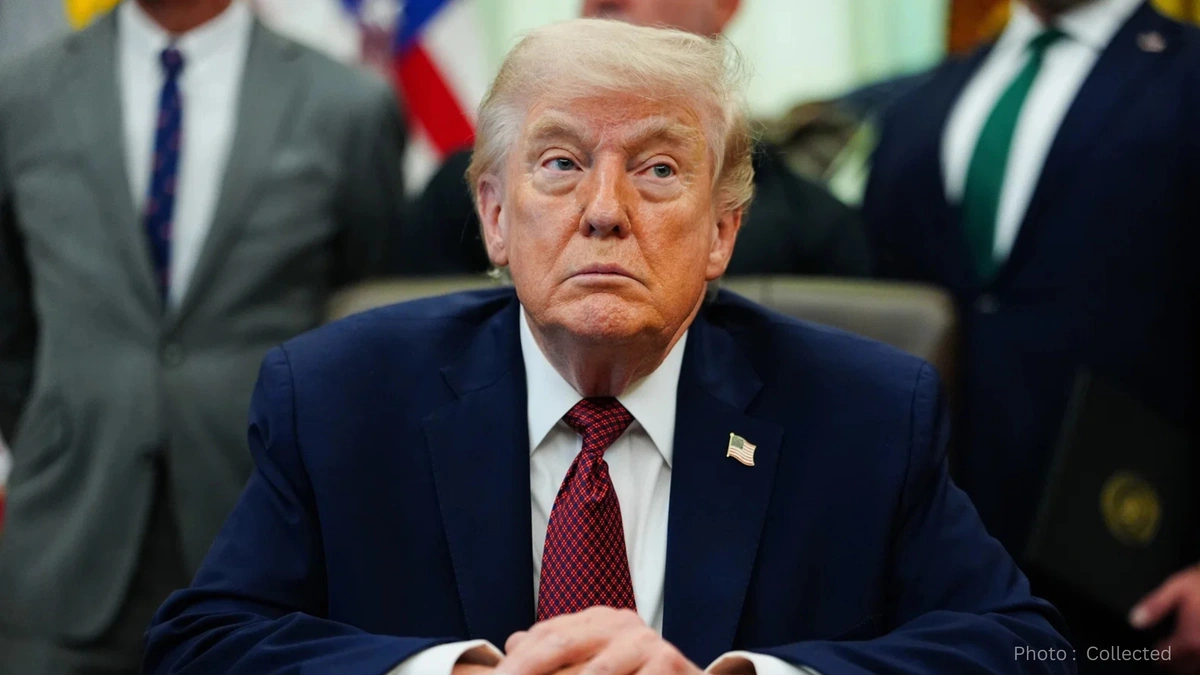
Tensions remain high in the ongoing conflict involving Iran, the United States, and Israel, as President Donald Trump announced an extension of the ceasefire while maintaining a controversial naval blockade on Iranian ports.
According to the latest update, the ceasefire has been extended to allow more time for Tehran to submit a proposal and continue negotiations aimed at ending the ongoing conflict. However, the United States has made clear that its naval blockade of Iranian maritime routes will remain in place, a decision that Iran has strongly condemned as a violation of the truce.
Iranian officials have rejected negotiations under pressure, insisting that discussions cannot proceed while what they describe as “threat-based conditions” remain in effect. The blockade of key shipping routes, including the Strait of Hormuz, continues to be a central point of dispute between the two sides.
The Islamic Revolutionary Guard Corps (IRGC) has issued warnings that regional oil infrastructure could become a target if attacks are launched from neighbouring Gulf states, further escalating regional concerns. Iranian officials have also described the ongoing blockade as an “act of war,” while signaling cautious openness to diplomacy under different conditions.
On the diplomatic front, the United States has expanded sanctions linked to Iran’s military and weapons-related programmes, while European partners are reportedly preparing additional measures. At the same time, indirect negotiations involving regional actors continue, including discussions related to broader Middle East stability.
Despite the ceasefire extension, violence has continued across parts of the region. Reports from the occupied West Bank indicate civilian casualties linked to settler attacks, while strikes in southern Lebanon have injured civilians and damaged infrastructure amid ongoing tensions between Israel and Hezbollah.
In Washington, officials have defended the strategy as a combination of diplomatic pressure and military deterrence, while analysts note that shifting messaging from the White House has created uncertainty in global markets and diplomatic circles.
With shipping through key energy routes still restricted and geopolitical risks rising, concerns are growing over potential disruptions to global oil supply and broader economic stability. Observers say the situation remains fragile, with both diplomacy and escalation still possible depending on upcoming negotiations.
Related News



You may like

Elected News
-
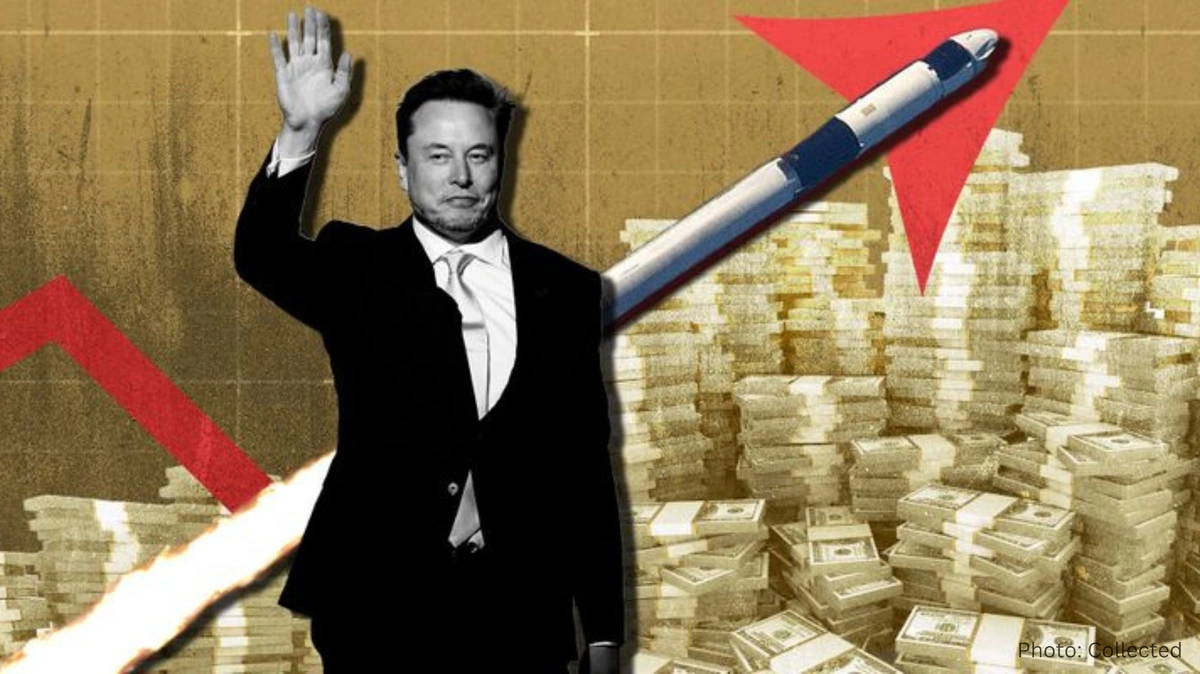
Elon Musk Becomes World's First Trillionaire on Paper After Record SpaceX IPO
-
Denied a US Visa for the World Cup? Argentine Company Gives Away Free TVs to Disappointed Fans
-
Missing Elderly Man Allegedly Pushed In by BSF Reunited With Family After Border Ordeal
-
Garment Sector Turmoil: Historic Labor Reforms Clash with Sudden Mass Layoffs in Bangladesh