Bangladesh Faces Backlash Over Rollback of Post-Uprising Reforms
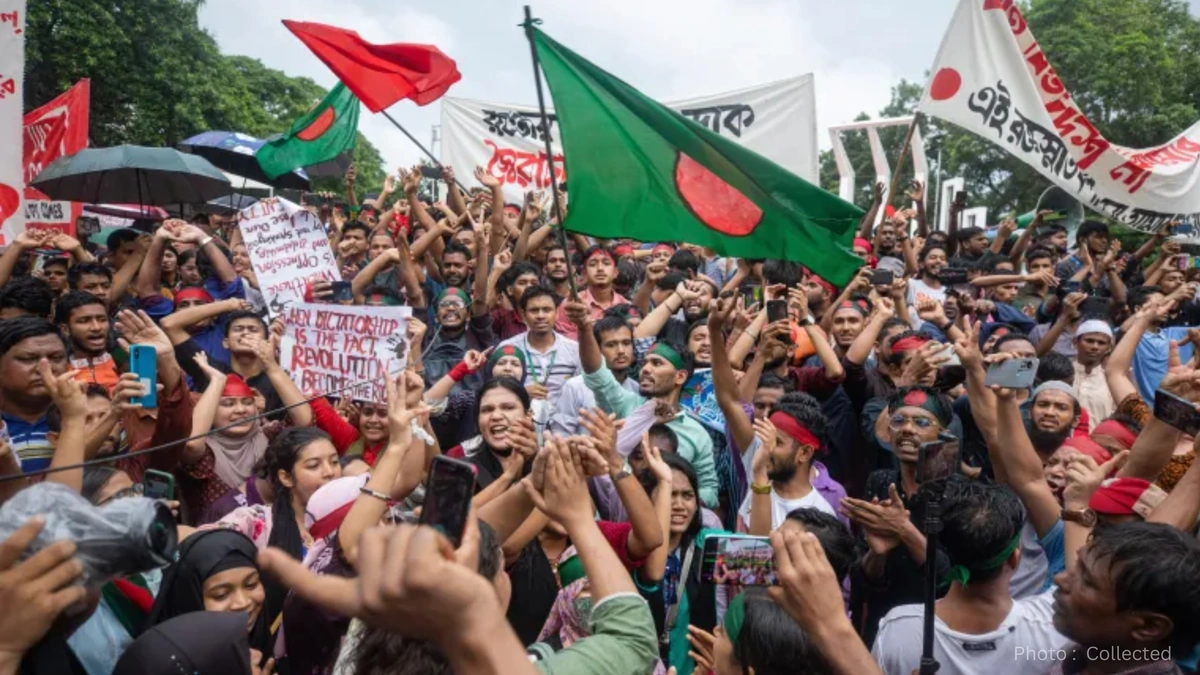
Parliament’s decision to repeal and let key accountability laws lapse sparks political tension and public concern
Fresh political debate has emerged in Dhaka as Bangladesh’s parliament moves to cancel or allow several reform measures to lapse, raising concerns about the future of democratic accountability following the 2024 student-led uprising.
The new parliament, dominated by the Bangladesh Nationalist Party, recently reviewed a total of 133 ordinances introduced by the interim administration led by Muhammad Yunus after the removal of former Prime Minister Sheikh Hasina. While most were approved, at least 23 key measures many linked to human rights, judicial independence, and anti-corruption oversight were either repealed or expired without parliamentary approval.
Critics argue that these changes represent a significant rollback of reforms designed to strengthen institutional transparency and reduce political interference. The отменён measures included provisions related to the National Human Rights Commission, enforced disappearances, judicial appointments, and police reforms areas long seen as central to improving governance.
Opposition leaders and civil society groups have expressed alarm, warning that the decisions could weaken oversight mechanisms and concentrate power within the executive branch. They say the reforms were part of a broader framework agreed upon after mass protests in 2024, which called for structural changes in governance and accountability.
However, government officials have rejected claims of backtracking. They insist the actions are part of a necessary legislative review process aimed at refining laws introduced during the interim period. Authorities argue that some ordinances lacked clarity and require further consultation before being reintroduced in improved form.
The issue has quickly moved beyond parliamentary debate, with protests and political mobilisation gaining momentum. Analysts suggest the controversy reflects a deeper struggle over the direction of Bangladesh’s political transition, balancing reform commitments with institutional stability.
As tensions continue to rise, observers say the government’s next steps will be crucial in determining whether the country advances its reform agenda or risks undermining the progress made after the historic uprising.
Related News





You may like




Tom Holland Says Marvel Has a Plan for the Next Spider-Man
August 1, 2026
Elected News
-
Bangladesh Seeks UN Women Support on Digital Harassment and Women’s Empowerment
-
Bangladesh, Australia Discuss Human Trafficking, Irregular Migration and Rohingya Crisis
-
Bangladesh Plans Internet-Free Access to Mobile Banking and Financial Apps
-
DU to Open Undergraduate Admission Applications on 11 November, Tests Begin 5 December


