UN Security Council debates AI, drones and disinformation risks
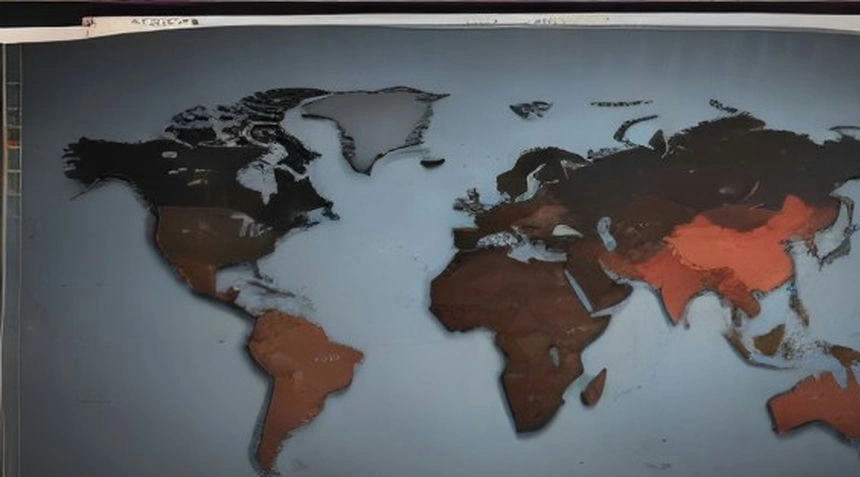
The UN Security Council is examining how AI, drones and disinformation are reshaping modern warfare. UN chief António Guterres has warned that killer robots must have no place in the future.
The United Nations Security Council is weighing the impact of artificial intelligence, drones and disinformation on global conflict on Tuesday. The deliberations come as UN chief António Guterres addresses ambassadors, warning that killer robots must have no place in the future.
The Security Council, the principal organ of the United Nations responsible for the maintenance of international peace and security, is assessing how rapid technological shifts are altering the nature of warfare. The body is specifically examining the role of autonomous systems and digital manipulation in ongoing and potential conflicts.
When the United Nations was founded in 1945, computers, the internet and satellites were described as the stuff of science fiction. The organisation was established to prevent a third world war and to foster cooperation among nations in a world that was just beginning to recover from the devastation of the Second World War.
Eight decades later, the technological landscape has transformed beyond recognition. Artificial intelligence is already assisting in targeting operations, allowing for faster and more precise military decisions. Drones are reshaping the dynamics of warfare, providing capabilities that were previously limited to large, manned aircraft or naval vessels.
Disinformation is spreading in unprecedented ways, fuelling record levels of conflict. The rapid dissemination of false or misleading information through digital channels is exacerbating tensions and complicating diplomatic efforts to resolve disputes. This digital dimension of conflict presents new challenges for international bodies tasked with maintaining peace.
UN chief António Guterres told ambassadors that killer robots must have no place in our future. His remarks highlight the ethical and security concerns surrounding the development of lethal autonomous weapons systems. The Secretary-General has long advocated for international regulation of emerging technologies to ensure they serve humanity rather than threaten it.
The debate in the Security Council reflects a growing recognition that traditional frameworks for arms control and conflict resolution may be insufficient to address the risks posed by modern technology. Member states are grappling with the need to balance innovation with safety, and to establish norms that prevent the proliferation of dangerous autonomous systems.
The outcome of the Tuesday session will be closely watched by diplomats, defence experts and civil society groups. While no immediate binding resolutions are expected, the discussions are part of a broader effort to shape the international response to the changing face of war. The UN aims to ensure that technological progress does not come at the cost of human security.
You may like

Australia proposes 5% revenue fines for tech firms over harmful content
November 24, 2026

China names Shenzhou 24 crew with first Pakistani astronaut
November 24, 2026

Fed officials weigh AI inflation risks ahead of rate decision
November 24, 2026

Elected News
-
Bangladesh Seeks UN Women Support on Digital Harassment and Women’s Empowerment
-

Bangladesh, Australia Discuss Human Trafficking, Irregular Migration and Rohingya Crisis
-

Bangladesh Plans Internet-Free Access to Mobile Banking and Financial Apps
-

DU to Open Undergraduate Admission Applications on 11 November, Tests Begin 5 December


