Bangladesh-Russia trade talks advance at Dhaka meeting
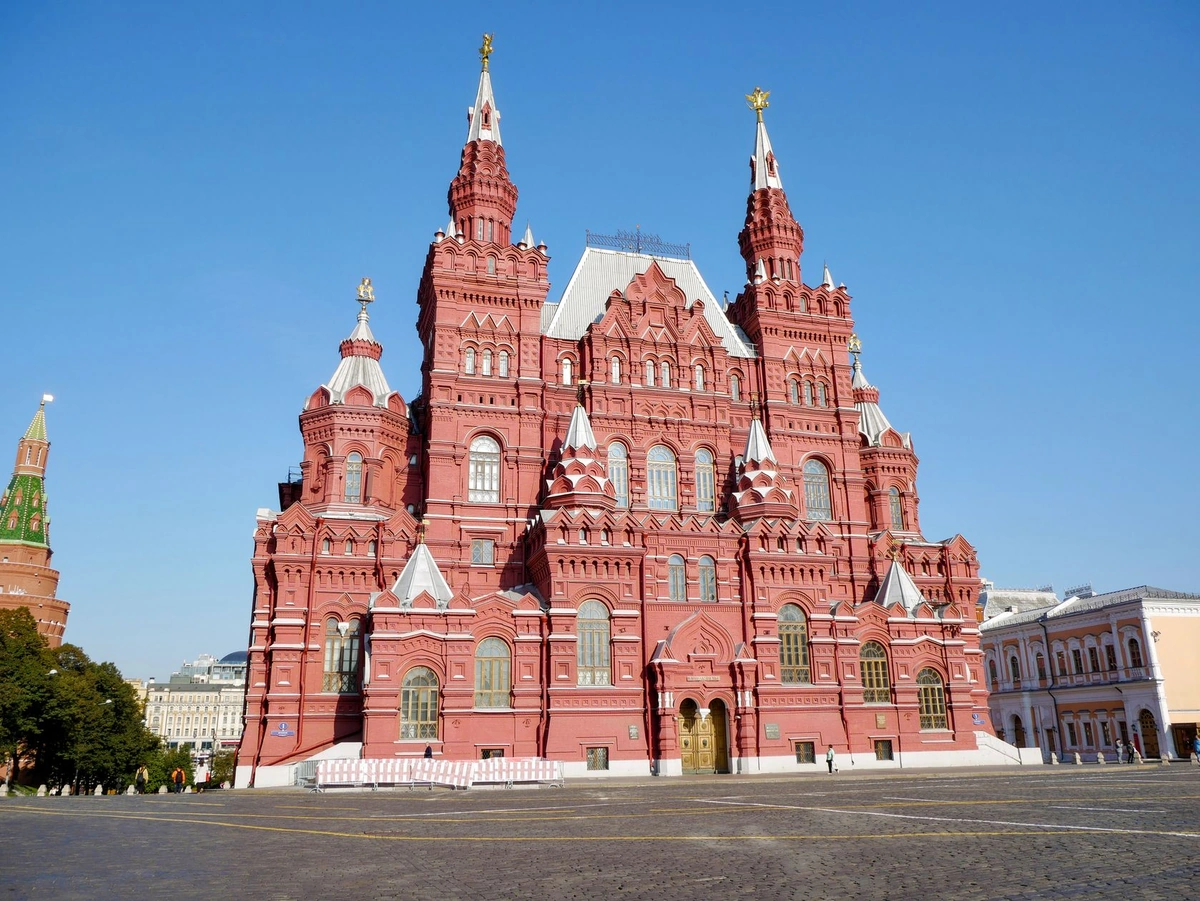
State Minister for Foreign Affairs Humaiun Kobir met Russian Ambassador Alexander Khozin in Dhaka to advance bilateral trade and economic cooperation. The talks followed the fifth Bangladesh-Russia Intergovernmental Commission meeting held earlier in November.
State Minister for Foreign Affairs Humaiun Kobir met with Russian Ambassador to Bangladesh Alexander Khozin on Wednesday at the Ministry of Foreign Affairs in Dhaka. The meeting focused on advancing bilateral trade, securing market access for Bangladeshi goods, and expanding economic cooperation between the two nations.
During the discussions, the State Minister acknowledged Russia's role in supplying essential commodities to Bangladesh, specifically noting the provision of wheat and fertiliser. These supplies are significant for Bangladesh's food security and agricultural sectors, which rely on consistent imports of key inputs to support domestic production and stability.
Kobir used the meeting to seek greater market access for Bangladeshi products within Russia. He highlighted the potential for expanding exports beyond traditional categories and urged for a more open commercial environment. This push for market access is part of a broader strategy to diversify Bangladesh's export destinations and reduce dependence on a limited number of trading partners.
The State Minister also invited Russian investors to explore investment opportunities in Bangladesh's economic zones. These special economic zones are designated areas designed to attract foreign direct investment by offering tax incentives, streamlined regulatory processes, and infrastructure support. By targeting Russian capital, Dhaka aims to bring new industrial capabilities and technology transfer to the country's manufacturing base.
According to UNB reports, Kobir called for the early implementation of decisions taken at the recent Bangladesh-Russia Intergovernmental Commission meeting. He stressed the importance of moving from agreement to action, ensuring that the commitments made by both sides are translated into tangible outcomes. The prompt execution of these decisions is viewed as critical for maintaining momentum in the bilateral relationship.
The two sides also discussed measures to diversify and further expand bilateral trade between the countries. Kobir expressed hope that pending agreements would be concluded soon, indicating that there are specific commercial and economic accords currently in the final stages of negotiation. The conclusion of these agreements is expected to provide a legal and regulatory framework that will facilitate smoother trade flows and investment protection.
The recent meeting was the fifth session of the Bangladesh-Russia Intergovernmental Commission (IGC) on Trade, Economic, Scientific and Technical Cooperation. This commission was established in 2017 and serves as the key mechanism for promoting bilateral economic relations between the two countries. It provides a structured platform for ministers and officials to review progress, identify new areas of cooperation, and resolve outstanding issues.
The fifth IGC meeting was held in Dhaka on November 5 and 6. This was a significant development as it marked the first in-person meeting of the commission since its inception, following a previous session that was held via videoconference in March 2023. The shift from virtual to physical meetings reflects the growing importance of the bilateral relationship and the desire for face-to-face engagement to deepen cooperation.
Beyond commerce, the officials reviewed potential collaboration in several other sectors. The discussions covered cooperation in skilled migration, which is a key area of interest for both countries given Bangladesh's large workforce and Russia's demand for skilled labour in various industries. The two sides explored ways to formalize and facilitate the movement of skilled workers from Bangladesh to Russia, ensuring that the process is orderly and beneficial for both parties.
Science and technology were also on the agenda, with both sides looking at opportunities for joint research, technological exchange, and capacity building. This area of cooperation is seen as vital for long-term development and innovation. The discussions included how the two countries can leverage their respective strengths in scientific research and technological development to address common challenges and create new opportunities.
Education was another key topic, with specific focus on scholarships and academic exchanges. The State Minister requested the Russian Embassy in Dhaka to simplify its visa appointment process for Bangladeshi students. This request was made in response to concerns about the complexity and time-consuming nature of the current visa application procedure, which can hinder students' ability to pursue education in Russia. Streamlining this process is expected to increase the number of Bangladeshi students studying in Russia, thereby strengthening people-to-people ties.
Ambassador Khozin responded to the State Minister's points by stating that Russia values its friendship with Bangladesh. He emphasized that Moscow is keen to expand cooperation in areas of mutual interest. The Ambassador's comments underscored Russia's commitment to the bilateral relationship and its willingness to engage constructively on the issues raised by the Bangladeshi side.
The meeting highlighted the multifaceted nature of the Bangladesh-Russia relationship, which extends beyond traditional trade to include investment, education, and scientific collaboration. The focus on early implementation of IGC decisions signals a desire to accelerate the pace of cooperation and ensure that the benefits of the partnership are realized quickly.
For Bangladesh, the engagement with Russia is part of a broader diplomatic strategy to maintain balanced relations with major powers while expanding economic ties. The emphasis on market access and investment reflects the country's need to attract foreign capital and open new markets for its exports. The discussions on skilled migration and education also address domestic priorities related to workforce development and human capital formation.
The establishment of the Intergovernmental Commission in 2017 marked a significant step in institutionalizing the bilateral relationship. By providing a regular forum for high-level dialogue, the commission has helped to keep the relationship on track and to address emerging issues in a timely manner. The recent in-person meeting in Dhaka further solidified this institutional framework and demonstrated the commitment of both governments to the partnership.
As the two countries move forward, the focus will be on translating the agreements and commitments made during the IGC meeting into concrete actions. The simplification of visa processes for students and the facilitation of skilled migration are immediate steps that can yield visible results. In the longer term, the expansion of trade and investment is expected to contribute to economic growth and development in both countries.
The meeting concluded with both sides expressing satisfaction with the outcomes and a commitment to continue working together. The next steps will involve follow-up meetings and technical discussions to address the specific issues raised. The diplomatic engagement in Dhaka sets the stage for a deeper and more comprehensive partnership between Bangladesh and Russia in the coming years.
The chronology of events leading up to this meeting includes the establishment of the IGC in 2017, the virtual meeting in March 2023, and the in-person meeting in November. This progression reflects the evolving nature of the bilateral relationship and the increasing importance of face-to-face diplomacy in advancing shared interests. The current meeting builds on these previous engagements and aims to take the relationship to a new level of cooperation.
You may like

Great Britain energy bills to rise 26% as price cap hits £2,166
November 25, 2026
Bengal Commercial Bank partners with Dhaka North City Corporation
November 25, 2026
Meta faces legal action from Kenyan moderators over PTSD and AI layoffs
November 25, 2026
Elected News
-
Bangladesh Seeks UN Women Support on Digital Harassment and Women’s Empowerment
-
Bangladesh, Australia Discuss Human Trafficking, Irregular Migration and Rohingya Crisis
-
Bangladesh Plans Internet-Free Access to Mobile Banking and Financial Apps
-
DU to Open Undergraduate Admission Applications on 11 November, Tests Begin 5 December


