Bangladesh launches first quarterly bulletin on artificial intelligence
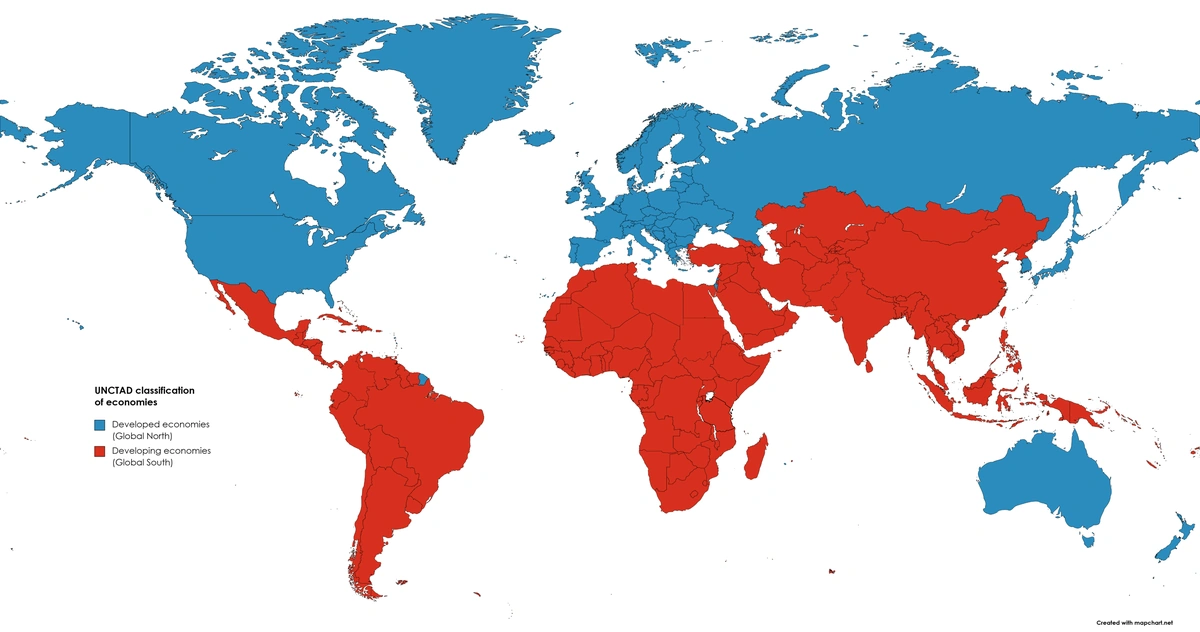
Bangladesh has introduced its first AI-focused quarterly bulletin to promote regional technological growth. The publication seeks to address structural gaps and foster local innovation in the Global South.
Bangladesh has officially launched its first quarterly bulletin dedicated to artificial intelligence, titled 'AI for the Global South: A Quarterly Bulletin'. The inaugural issue was unveiled on Tuesday during a ceremony held at a city hotel, marking a collaborative effort between the Eelaia Foundation, the Centre for Alternatives and Argus Diplomatic Intelligence.
State Minister for Primary and Mass Education Bobby Hajjaj attended the event as the chief guest. During his address, the minister suggested that the region should shift its perspective on technological development, stating that the ultimate goal should be 'AI by the Global South' rather than merely 'AI for the Global South'.
Dr. Md. Nazrul Islam, secretary (East and West) at the Ministry of Foreign Affairs, welcomed the publication as a timely initiative. He expressed optimism that the bulletin would play a significant role in guiding Bangladesh’s ongoing journey in the artificial intelligence sector.
Masud Jamil Khan, the editor of the bulletin and president of the Eelaia Foundation, explained that the publication is intended to serve as a milestone for AI education far beyond national borders. He noted that the initiative aims to reach cities including Nairobi, São Paulo and Jakarta. Khan also emphasised the necessity of overcoming linguistic barriers to establish Bangla as a robust language for AI applications.
Prof Imtiaz Ahmed, the bulletin's editor-in-chief and executive director of the Centre for Alternatives, highlighted that while Bangladesh possesses immense potential in the field, significant structural weaknesses remain. He identified the lack of high-speed internet and limited AI literacy as critical gaps that must be bridged to ensure the technology benefits urban populations, farmers and the general public.
Addressing the concept of digital sovereignty, Prof Ahmed clarified that it should not be interpreted as a move toward global isolation. Instead, he argued that it involves making cyber networks safer and stronger through international cooperation. He further urged for the integration of Bangla AI writing and speech large language models to address current deficiencies in AI models, alongside the establishment of a comprehensive regulatory framework for AI within Bangladesh.
Firoze M Zahidur Rahman, co-founder of Argus Diplomatic Intelligence, remarked that the Global South’s approach to AI must diverge from Western trajectories. He suggested that Bangladesh should leverage the skills of its existing freelance workforce to explore AI applications from a unique perspective, ensuring that the technology remains accessible to local businesses and farmers. He also stressed the importance of democratising knowledge through artificial intelligence.
The event concluded with a vote of thanks delivered by Kate Jaro Khan, vice president of the Eelaia Foundation. The launch was attended by a diverse group of stakeholders, including AI analysts, technology experts, diplomats and senior representatives from various academic and professional organisations.
You may like

Great Britain energy bills to rise 26% as price cap hits £2,166
November 25, 2026

Bengal Commercial Bank partners with Dhaka North City Corporation
November 25, 2026

Meta faces legal action from Kenyan moderators over PTSD and AI layoffs
November 25, 2026

West Bengal minister says India will take Bangladesh by December 16
November 25, 2026
Elected News
-
Bangladesh Seeks UN Women Support on Digital Harassment and Women’s Empowerment
-

Bangladesh, Australia Discuss Human Trafficking, Irregular Migration and Rohingya Crisis
-

Bangladesh Plans Internet-Free Access to Mobile Banking and Financial Apps
-

DU to Open Undergraduate Admission Applications on 11 November, Tests Begin 5 December


