Bangladesh Targets Local Production to End Digital Import Dependency
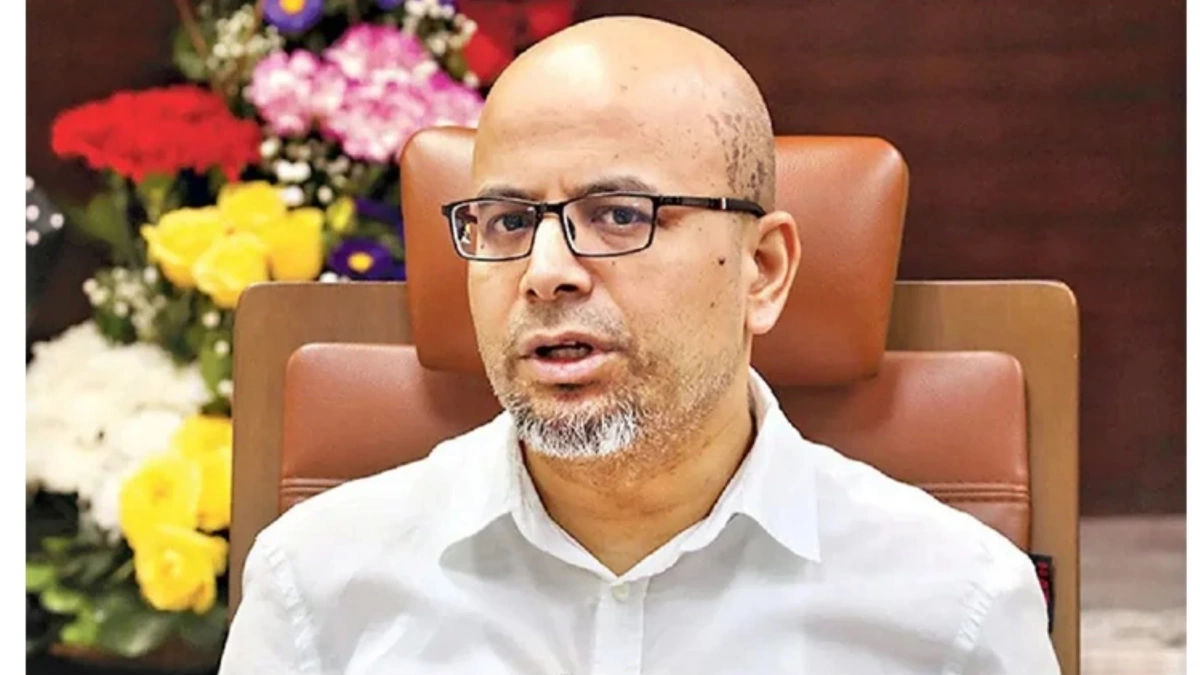
The government is set to overhaul its tech policies to transform Bangladesh into a digital manufacturing hub. By slashing duties on parts and supporting local assembly, the Ministry of ICT aims to close the gap in a market where laptop and tablet usage remains critically low.
Faiz Ahmad Taiyeb, Special Assistant to the Chief Adviser, has called for a strategic shift toward domestic production to reduce Bangladesh’s reliance on imported digital devices. Speaking at the closing ceremony of the Digital Device and Innovation Expo-2026, Taiyeb emphasized that sustainable digital growth depends on local manufacturing. To support this transition, the government has already initiated duty reductions for the battery and mobile phone assembly industries, signaling a pro-investor climate for tech entrepreneurs.
The move comes as officials highlight a massive untapped domestic market. While smartphone penetration in Bangladesh has reached 45%, laptop usage sits at a mere 10%, and tablet adoption is as low as 2–5%. This disparity represents a significant opportunity for local brands to cater to the country’s youth and expanding workforce. Taiyeb urged the business community to demonstrate how further policy support could simultaneously boost local innovation and government revenue.
In a parallel effort to formalize the market, the government recently launched the National Equipment Identity Register (NEIR) to block illegally imported and counterfeit handsets. By lowering customs duties on components for local assemblers from 10% to 5%, the administration hopes to make "Made in Bangladesh" devices the more affordable and attractive choice for consumers, ultimately curbing the inflow of smuggled and refurbished goods.
The move comes as officials highlight a massive untapped domestic market. While smartphone penetration in Bangladesh has reached 45%, laptop usage sits at a mere 10%, and tablet adoption is as low as 2–5%. This disparity represents a significant opportunity for local brands to cater to the country’s youth and expanding workforce. Taiyeb urged the business community to demonstrate how further policy support could simultaneously boost local innovation and government revenue.
In a parallel effort to formalize the market, the government recently launched the National Equipment Identity Register (NEIR) to block illegally imported and counterfeit handsets. By lowering customs duties on components for local assemblers from 10% to 5%, the administration hopes to make "Made in Bangladesh" devices the more affordable and attractive choice for consumers, ultimately curbing the inflow of smuggled and refurbished goods.
Related News


You may like



Tom Holland Says Marvel Has a Plan for the Next Spider-Man
August 1, 2026
Elected News
-
Bangladesh Seeks UN Women Support on Digital Harassment and Women’s Empowerment
-

Bangladesh, Australia Discuss Human Trafficking, Irregular Migration and Rohingya Crisis
-
Bangladesh Plans Internet-Free Access to Mobile Banking and Financial Apps
-

DU to Open Undergraduate Admission Applications on 11 November, Tests Begin 5 December


