Chief adviser urges armed forces to remain on high alert for credible polls
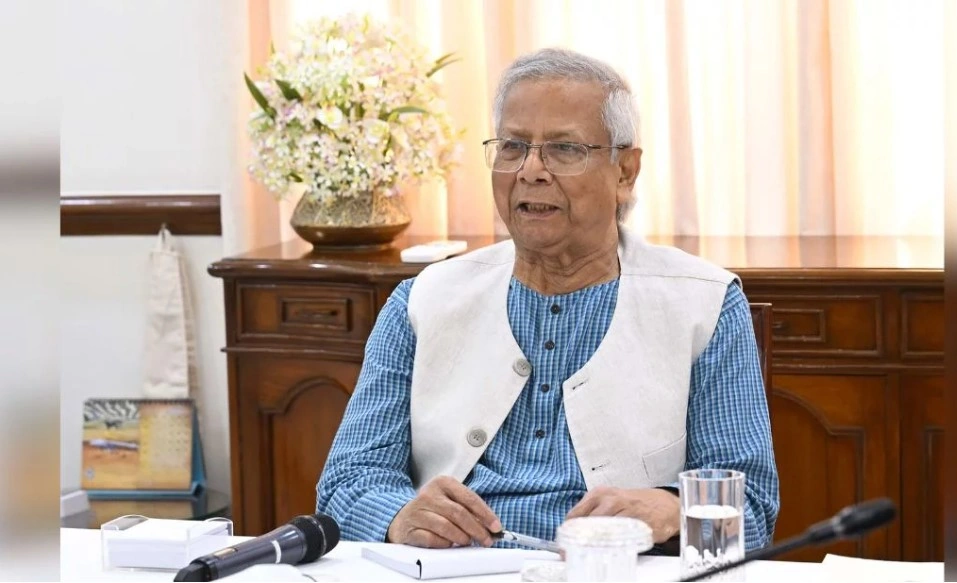
Chief Adviser Professor Muhammad Yunus said the upcoming referendum and parliamentary election mark a decisive moment for Bangladesh’s democratic future. He stressed that the armed forces must help ensure a free, fair, impartial and fear-free voting environment.
Chief Adviser Professor Muhammad Yunus on Monday directed the armed forces to remain on high alert to help ensure a free, fair, impartial and acceptable referendum and 13th national parliamentary election scheduled for February 12.
He made the remarks while speaking at a view-exchange meeting with senior military officers at Army Headquarters, describing the upcoming polls as a critical juncture for Bangladesh’s democratic future and highlighting the armed forces’ vital role in maintaining a secure and festive electoral environment.
“As a symbol of public trust, the armed forces will, as in the past, discharge their responsibilities with professionalism, impartiality and accountability,” he said.
The chief adviser paid tribute to the martyrs of the Liberation War and the July–August student uprising, recalling the armed forces’ contribution to restoring law and order in the post-fascist period. He said their role would be remembered in national history.
Calling the election unprecedented in significance, Prof Yunus said the vote would represent the final expression of long-suppressed public aspirations that emerged through the July 24 uprising.
“Through the referendum, people will express their views on the future state system, and through the parliamentary election they will choose representatives to implement that mandate,” he said.
He noted that many young citizens would be voting for the first time, while many elderly voters had been deprived of voting rights for years, making it essential to ensure a safe, celebratory and intimidation-free atmosphere at polling centres.
Stressing that free and fair elections are the foundation of a democratic state, he said the administration and the Election Commission must receive maximum support so every citizen can cast their vote without fear or influence.
Professor Yunus also instructed senior military leaders to ensure all field-level decisions remain lawful, restrained and responsible, warning that even minor deviations could undermine public confidence.
He further highlighted initiatives to modernise the armed forces, saying the interim government has prioritised self-reliance and capacity building, including plans for defence manufacturing facilities and defence cooperation agreements with the Netherlands, Malaysia, Italy, Japan and Thailand.
He made the remarks while speaking at a view-exchange meeting with senior military officers at Army Headquarters, describing the upcoming polls as a critical juncture for Bangladesh’s democratic future and highlighting the armed forces’ vital role in maintaining a secure and festive electoral environment.
“As a symbol of public trust, the armed forces will, as in the past, discharge their responsibilities with professionalism, impartiality and accountability,” he said.
The chief adviser paid tribute to the martyrs of the Liberation War and the July–August student uprising, recalling the armed forces’ contribution to restoring law and order in the post-fascist period. He said their role would be remembered in national history.
Calling the election unprecedented in significance, Prof Yunus said the vote would represent the final expression of long-suppressed public aspirations that emerged through the July 24 uprising.
“Through the referendum, people will express their views on the future state system, and through the parliamentary election they will choose representatives to implement that mandate,” he said.
He noted that many young citizens would be voting for the first time, while many elderly voters had been deprived of voting rights for years, making it essential to ensure a safe, celebratory and intimidation-free atmosphere at polling centres.
Stressing that free and fair elections are the foundation of a democratic state, he said the administration and the Election Commission must receive maximum support so every citizen can cast their vote without fear or influence.
Professor Yunus also instructed senior military leaders to ensure all field-level decisions remain lawful, restrained and responsible, warning that even minor deviations could undermine public confidence.
He further highlighted initiatives to modernise the armed forces, saying the interim government has prioritised self-reliance and capacity building, including plans for defence manufacturing facilities and defence cooperation agreements with the Netherlands, Malaysia, Italy, Japan and Thailand.
Related News



You may like




Tom Holland Says Marvel Has a Plan for the Next Spider-Man
August 1, 2026
Elected News
-
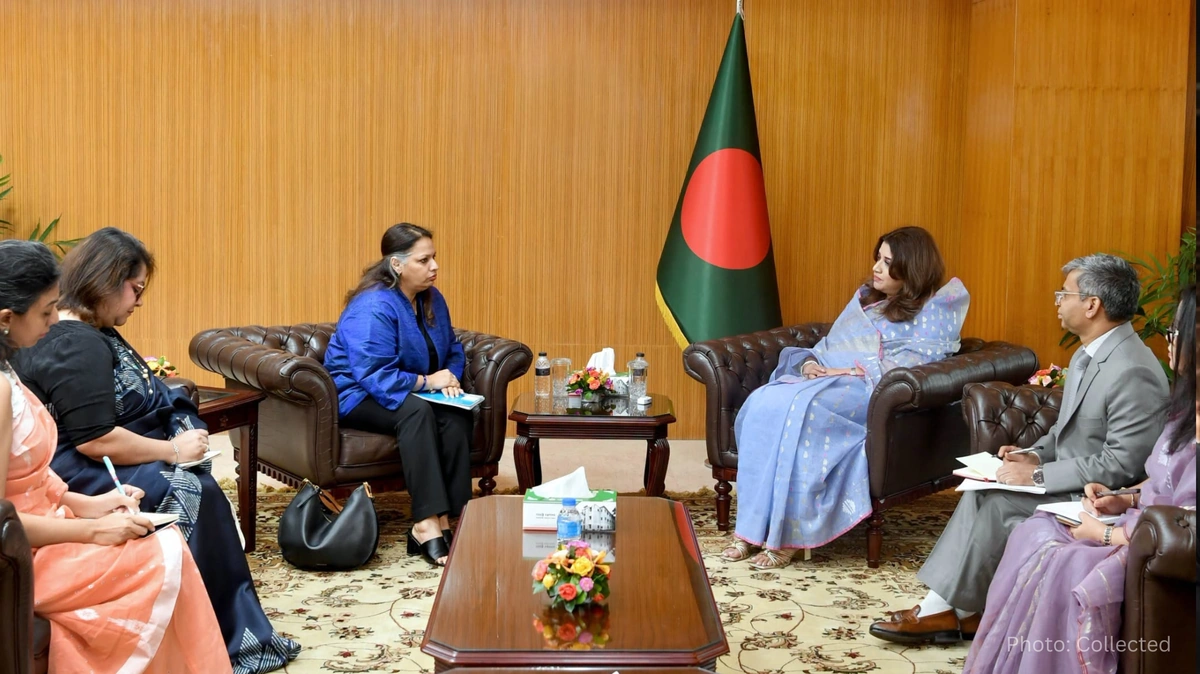
Bangladesh Seeks UN Women Support on Digital Harassment and Women’s Empowerment
-
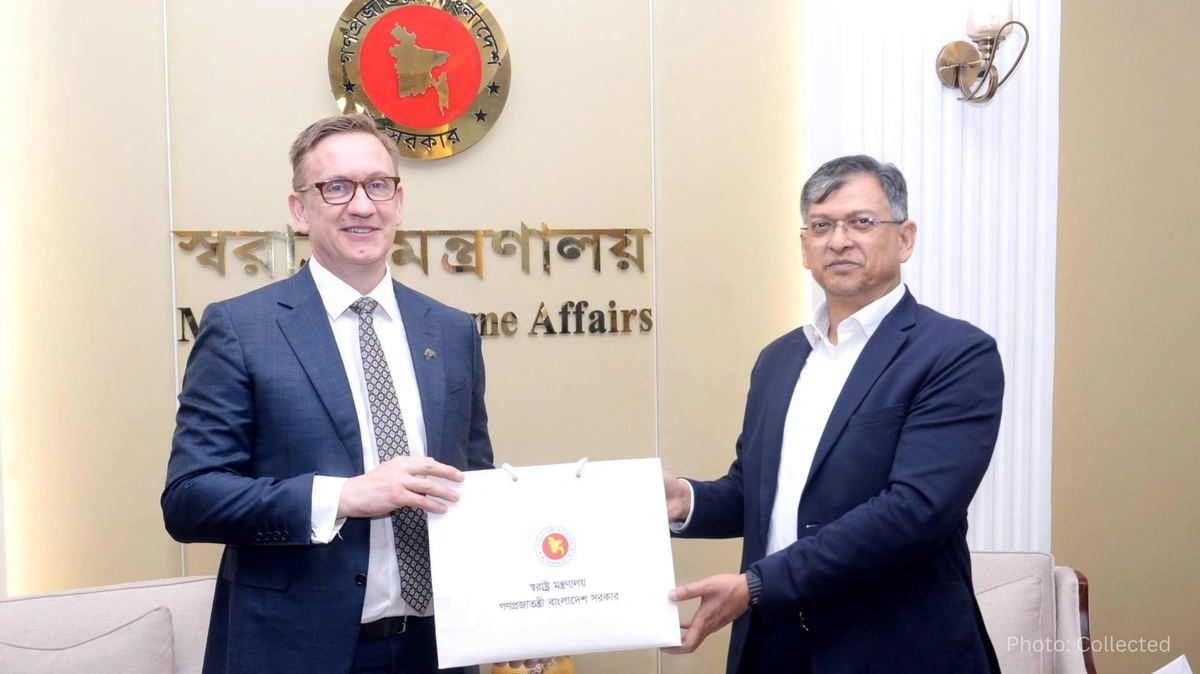
Bangladesh, Australia Discuss Human Trafficking, Irregular Migration and Rohingya Crisis
-

Bangladesh Plans Internet-Free Access to Mobile Banking and Financial Apps
-

DU to Open Undergraduate Admission Applications on 11 November, Tests Begin 5 December


