Rising Cost of Living in Dhaka Puts Increasing Pressure on Household Budgets
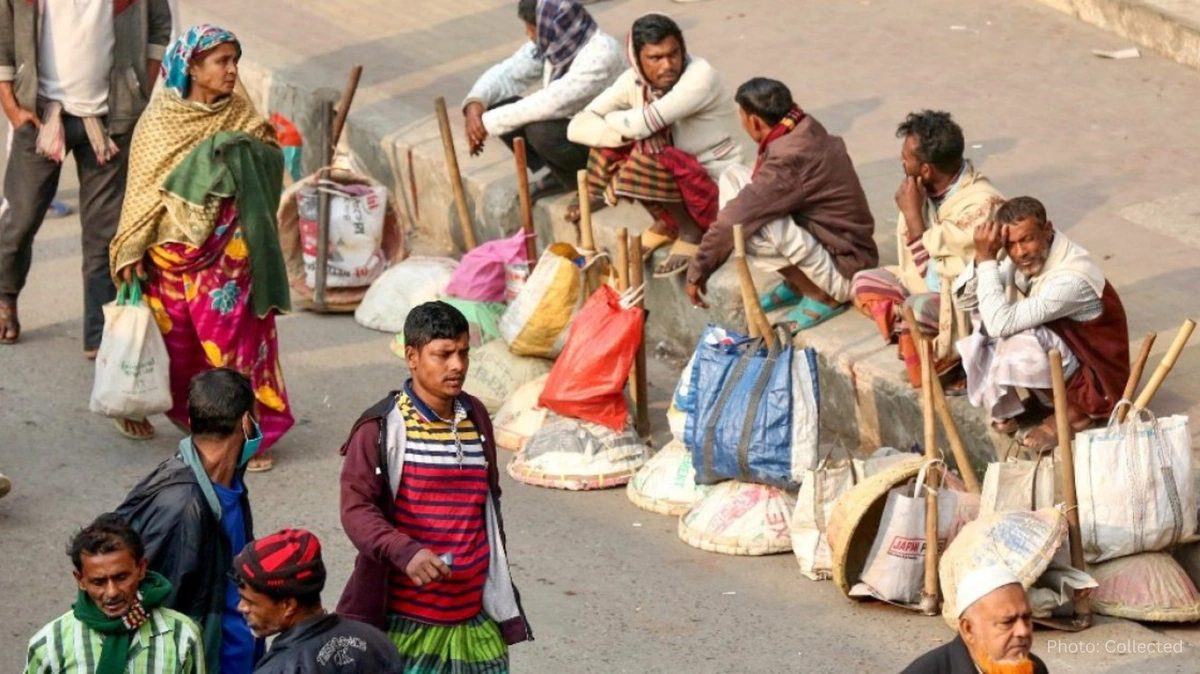
Escalating prices of food, housing, transportation, healthcare, and essential services are forcing residents of Bangladesh's capital to reassess spending habits, as economists warn that prolonged inflation could deepen financial strain on middle- and low-income families.
The rising cost of living in Dhaka has emerged as one of the most pressing concerns for residents of Bangladesh's bustling capital, with households across income groups struggling to keep pace with the increasing prices of everyday necessities. From groceries and rent to transportation and utility bills, the growing financial burden is reshaping consumption patterns and intensifying concerns over economic stability at the household level.
For many families, the monthly budget that once covered basic needs is no longer sufficient. Consumers report spending significantly more on staple food items, including rice, cooking oil, vegetables, eggs, fish, and meat. Frequent fluctuations in market prices have made it difficult for households to plan expenditures, forcing many to prioritize essential purchases while postponing discretionary spending.
Middle-income families, traditionally regarded as financially stable, are increasingly feeling the effects of inflation. Parents are adjusting education expenses, reducing recreational activities, and limiting non-essential purchases to manage rising costs. Meanwhile, lower-income households, many of whom already operate on tight budgets, face even tougher decisions involving food consumption, healthcare access, and daily transportation.
Housing remains one of the largest contributors to the cost-of-living crisis in Dhaka. Rental expenses in many parts of the city have steadily increased over recent years, driven by high demand, urban population growth, and limited affordable housing options. Tenants frequently cite rent adjustments, maintenance charges, and additional utility expenses as significant financial pressures that consume a substantial portion of monthly earnings.
Transportation costs have also become a growing concern. Employees commuting long distances to workplaces often spend a considerable share of their income on buses, ride-sharing services, and other forms of transit. Increased operational costs faced by transport providers can ultimately translate into higher fares for commuters, further affecting disposable income.
Healthcare expenses have added another layer of financial stress. Rising consultation fees, diagnostic costs, and medicine prices have compelled some families to delay non-emergency treatments or seek lower-cost alternatives. Experts warn that postponing medical care due to financial constraints can have long-term consequences for public health and productivity.
Utility costs, including electricity, gas, internet services, and household maintenance expenses, have similarly contributed to the squeeze on family finances. Combined with educational expenses and unforeseen emergencies, these obligations often leave little room for savings, increasing vulnerability to economic shocks.
Economists attribute the rising cost of living to a combination of domestic and international factors. Global supply chain disruptions, fluctuations in fuel and commodity prices, currency-related pressures, and broader inflationary trends have influenced local markets. At the same time, rapid urbanization and sustained demand for housing and services within Dhaka have amplified cost pressures unique to the capital.
Small business owners are also navigating difficult circumstances. Higher operating expenses, including raw materials, transportation, and wages, can reduce profit margins and compel businesses to increase prices. While some enterprises manage to adapt through efficiency measures, others struggle to maintain affordability without compromising sustainability.
In response to these challenges, policy analysts have emphasized the importance of targeted interventions aimed at protecting vulnerable populations. Measures such as strengthening market oversight, improving supply chain efficiency, expanding social safety programs, and supporting income-generating opportunities are frequently highlighted as potential strategies to ease the burden on households.
Consumer advocates also stress the need for greater awareness regarding budgeting, savings, and financial planning. While individual adjustments may help families cope temporarily, experts argue that broader structural solutions are necessary to address persistent inflationary pressures and ensure long-term economic resilience.
Despite the mounting difficulties, Dhaka's residents continue to demonstrate adaptability and determination. Families are seeking creative ways to stretch household budgets, entrepreneurs are exploring cost-effective business practices, and communities are supporting one another during uncertain times.
As Bangladesh pursues its broader development ambitions, the challenge of balancing economic growth with affordability remains a critical issue. The rising cost of living in Dhaka serves as a reminder that macroeconomic progress must ultimately translate into improved quality of life for ordinary citizens. Ensuring that growth remains inclusive and that essential goods and services remain accessible will be central to maintaining social and economic stability in the years ahead.
Related News


You may like




Tom Holland Says Marvel Has a Plan for the Next Spider-Man
August 1, 2026
Elected News
-
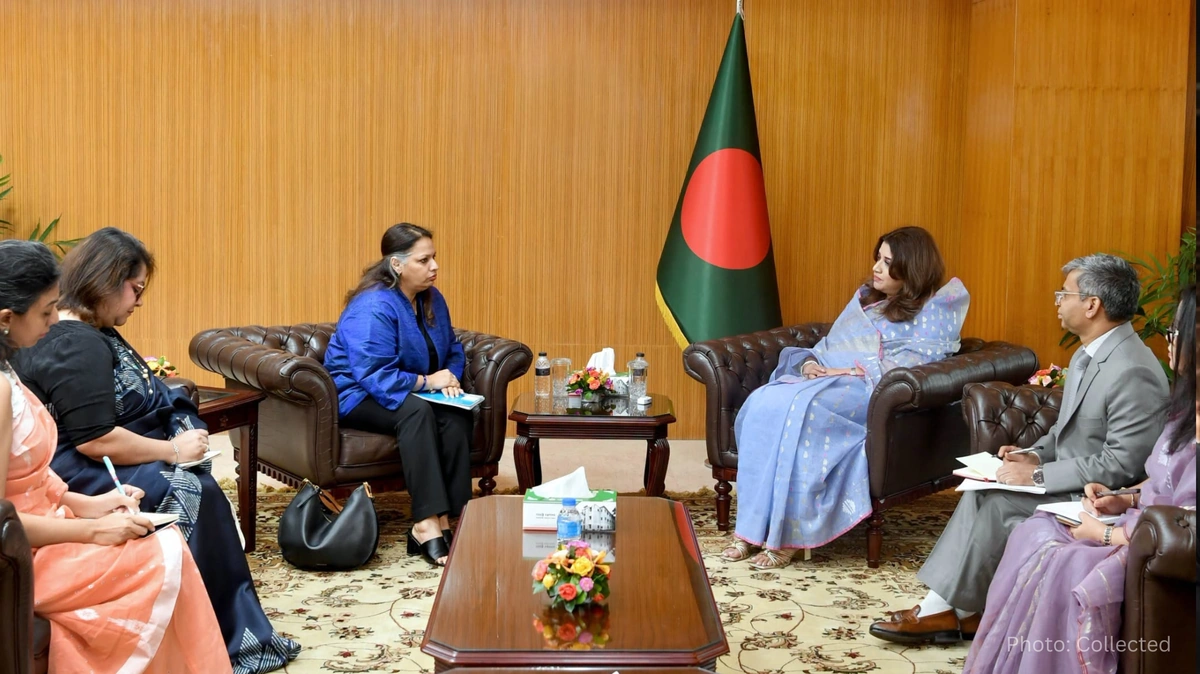
Bangladesh Seeks UN Women Support on Digital Harassment and Women’s Empowerment
-
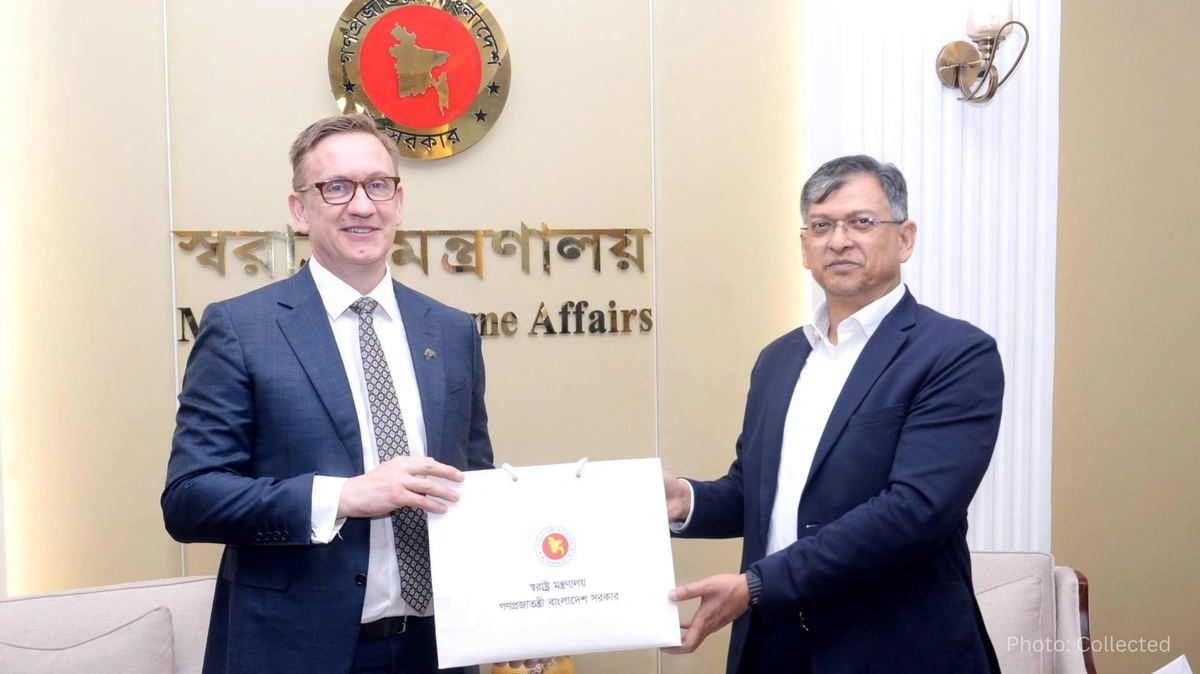
Bangladesh, Australia Discuss Human Trafficking, Irregular Migration and Rohingya Crisis
-
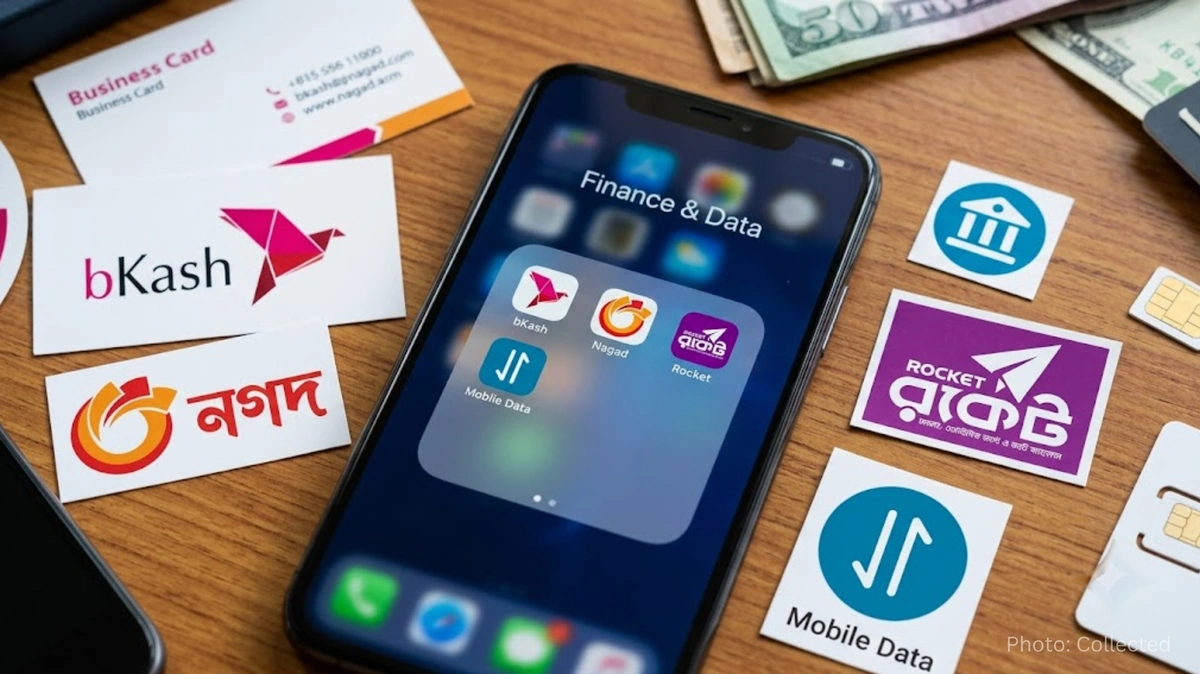
Bangladesh Plans Internet-Free Access to Mobile Banking and Financial Apps
-
DU to Open Undergraduate Admission Applications on 11 November, Tests Begin 5 December


