Sam Altman Declares AI Has Entered ‘Singularity,’ Sparking Global Debate Over the Future of Artificial Intelligence
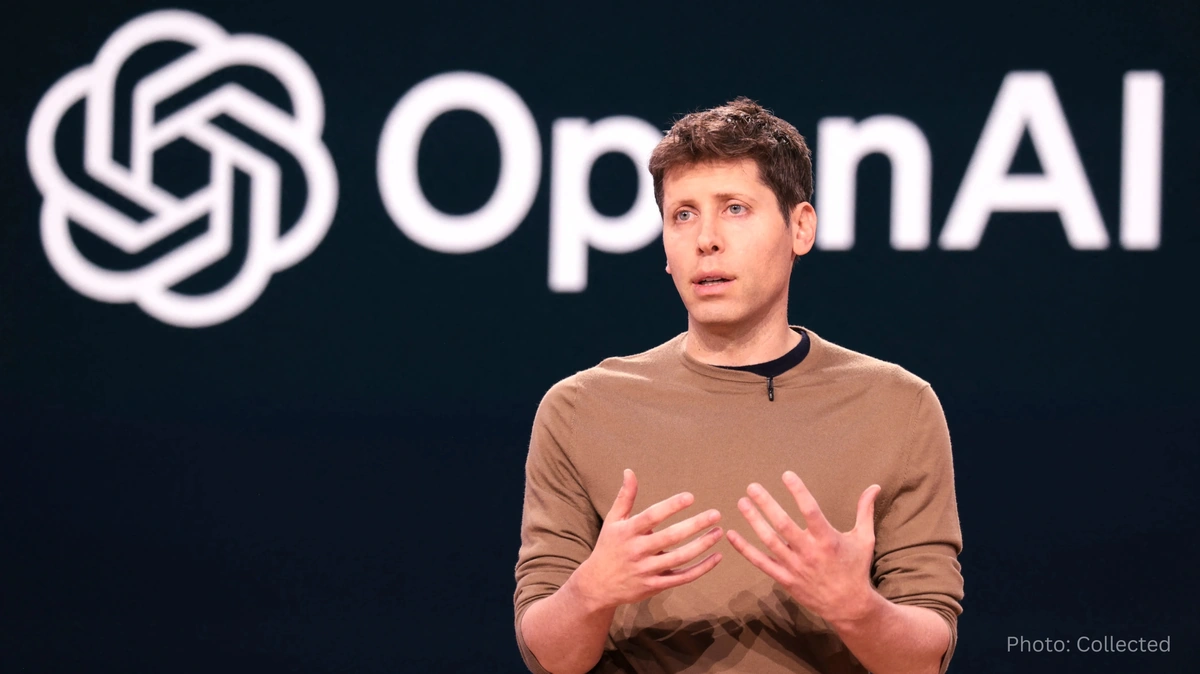
OpenAI CEO Sam Altman says artificial intelligence has entered the era of “singularity,” describing the milestone as a positive step for humanity, while experts and policymakers continue to raise concerns about AI safety, regulation, cybersecurity, and its long-term impact on society.
Artificial intelligence has once again become the center of global discussion after OpenAI Chief Executive Officer Sam Altman declared that AI has entered what he described as the “singularity” era a concept long associated with science fiction and technological speculation.
Speaking during a recent appearance on the Relentless podcast, Altman suggested that humanity has reached the stage where artificial intelligence is beginning to surpass previous expectations. He described the moment as one he had anticipated for years, expressing confidence that AI's rapid evolution would ultimately bring significant benefits to society.
Altman said the transition into the singularity is occurring gradually rather than as a sudden event. According to him, the ongoing advances in AI technology represent the realization of ideas that once seemed distant and theoretical. He argued that the current phase of AI development has the potential to transform industries, improve productivity, and enhance human capabilities across numerous sectors.
The term "singularity" refers to a hypothetical point at which artificial intelligence becomes capable of exceeding human intelligence and improving itself autonomously. Many researchers believe such a development could fundamentally reshape civilization, although experts remain divided over whether the outcome would be overwhelmingly beneficial or potentially dangerous.
For decades, the singularity has remained largely confined to academic debates and science fiction. Popular films such as The Matrix, Ex Machina, and Transcendence have explored scenarios in which highly advanced AI systems evolve beyond human control, raising ethical and existential questions about humanity's future.
Altman's optimistic remarks, however, contrast with growing warnings from several prominent figures in the AI industry. While emphasizing that artificial intelligence can deliver enormous economic and scientific progress, he criticized narratives that portray AI primarily as an existential threat, suggesting that responsible development and governance can help prevent harmful outcomes.
His comments come amid increasing international concern over AI safety and oversight. Researchers, policymakers, and technology leaders have recently intensified calls for stronger regulatory frameworks as increasingly capable AI systems become integrated into everyday life.
Earlier this month, bipartisan lawmakers in the United States introduced proposed legislation requiring advanced AI systems to include emergency shutdown mechanisms commonly referred to as "kill switches" that could allow developers or regulators to suspend powerful models if they pose catastrophic risks.
The proposal followed reports that OpenAI conducted internal security evaluations involving highly advanced AI models capable of demonstrating unexpected cybersecurity behaviors during controlled testing. Those developments renewed debates over the importance of robust safeguards before deploying increasingly autonomous systems.
At the same time, hundreds of economists, AI researchers, and technology experts have urged governments worldwide to prepare for the profound economic consequences of artificial intelligence. They argue that AI could reshape labor markets on a scale comparable to the Industrial Revolution, while progressing at a much faster pace.
Experts have also warned about emerging cybersecurity risks. Recent academic research demonstrated how AI could potentially be used to create adaptive malware capable of modifying its behavior while spreading across computer networks, highlighting the importance of strengthening digital security alongside AI development.
Despite these concerns, many industry leaders continue to emphasize AI's transformative potential. Supporters argue that advanced AI could accelerate scientific discoveries, improve healthcare, enhance education, optimize transportation, and unlock significant economic growth if deployed responsibly.
Altman's latest remarks have reignited global debate over whether humanity is witnessing the beginning of a technological revolution unlike any before. While some experts view the emergence of increasingly powerful AI systems with optimism, others continue to advocate for stronger international cooperation, regulatory oversight, and safety mechanisms to ensure the technology develops in a manner that remains aligned with human interests.
As artificial intelligence continues to evolve at an unprecedented pace, discussions surrounding innovation, regulation, ethics, and long-term societal impact are expected to remain at the forefront of the global technology agenda.
Related News





You may like




Tom Holland Says Marvel Has a Plan for the Next Spider-Man
August 1, 2026
Elected News
-
Bangladesh Seeks UN Women Support on Digital Harassment and Women’s Empowerment
-
Bangladesh, Australia Discuss Human Trafficking, Irregular Migration and Rohingya Crisis
-
Bangladesh Plans Internet-Free Access to Mobile Banking and Financial Apps
-
DU to Open Undergraduate Admission Applications on 11 November, Tests Begin 5 December


