If want to start a rooftop garden in winter, here’s how to prepare right now
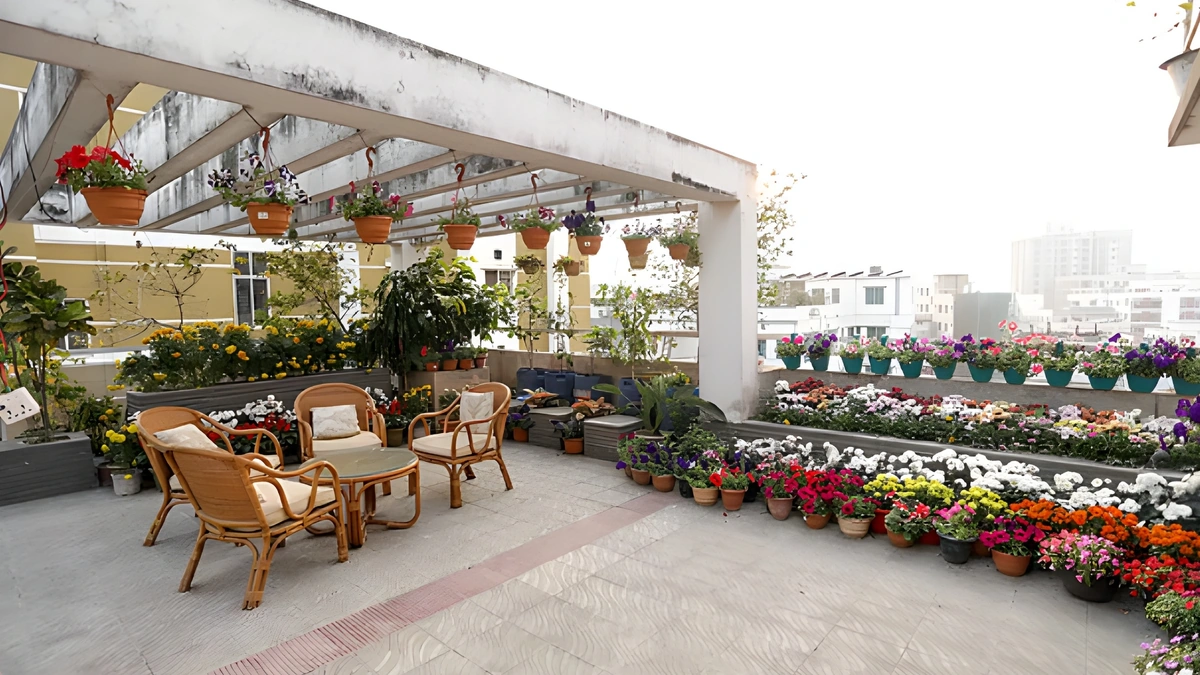
With the change of seasons, the garden needs to be reorganized anew. For that, some preparation in advance is necessary. Winter is approaching, which is the best time for growing flowers and vegetables. So, preparations must begin now.
There are many vegetables in winter that can be easily grown in pots or grow bags. These do not require a raised bed or additional structures.
Vegetables suitable for cultivation: Eggplant, tomato, yardlong bean, squash, radish, carrot, beetroot, cabbage, cauliflower, broccoli, sweet potato, chili, capsicum, lettuce, mint leaves, coriander leaves, etc.
Pots: Pots, buckets, grow bags, or geo bags with a depth of 12 to 15 inches.
Soil: A mixture of equal parts loamy soil, organic manure, and sandy soil.
Sunlight: At least five to six hours of direct sunlight per day is essential.
Seedling planting: You can grow seedlings directly from seeds or also plant good quality seedlings collected from nurseries.
Care: Tomato and eggplant stems may break, so you can support the plants with sticks or stakes. Apply organic fertilizer every 15 days, especially liquid cow dung manure or compost fertilizer.
Some climbing vegetables grow very well on trellises in winter. For this, you need to prepare the trellis or support in advance.
Vegetables suitable for cultivation: Bottle gourd, beans, winged beans, and cucumber.
Trellis: You can make a trellis using bamboo, rope, or netting.
Pot: Use a 20-inch pot or a large half drum. The bigger the pot, the better.
Soil: Organic manure-rich soil (in the ratio of 4:2:1 soil, manure, coco peat).
Planting: Seeds soaked overnight can be sown directly in the drum.
Sunlight: Six to seven hours of sunlight per day are needed. The more sunlight, the better.
Disease and pest management: To prevent fungal infections, keep the trellis clean regularly. Red beetle pests appear on bean and winged bean leaves; they should be controlled by spraying neem oil.
The most flowers can be seen on rooftops during winter. Popular flowers suitable for planting in winter include marigold, cosmos, china aster, zinnia, dahlia, sunflower, petunia, dianthus, dopati, gerbera, azalea, button flower, aster, hollyhock, salvia, and verbena.
Soil: You can prepare the soil by mixing 50% loamy soil, 30% compost, and 20% coco peat.
Planting: Flowers can be grown using seedlings purchased from nurseries. If you have preserved seeds of last year’s winter flowers, you can also raise seedlings from those. Like sweet potatoes, if you have preserved the tubers of dahlia flowers, you can plant those tubers now.
Sunlight: At least five hours of sunlight per day is necessary.
Water: Water two to three times a week in the morning. Water when the soil in the pot becomes dry.
Fertilizer: You can apply a small amount of organic fertilizer starting 10 days after planting the seedlings.
Pesticides and Care
Neem oil: Spraying once or twice a week will reduce insect attacks.
Ash: You can sprinkle ash to prevent leaf rot and fungal diseases.
Organic fertilizer: Apply vermicompost or liquid fertilizer every 15 to 20 days.
Others: If dew forms at night, avoid watering the plants at night or in the evening to prevent root rot. In that case, water the plants in the morning.
Start preparing now
The entire month of October is the ideal time for sowing winter seeds in rooftop gardens. So don’t wait any longer start preparing now. For those who want to start a new garden, beginning with vegetable cultivation is a good option.
Start small without planting too many plants at once. Among leafy vegetables, choose red amaranth, spinach, and kangkong. For potted vegetables, select preferred varieties of eggplant and tomato. Among climbing vegetables, beans, bottle gourd, and winged bean are good choices.
Always use organic fertilizer. This will keep both the soil and the crops healthy.
Ensure the protection of your rooftop. Always make sure excess water does not accumulate on the roof.
Related News
You may like




Tom Holland Says Marvel Has a Plan for the Next Spider-Man
August 1, 2026
Elected News
-

Bangladesh Seeks UN Women Support on Digital Harassment and Women’s Empowerment
-

Bangladesh, Australia Discuss Human Trafficking, Irregular Migration and Rohingya Crisis
-

Bangladesh Plans Internet-Free Access to Mobile Banking and Financial Apps
-

DU to Open Undergraduate Admission Applications on 11 November, Tests Begin 5 December


