SpaceX Investors Ask About Pink Rockets, AI and Life Beyond the Moon
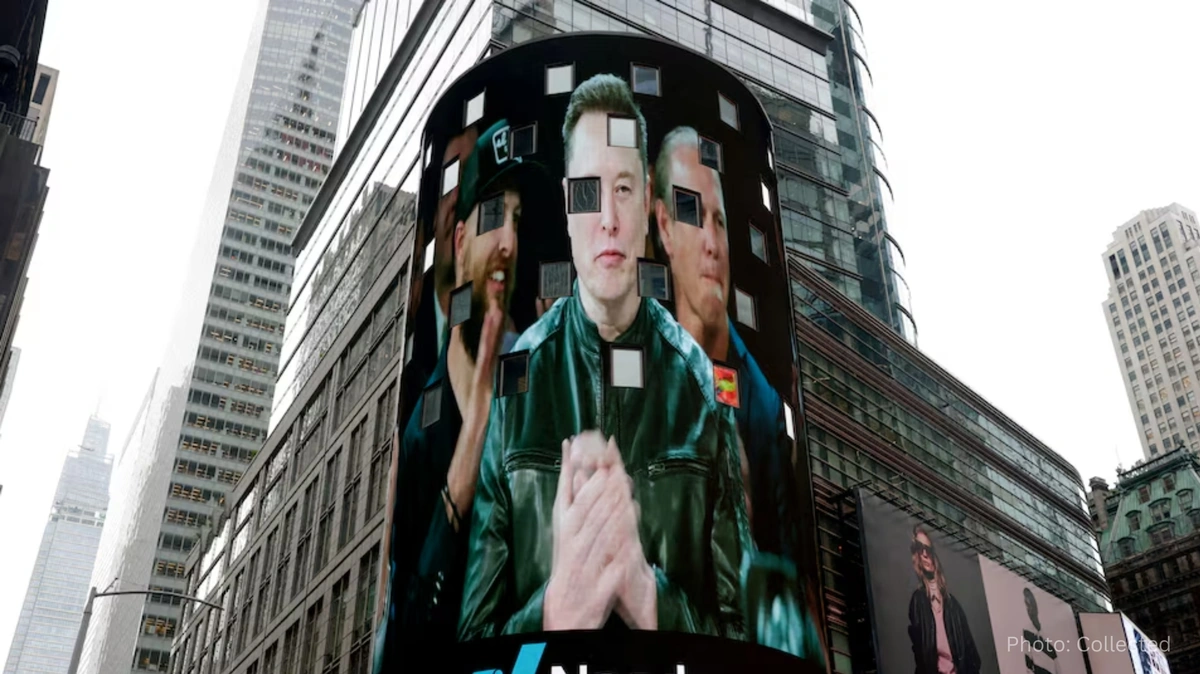
Ahead of SpaceX’s first earnings call as a publicly traded company, retail investors are raising questions that extend far beyond profits, Starlink and artificial intelligence. Popular submissions include requests for more Starship footage, orbital refueling updates, sponsorship ideas and even one asking whether SpaceX could paint its rocket pink.
SpaceX is preparing for its first earnings call as a publicly traded company, but the questions attracting the most attention from retail investors are extending well beyond the company's financial performance and its ambitious plans for the Moon and Mars.
The rocket company has opened an online platform where shareholders can submit and vote on questions ahead of Tuesday's earnings call, which is expected to feature CEO Elon Musk. The system is similar to one used by Tesla, allowing investors to determine which topics receive the most attention.
Among the most popular questions are requests for additional footage of Starship's Human Landing System, the spacecraft being developed to transport astronauts to the Moon as part of NASA's Artemis programme.
Investors have also shown interest in Starship's future capabilities, including when the spacecraft will begin refueling in orbit and when SpaceX expects to demonstrate its ability to catch both the rocket's booster and upper stage.
Some shareholders have also raised more unusual ideas.
One investor asked whether SpaceX could "paint the rocket pink", while another proposed selling sponsorships for individual heat-shield tiles so supporters could have their names sent into space.
SpaceX's recently introduced Shiba Inu mascot, Asteroid, has also attracted investor attention. The company has promoted the mascot with a $35 plush toy, and shareholders asked whether it could eventually play a larger role in education, children's charities and public outreach.
The wide-ranging questions reflect the growing influence of retail investors in SpaceX following its initial public offering. The company allocated roughly 30% of its IPO shares to retail investors, making it one of the largest allocations of its kind in a major US listing.
Despite the enthusiasm surrounding the company's long-term ambitions, SpaceX's shares have fallen by more than half from their intraday peak following the IPO.
Financial questions, however, have attracted comparatively little interest on the shareholder forum. Questions concerning the company's business outlook, profitability and financial performance have generally ranked below those focused on future technology and space exploration.
One question about when SpaceX's artificial intelligence business could begin generating enough revenue to pay for itself was ranked at number 183 as of late Friday afternoon.
Other investors have focused on SpaceX's plans for orbital AI data centres and when the company could begin deploying such infrastructure in space.
The limited attention given to financial questions stands in contrast to recent investor interest in another company led by Musk.
Following Tesla's latest results, shareholders repeatedly questioned Musk about the possibility of a future merger between Tesla and SpaceX. Some of those questions received more than 100 votes.
The proposed combination has attracted far less attention on SpaceX's investor forum. The merger topic appeared only once on Friday morning and had received a single upvote at that time.
The lack of interest came shortly after The Wall Street Journal reported that Tesla executives had been instructed to prepare for a possible separation of the company's China operations ahead of a potential SpaceX merger. Musk denied the report.
While most retail investors appear optimistic about SpaceX's long-term prospects, at least one shareholder questioned whether Musk's own predictions about the future could undermine the case for investing in the company.
Musk has previously suggested that advances in artificial intelligence and robotics could eventually create an economy in which goods and services become extremely inexpensive and money could lose much of its importance.
One investor therefore questioned why shareholders should continue buying stock if money becomes less significant within a decade, as Musk has suggested.
That question had received no votes as of Friday afternoon, with four days remaining before SpaceX was scheduled to release its first quarterly results as a public company.
The unusual mix of questions illustrates the diverse expectations surrounding SpaceX's public-market debut. While the company remains closely associated with reusable rockets, lunar missions and the eventual goal of reaching Mars, investors are increasingly looking toward artificial intelligence, orbital infrastructure, branding and Musk's broader technological vision.
SpaceX's first earnings call is therefore expected to provide investors with an early look not only at the company's financial performance but also at how its ambitious plans are being translated into a long-term business strategy.
Related News



You may like



Tom Holland Says Marvel Has a Plan for the Next Spider-Man
August 1, 2026
Elected News
-
Bangladesh Seeks UN Women Support on Digital Harassment and Women’s Empowerment
-
Bangladesh, Australia Discuss Human Trafficking, Irregular Migration and Rohingya Crisis
-
Bangladesh Plans Internet-Free Access to Mobile Banking and Financial Apps
-
DU to Open Undergraduate Admission Applications on 11 November, Tests Begin 5 December


